
A Quote-Ready RFQ for B2B Drinkware Buyers
How to Prepare a Custom Drinkware RFQ for Bulk Orders
A custom drinkware RFQ is not complete when it names only a cup and quantity. It is complete when the product, decoration, packaging, commercial terms, and release conditions are specific enough for suppliers to price the same job.
Short answer
A quote-ready custom drinkware RFQ defines six connected decisions: the exact product, decoration, variant quantity, packaging hierarchy, quality and market requirements, and commercial release terms.
Packaging should be defined before pricing, not after the cup price is agreed. State the individual pack, units per inner or master carton, dividers, retail box, labels, pallet rules, target market, delivery responsibility, and any EU packaging requirements that apply. If one item is undecided, label it as an option and ask every supplier to price the same alternatives.
Use five gates before asking suppliers to quote
A long inquiry is not necessarily complete. A practical way to judge it is to ask whether another qualified supplier could read it and price the same scope without silently choosing a different lid, finish, carton, delivery term, or approval route.
Lock body, lid, handle, straw, gasket, capacity, materials, weight, and included parts.
Define color, finish, artwork, method, size, location, and acceptable reference.
Set unit pack, carton count, dividers, print, labels, pallets, and target market.
List quantity splits, MOQ questions, destination, delivery term, currency, and payment terms.
Name the sample, artwork, packaging, test, payment, and order approvals that start production.
When a decision is open, do not hide it behind words such as standard, regular, or best price. Write the alternatives and request separate prices, minimums, sample needs, and lead times.
Describe the sellable product, not only the cup body
Start with a product reference, model number, drawing, or physical sample. Then describe every part the buyer will receive: body, lid revision, gasket, handle, straw, boot, brush, spare parts, instructions, and packaging inserts. Capacity alone does not identify a product.
| RFQ field | What to state |
|---|---|
| Body | Product type, capacity, dimensions, shape, wall construction, material by component, finish area, and target finished weight where relevant |
| Closure | Exact lid revision, opening, thread or press fit, gasket, slider, spout, vent, straw path, and leak or splash claim |
| Accessories | Handle, straw, boot, brush, pouch, spare gasket, gift item, and quantity of each |
| Market and use | Target countries, sales channel, intended beverage, care instructions, marketed claims, and applicable age group |
| Reference | Drawing or sample ID, approved revision, measurement method, and which characteristics the reference controls |
If a supplied photo contains a feature that is not required, say so. Otherwise suppliers may quote different structures while all describing them as the same bottle.
Make color, decoration, and accessory splits visible
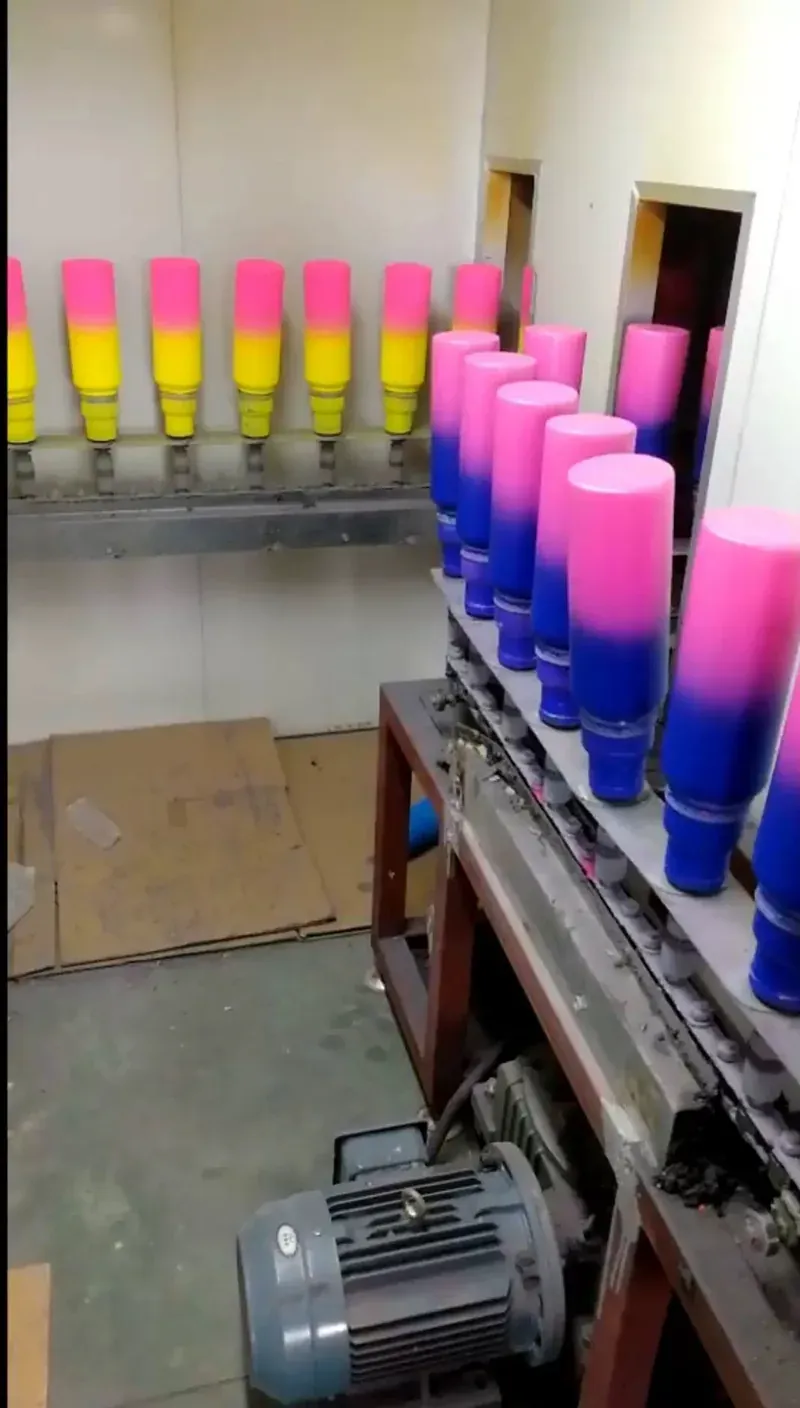
Bluegreen often cannot finalize a reliable price when the customization process is incomplete. Attach the artwork and identify the decoration method, logo dimensions, position, orientation, colors, and durability requirement. If the method is undecided, ask for named alternatives rather than one blended estimate.
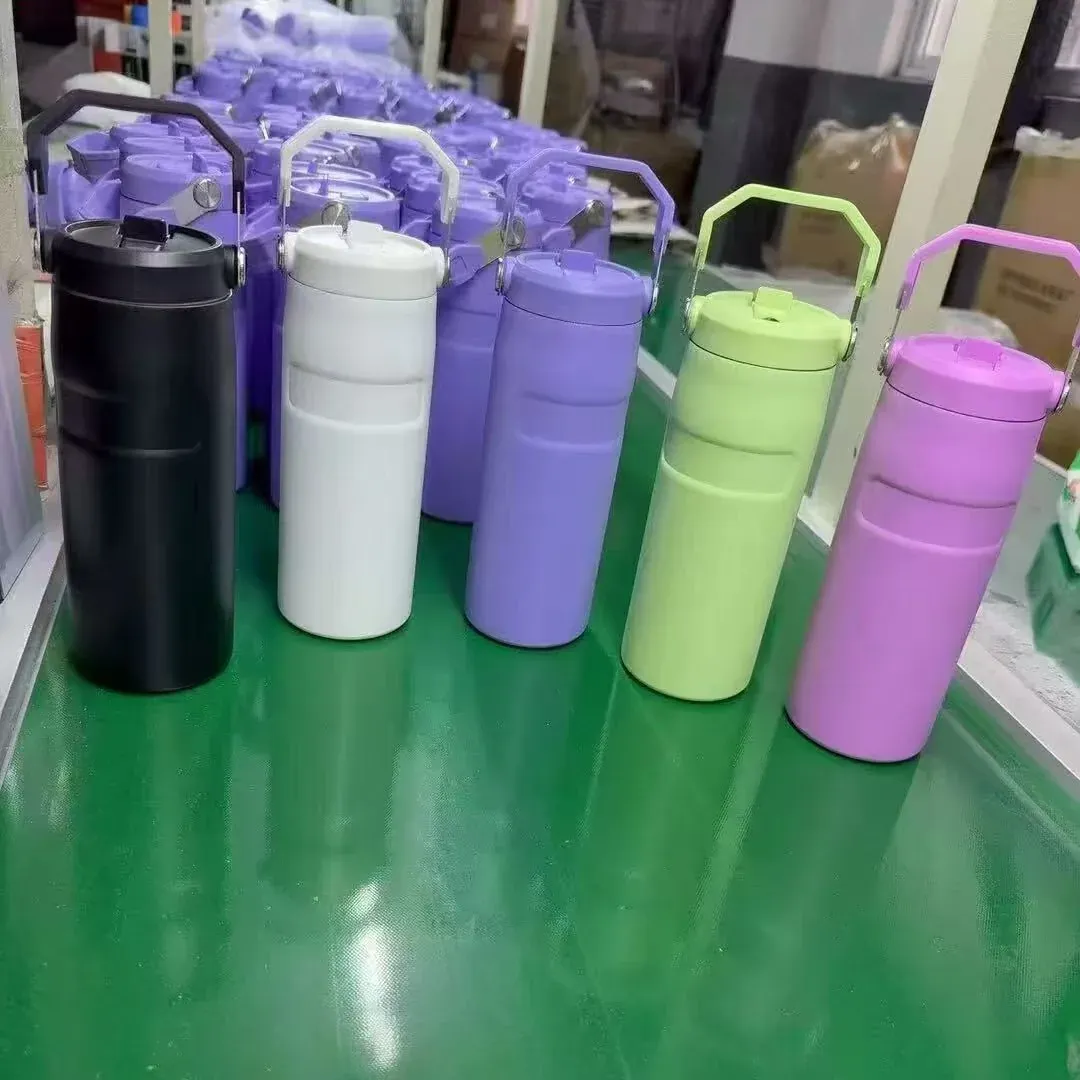
MOQ is model-specific, but color and accessories are often the binding variables. A custom coating color, special lid, or non-standard accessory can create a practical minimum that differs from the headline model MOQ. List quantity by every combination that must be produced or packed separately.
Available model and components
Confirm the exact colors, lid, accessory set, decoration method, and packaging rather than assuming every supplier means the same thing by standard.
Custom color or special process
Color matching, coating batches, fixtures, artwork conversion, samples, or additional controls may add cost and time.
Special accessories
A lid, handle, boot, straw, or other accessory may have its own supplier or molding minimum. Ask which line creates the binding MOQ.
Specify packaging before the supplier locks the price
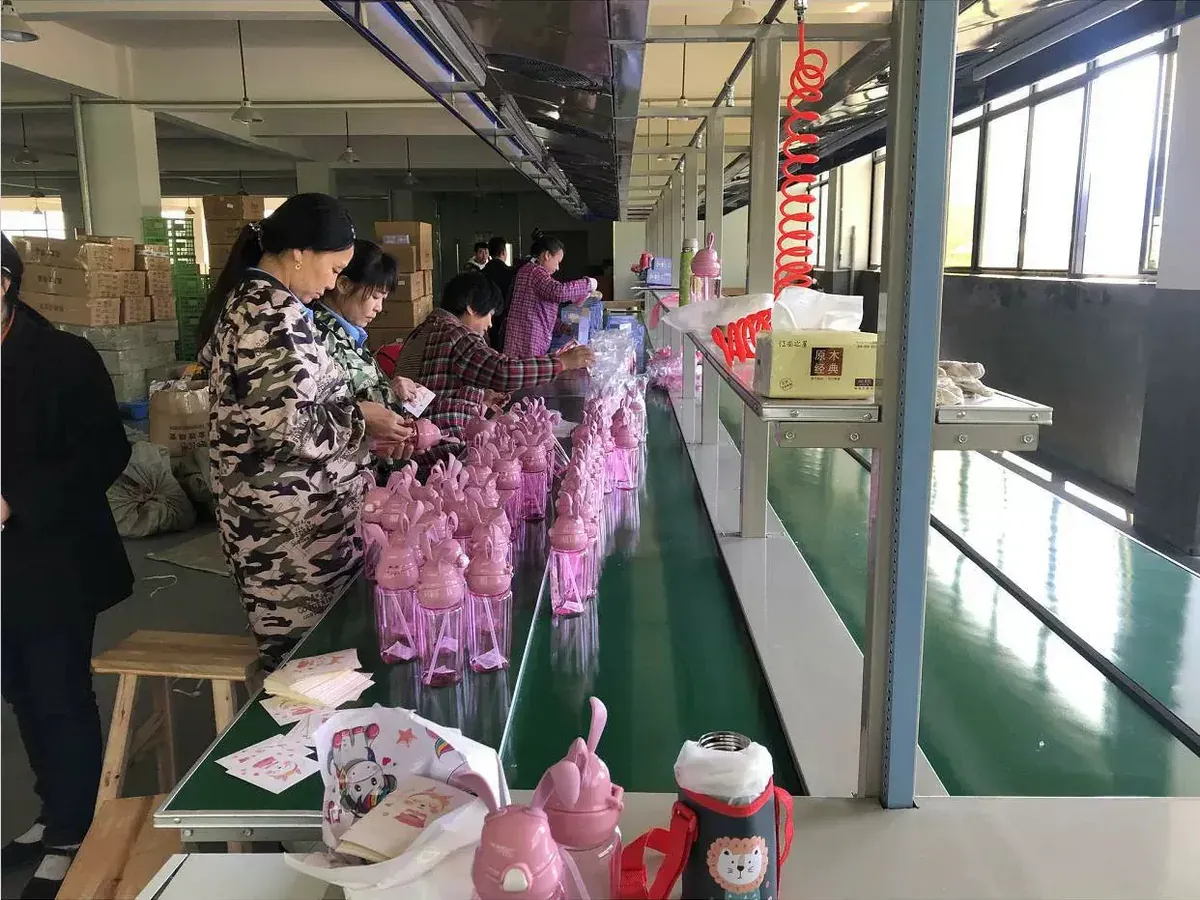
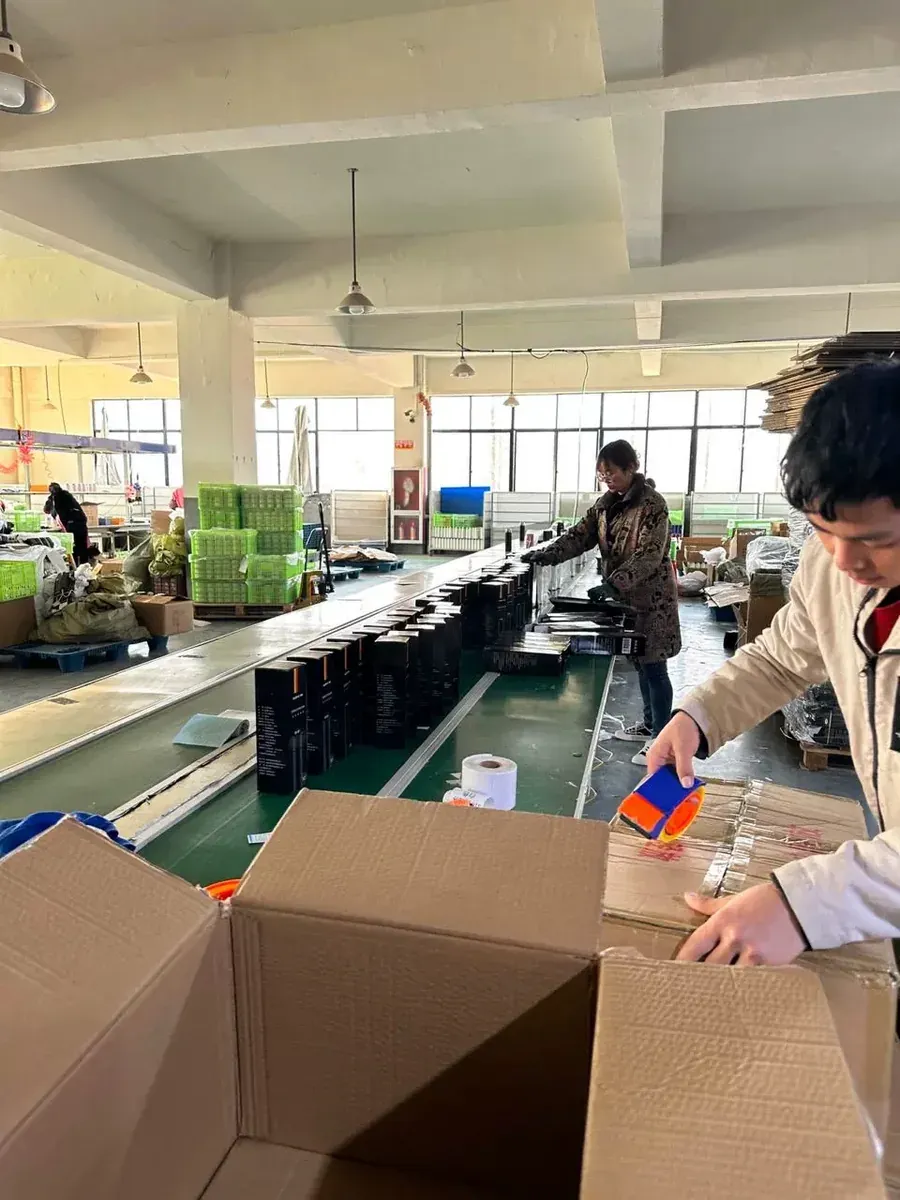
Packaging is not a finishing detail added after the product is quoted. It changes material usage, labor, carton dimensions, loading efficiency, artwork, barcode work, samples, and sometimes minimum order quantities. Define the full hierarchy from the product surface to the transport unit.
| Level | Questions to answer |
|---|---|
| Product protection | Wrap, sleeve, scratch protection, lid position, and accessory placement |
| Individual or retail pack | White box, printed box, gift box, insert, manual, barcode, country marks, languages, and artwork |
| Grouped pack | Units per inner carton, mixed colors, divider style, bundle label, and picking requirement |
| Master carton | Units per carton, divider, carton grade, dimensions, gross weight, marks, closure, and transport test if required |
| Shipping unit | Loose-load or pallet, pallet standard, height and weight limits, container or courier constraints, and destination handling |
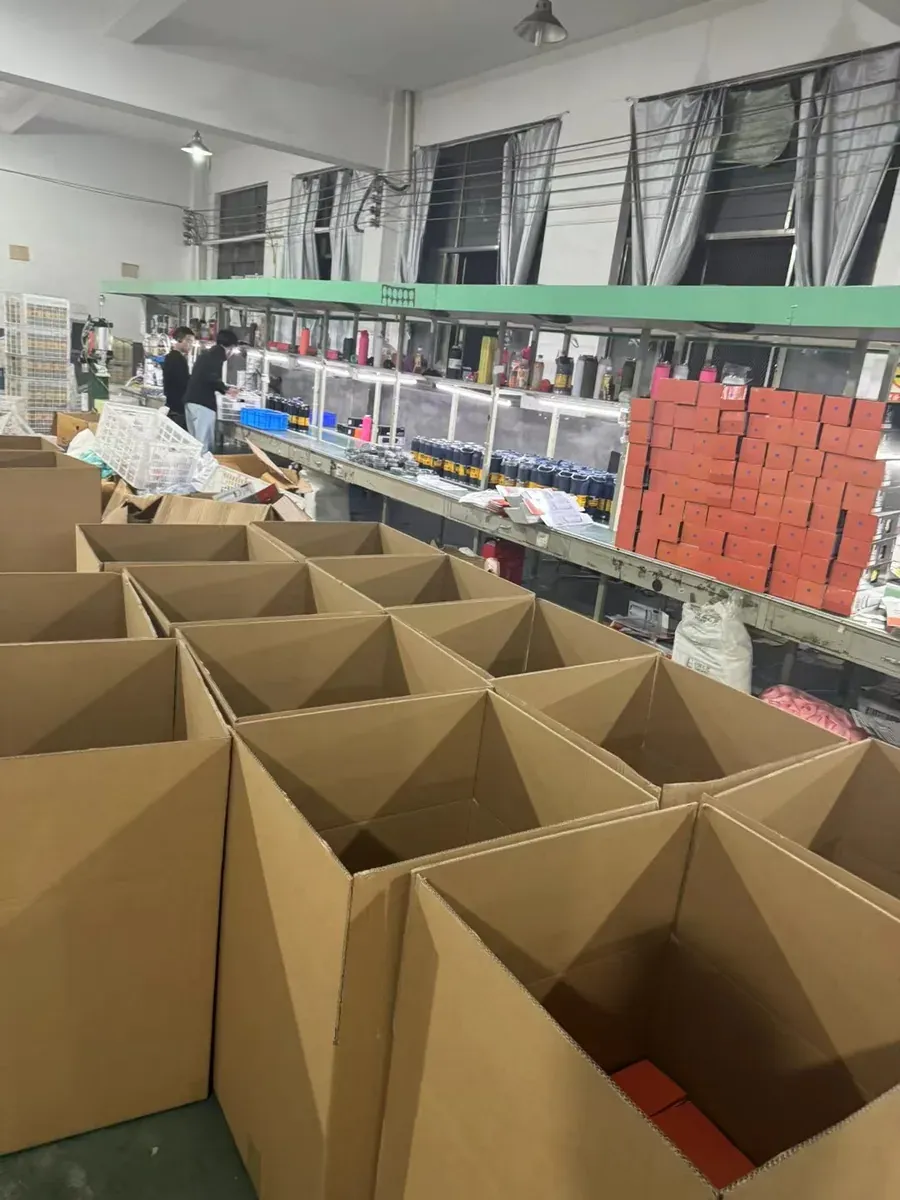
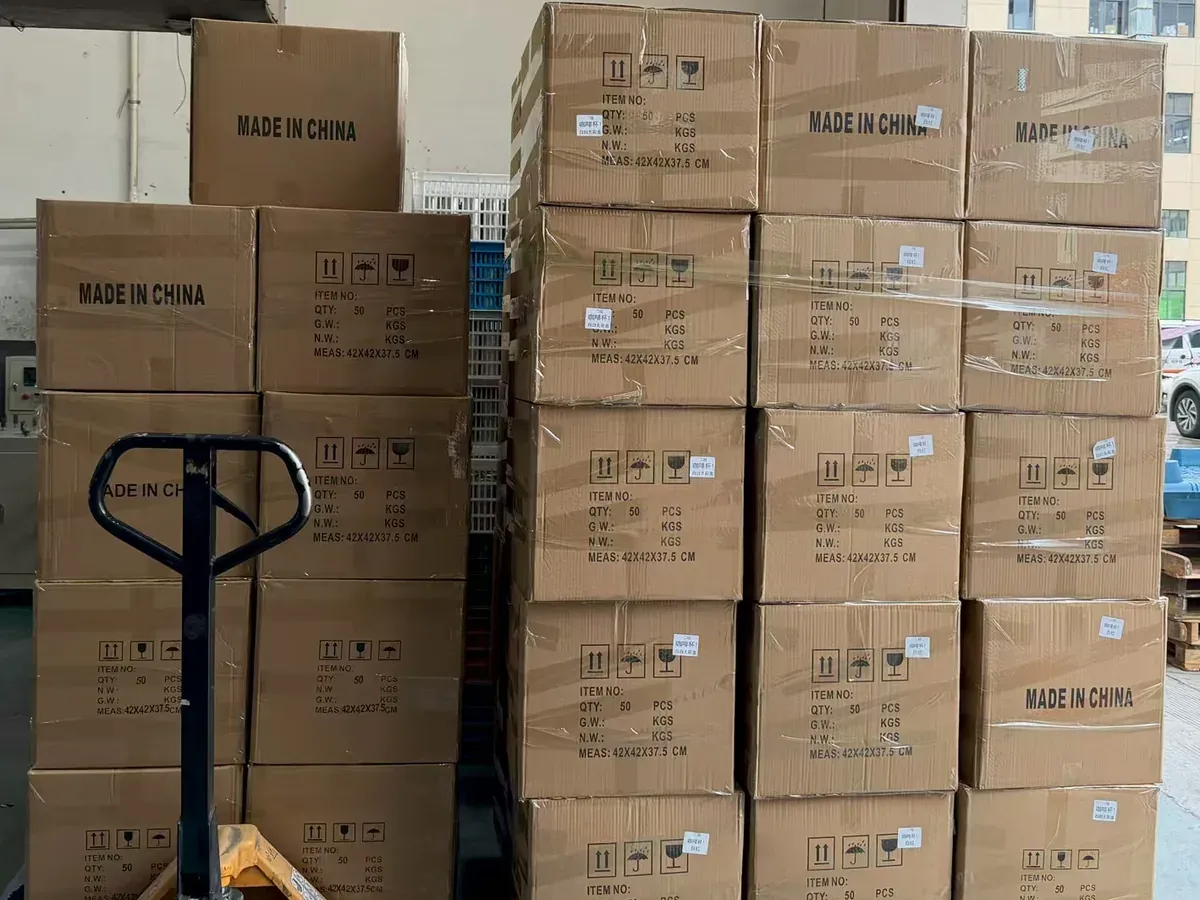
The missing line was “3 units per carton.”
A customer initially requested the drinkware without specifying that three units had to be packed in each carton. When that requirement was added later, custom small cartons made the packaging cost much higher than expected.
The lesson is not that three-pack cartons always cost more. Pack count, carton size, printing, divider, order quantity, and supplier minimums must be priced together before the quotation is final.
For a deeper packaging brief, use the custom drinkware packaging guide.
For EU orders, put PPWR questions into the packaging brief
Regulation (EU) 2025/40 on packaging and packaging waste entered into force on 11 February 2025 and has generally applied since 12 August 2026. It covers packaging regardless of material or origin and sets requirements across packaging sustainability, labeling, and waste management. Different provisions apply on different dates, so identify the market and responsible economic operator rather than writing only “EU compliant packaging.”
Ask the importer, brand, marketplace, or compliance adviser which requirements apply to the proposed sales, grouped, and transport packaging. Then give the factory the decisions it can act on: packaging format, component materials, weights, separability, printing and labels, unnecessary space or material restrictions, documentation, and country-specific instructions.
Bluegreen can price a defined packaging construction and provide agreed manufacturing information. The buyer or its qualified adviser should confirm legal scope, producer responsibilities, registrations, declarations, labels, and market-specific obligations. PPWR-related changes may raise or lower project cost depending on the current pack design; this page does not assign a universal increase.
See the EU PPWR guide for drinkware importers for a separate compliance-planning checklist.
Separate quantity, MOQ, lead time, and delivery assumptions
State quantity per model, capacity, color, logo, lid, accessory set, packaging language, barcode, and carton configuration. A total such as 10,000 pieces is not meaningful if it becomes ten colors, two lids, and four retail-box versions.
Bluegreen's typical production lead time is approximately 7–35 days depending on the product, quantity, customization, approvals, packaging, and confirmed production plan, starting only after the agreed payment condition and final production-order trigger are satisfied. It is not a universal transit-inclusive promise. Ask for sample lead time, production lead time, inspection window, handover point, and the event that starts each clock.
| Line | Required answer |
|---|---|
| Price | Currency, quantity tier, included product and packaging, tax treatment, and validity |
| MOQ | Model MOQ plus separate color, coating, logo, accessory, packaging, or supplier minimum |
| One-time costs | Sample, tooling, fixture, color matching, artwork setup, testing, and packaging development |
| Payment | Deposit, balance, payment method, due event, bank charges, and conditions tied to production or release |
| Delivery | Named Incoterms® 2020 rule and place, destination, freight scope, loading assumption, and cargo handover point |
| Timing | Sample, approval, procurement, production, inspection, packing, and handover milestones with start conditions |
The custom tumbler cost breakdown explains why a low unit price cannot be compared until the responsibility scope matches.
Define evidence and final production order confirmation
A quotation should show what sample, document, test, inspection, and retained reference are included. Broad phrases such as food grade, leakproof, dishwasher safe, or passed inspection need an agreed method, scope, acceptance rule, and reporting requirement.
Before Bluegreen treats a production order as final, all lead-time assumptions, packaging method, and payment terms must be confirmed. The order record should also capture the approved product sample or configuration, artwork and logo size, color, lid, accessories, weight requirement where applicable, quality plan, and buyer-approved changes.
Model, structure, lid, accessories, materials, finish, weight, and physical reference.
File revision, dimensions, position, orientation, colors, method, and acceptable result.
Packaging levels, artwork, pack count, labels, carton marks, and shipping-unit rules.
Samples, tests, inspection method, defect rules, reports, and failure handling.
Quantity splits, price, MOQ, one-time costs, lead times, payment, delivery term, and named place.
The supplier notifies the buyer before a material, component, process, artwork, packaging, or schedule change is accepted.
Use the pre-shipment quality-control guide and the approved-sample change-control guide to define release and change handling.
Copy this custom drinkware RFQ template
Replace every bracketed line. If a field is not decided, write “quote options” and name the alternatives instead of deleting the field.
Project and marketBuyer/company: [ ]Target countries and sales channel: [ ]Intended use and required claims: [ ]Target sample date / cargo handover date: [ ]ProductReference model, drawing, or sample ID: [ ]Capacity, dimensions, structure, and materials by component: [ ]Lid, gasket, handle, straw, boot, and accessories: [ ]Finished-weight requirement, if applicable: [ ]Color and decorationColor reference and finish: [ ]Artwork revision, method, size, position, orientation, and colors: [ ]Durability or appearance test: [ ]Quantity and packagingQuantity by model / color / logo / accessory / packaging version: [ ]Individual pack and retail box: [ ]Units per inner and master carton: [ ]Dividers, labels, barcodes, carton marks, and pallet rules: [ ]EU PPWR or other market instructions supplied by buyer/adviser: [ ]Quality and commercial termsSample and inspection plan: [ ]Required reports or documents: [ ]Price tiers and one-time costs to separate: [ ]Payment terms: [ ]Named Incoterms® 2020 rule and place: [ ]Destination and freight mode: [ ]Final production order confirmation owner: [ ]
Send the completed brief through the Bluegreen customization inquiry form. Bluegreen can then flag missing decisions and quote order-specific MOQ and timing.
Frequently asked questions
What information is most often missing from a custom drinkware RFQ?
Packaging is one of the most frequently missing inputs in Bluegreen's RFQ reviews. State the unit pack, retail box, units per carton, dividers, labels, carton marks, pallet or loading rules, destination, and market requirements.
What is the minimum information needed for a custom tumbler quotation?
Provide the product reference and component configuration, color and decoration, quantity by variant, packaging hierarchy, target market, quality or test needs, destination, delivery term, target date, and payment assumptions. Label open decisions as separately priced options.
Why can packaging change the quoted price so much?
Packaging changes material quantity, labor, printing, inserts, carton dimensions, pack count, loading efficiency, samples, and supplier minimums. In one Bluegreen case, a late three-units-per-carton requirement required custom small cartons and raised packaging cost far above expectation.
What usually determines MOQ for custom drinkware?
MOQ is model-specific. In Bluegreen's experience, color and accessories are often the binding variables because coating batches, molded colors, special lids, handles, boots, straws, or supplied parts may have separate minimums.
Should EU buyers mention PPWR in the RFQ?
Yes, but provide actionable requirements instead of asking only for PPWR-compliant packaging. Identify the EU markets and responsible economic operator, then define packaging formats, component materials and weights, separability, labels, documents, and requirements confirmed by the buyer or its adviser.
When does production lead time start?
The order should state the trigger. At Bluegreen, production scheduling follows final production order confirmation, including the applicable approvals, packaging method, lead-time assumptions, and payment terms. Typical production is about 7–35 days but remains order-specific.
How should buyers compare quotations when some details are undecided?
Give every supplier the same base specification and named alternatives. Require each quotation to list deviations, assumptions, MOQ, samples, one-time charges, production lead time, packaging, and delivery responsibility for each option.
References and further reading
- Regulation (EU) 2025/40 on packaging and packaging waste — Official legal text covering the scope and requirements of the PPWR.
- European Commission: Packaging waste — Official overview and application timeline for Regulation (EU) 2025/40.
- ICC Incoterms® 2020 checklist — Official ICC overview for naming delivery rules and places precisely.
Turn your product idea into one quote-ready RFQ
Send the product reference, lid and accessories, color and logo, quantity splits, packaging hierarchy, target market, quality plan, payment terms, destination, and target date. Open decisions can be priced as clearly named options.
This guide provides general B2B sourcing information, not legal or laboratory advice. Confirm market-specific requirements, test methods, and acceptance criteria with qualified professionals before production.


 English
 German
 French
 Russian
 Spanish
 Japanese
 Korean
 Portuguese
 Ukrainian
 Arabic
 Italian

Leave A Comment