
Sample-to-Production Control for B2B Buyers
Why an Approved Tumbler Sample Is Not Enough: How to Control Changes Before Bulk Production
Turn an approved tumbler sample into a controlled product baseline that purchasing, production, quality, and packaging teams can follow.
Short answer
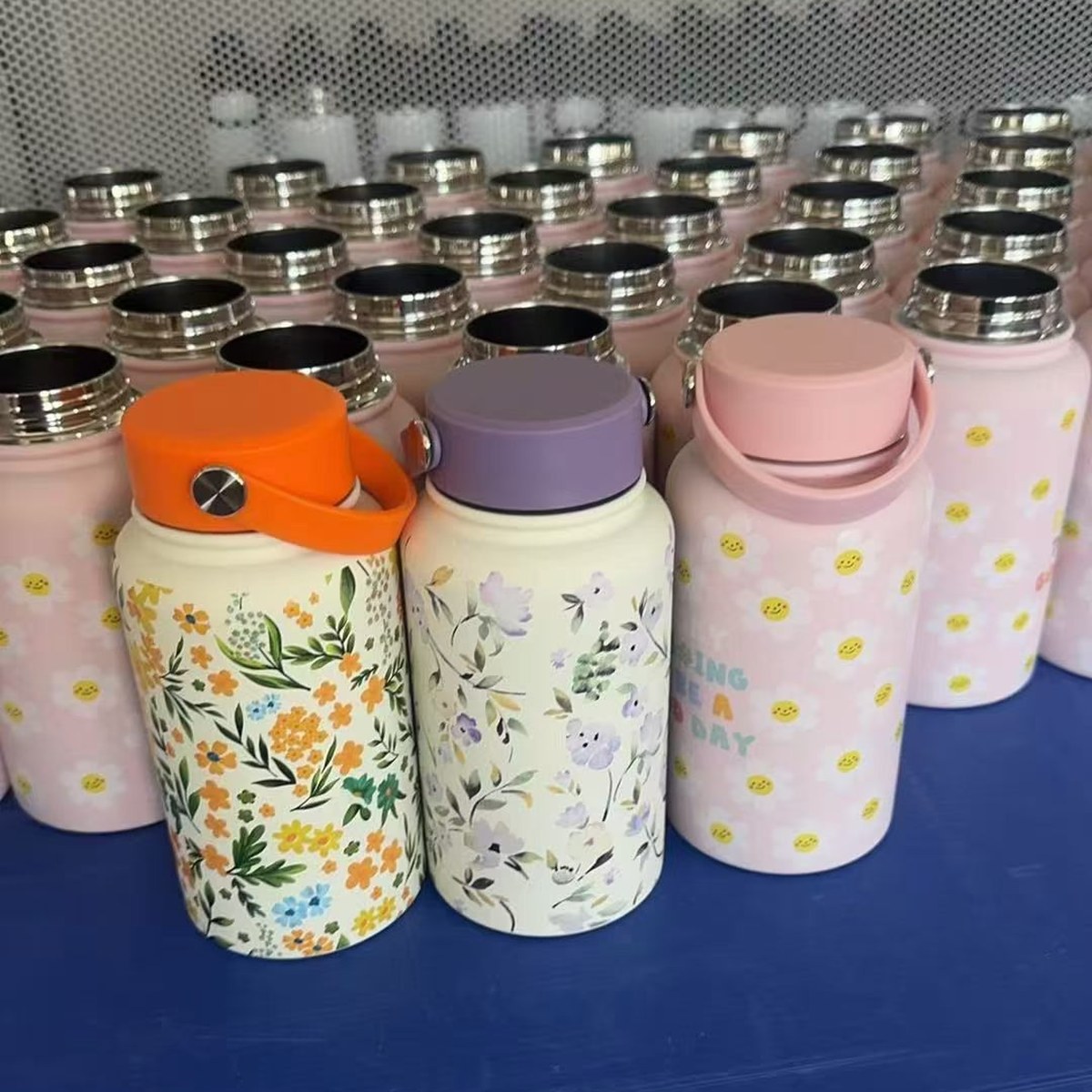
An approved tumbler sample is a reference, not a complete control system. It shows one agreed product state, but bulk production can still drift if the body, lid, gasket, finish, artwork, accessories, packaging, tolerances, and revision status are not recorded separately.
The practical solution is to give the approved configuration a revision ID, link it to controlled specifications and artwork, log every later change, verify the first production units, and use the same baseline during in-process and outgoing checks.
An approved sample is a baseline—not the whole production instruction
A custom tumbler sample can answer important questions: Is the silhouette right? Does the lid fit? Is the logo positioned correctly? Does the finish look acceptable? But the physical object rarely contains every instruction needed to reproduce it consistently at scale.
A sample does not state which artwork file was printed, which color range is acceptable, whether the gasket compound changed, what carton divider was approved, or which tolerance applies when production units differ slightly from the reference. It also cannot show whether a later email, drawing, or accessory revision superseded the object on the shelf.
Every team should be able to answer three questions: Which version is approved? What changed after approval? Which production lot first used the change?
ISO guidance on documented information recognizes that a record can take different forms, including a photograph or a master sample. That supports using a physical reference, but it does not make the physical sample self-explanatory. The sample still needs an identifier and links to the records that define the approved product.
Color is one part of this baseline. If appearance is the main risk, use the process in our custom drinkware color sample approval guide together with the broader component and revision controls below.
The four references that should agree before bulk production
Treat sample approval as a set of linked references rather than a single courier parcel. If one reference changes, the team should know whether the others must change too.
| Reference | What it controls | Typical identifier | Main risk if missing |
|---|---|---|---|
| Product specification | Body, materials, dimensions, components, finish, accessories, packaging, and acceptance criteria | Model + specification revision | The sample is copied by appearance while hidden requirements are lost |
| Artwork and color records | Logo file, print method, size, position, orientation, color target, and approved visual range | Artwork revision + color reference | Production uses an outdated logo or an unapproved color interpretation |
| Physical approved sample | The assembled look, feel, fit, and interaction of the approved configuration | Sample ID + label + approval date | Teams compare with different or unlabeled samples |
| Change and approval log | What changed, why, impact, validation, approval, and effective order or lot | Change ID + effective revision | A valid change is implemented without everyone knowing where it starts |
These references have different jobs. A drawing may define a dimension more precisely than a physical sample. The physical sample may communicate gloss, grip, and visual balance better than a line item. The change log establishes which combination is current.
A useful approved sample is not merely the cup everyone remembers. It is a labeled product state that points to the exact records production must use.Practical change-control principle
What to record on an approved tumbler sample sheet
The record should be detailed enough for a buyer, supplier, inspector, and replacement team member to identify the same configuration. It does not need to repeat every engineering drawing, but it should point to each controlled source.
| Record group | Fields to capture | Why it matters |
|---|---|---|
| Identity | Buyer, project, PO or RFQ, product model, sample ID, specification revision, approval date | Prevents a sample from being reused for the wrong project or revision |
| Body | Material, nominal capacity, finished dimensions, target weight or approved range, rim and base structure | Separates similar-looking bodies that have different construction |
| Components | Lid, handle, gasket, straw, stopper, thread or fit reference, and component colors | Makes mixed or substituted components visible |
| Surface and color | Finish system, texture or gloss, approved color reference or range, masking areas | Defines appearance beyond a vague color name |
| Decoration | Artwork filename and revision, method, size, position, orientation, print colors, and treatment limits | Stops old files or positions from returning during bulk production |
| Accessories | Included straw, brush, spare seals, manual, labels, barcode, and set quantity | Protects the complete sellable configuration |
| Packaging | Individual pack, insert, divider, gift box, master carton, pack count, labels, and approved artwork | Links product approval to the delivered retail or e-commerce pack |
| Acceptance | Buyer-approved tolerances, visual limits, functional checks, test or document references | Gives inspection a defined basis instead of an undefined match |
| Custody | Who retains samples, storage location, label photographs, condition, and replacement rule | Keeps both parties aligned when the project lasts for months |
| Approval | Buyer and supplier approvers, date, comments, exceptions, and effective revision | Shows exactly what was accepted and what remained open |
Photograph the sample label and the assembled product from consistent angles. If a lid, straw, gift box, or spare part is approved separately, record whether it belongs to the same sample set. Avoid writing only “OK” in a chat message; approval should identify the object and revision being accepted.
Do not invent a universal tolerance from the master sample. Define measurable limits in the specification where a visual side-by-side comparison is not enough.
Which changes need reapproval after the sample is approved?
Not every change requires a new courier sample, but every relevant change should be recorded and assessed. The level of reapproval should follow the effect on appearance, fit, function, compliance, packaging, cost, and lead time.
| Change type | Examples | Minimum review | Possible approval evidence |
|---|---|---|---|
| Administrative | Correcting a document typo without changing the product | Confirm that no product or acceptance requirement changes | Revised document record; physical resampling may be unnecessary |
| Visual | Color target, gloss, texture, logo size, artwork, or print position | Review appearance, process capability, cost, and schedule impact | Updated artwork, color chip, decorated sample, or buyer-approved production image as agreed |
| Fit or function | Lid, gasket, straw, handle, thread, stopper, or body dimension | Recheck affected fit, leak-related function, usability, packaging, and tooling implications | Updated component or assembled sample plus defined checks |
| Material or compliance | Food-contact material, coating system, pigment, adhesive, or supplier source | Review target-market requirements and affected documents or testing | Updated declaration, report, specification, and sample when applicable |
| Packaging or logistics | Gift box, divider, unit pack, carton count, barcode, or pack orientation | Review protection, retail presentation, carton data, labels, and logistics impact | Packed sample, packaging proof, carton specification, or trial result |
| Commercial only | Quantity or delivery split with no product change | Confirm whether production, packing, or verification plans are affected | Revised PO or production plan |
A gasket-material change and an artwork-file correction do not need the same evidence. Define the approval path by risk instead of demanding a new physical sample for every document edit—or accepting every change by email alone.
If a change alters food-contact materials or the target market, review the applicable documentation before production. Our food-contact materials guide for custom drinkware explains what importers should confirm without treating one report as proof for every product configuration.
A seven-step sample-to-production change-control workflow
- Freeze the approval scope. List the body, lid, gasket, handle, straw, finish, decoration, accessories, individual pack, and master-carton configuration covered by the approval.
- Assign identifiers. Give the specification, artwork, packaging record, and physical sample clear revision or sample IDs. Put the ID on the object or tamper-evident sample bag—not only in an email subject line.
- Create the approved sample record. Photograph the sample and label, link the relevant files, record exceptions, and identify who holds each reference sample.
- Confirm acceptance criteria. Define which characteristics are measured, visually compared, functionally checked, or supported by documents. Record buyer-approved ranges instead of assuming exact replication where normal process variation exists.
- Log every post-approval proposal. Record the reason, affected parts and files, risk review, required validation, approver, and effective PO or lot before implementation.
- Verify first production units. Compare early bulk units with the current specification, artwork, physical reference, and packaging plan while correction is still practical.
- Carry the baseline into inspection. Ensure in-process and outgoing checks use the same current revision, and retain the agreed production sample and records for the project-defined period.
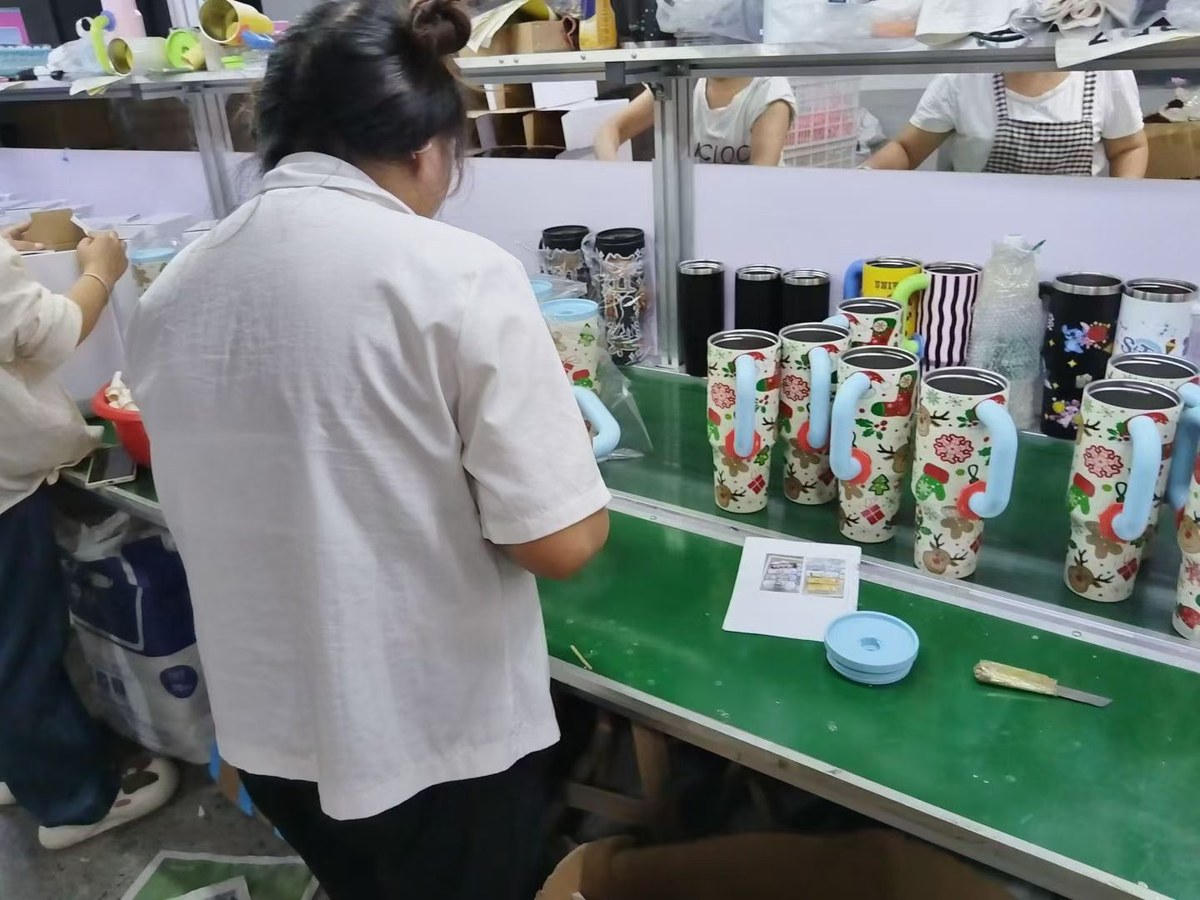
The workflow should identify decision owners. Purchasing may control the PO, the buyer's design team may approve artwork, engineering or product teams may approve structure, and quality teams may define verification. A change is not fully controlled when one department approves it but the effective revision never reaches production or inspection.
Use a sample-to-production change log that identifies the effective lot
The change log is the bridge between the sample everyone approved and the units that will actually ship. A short but complete log is more useful than a long message history spread across email and chat.
The effective-lot field is essential. Without it, a buyer may approve a change yet be unable to tell whether the current shipment should contain the old or new configuration. The obsolete-version field prevents an old logo file, lid color, or packaging label from returning in a later repeat order.
Include the same revision logic in the purchasing package. The custom drinkware RFQ checklist helps teams capture the initial commercial and technical scope before it becomes a production baseline.
What to verify on the first production units
A pre-production sample may use sample-room equipment, hand-fitted parts, or a limited decoration setup. Early production units reveal whether the approved configuration has transferred to the actual materials, tooling, line settings, assembly sequence, and packaging method.
- Correct body, lid, handle, gasket, straw, and accessory revisions
- Material and finish references aligned with the approved specification
- Logo file, method, orientation, dimensions, location, and visible quality
- Buyer-approved color or appearance range under the agreed viewing method
- Component fit and the project-defined functional checks
- Labels, barcodes, manuals, warnings, and market-specific packaging elements
- Individual pack, divider, gift box, master-carton count, and carton marks
- Any approved deviation or change correctly linked to the effective lot
Record the result and the units reviewed. If a difference is found, identify whether the specification, approved sample, production unit, or comparison method is wrong before authorizing the run to continue. Do not silently update the approved sample to match an unexplained production difference.
Bluegreen's broader custom drinkware quality-control guide explains why inspection planning should begin before shipping, not after cartons are closed.
Why an AQL inspection does not replace the approved product baseline
Acceptance sampling and product definition solve different problems. ISO 2859-1 describes lot-by-lot sampling procedures indexed by acceptance quality limit, while ISO 28590 provides general guidance for acceptance sampling by attributes. A sampling plan helps decide how a lot will be evaluated; it does not decide which lid revision, logo file, color target, or packaging configuration the buyer intended.
That distinction is an inference from the standards' different purposes. Inspectors still need current specifications, approved references, defect definitions, and acceptance criteria. Otherwise, a carefully selected random sample can be compared against the wrong product version.
Version control answers “What should this product be?” Sampling and inspection answer “How will this lot be checked against that requirement?”
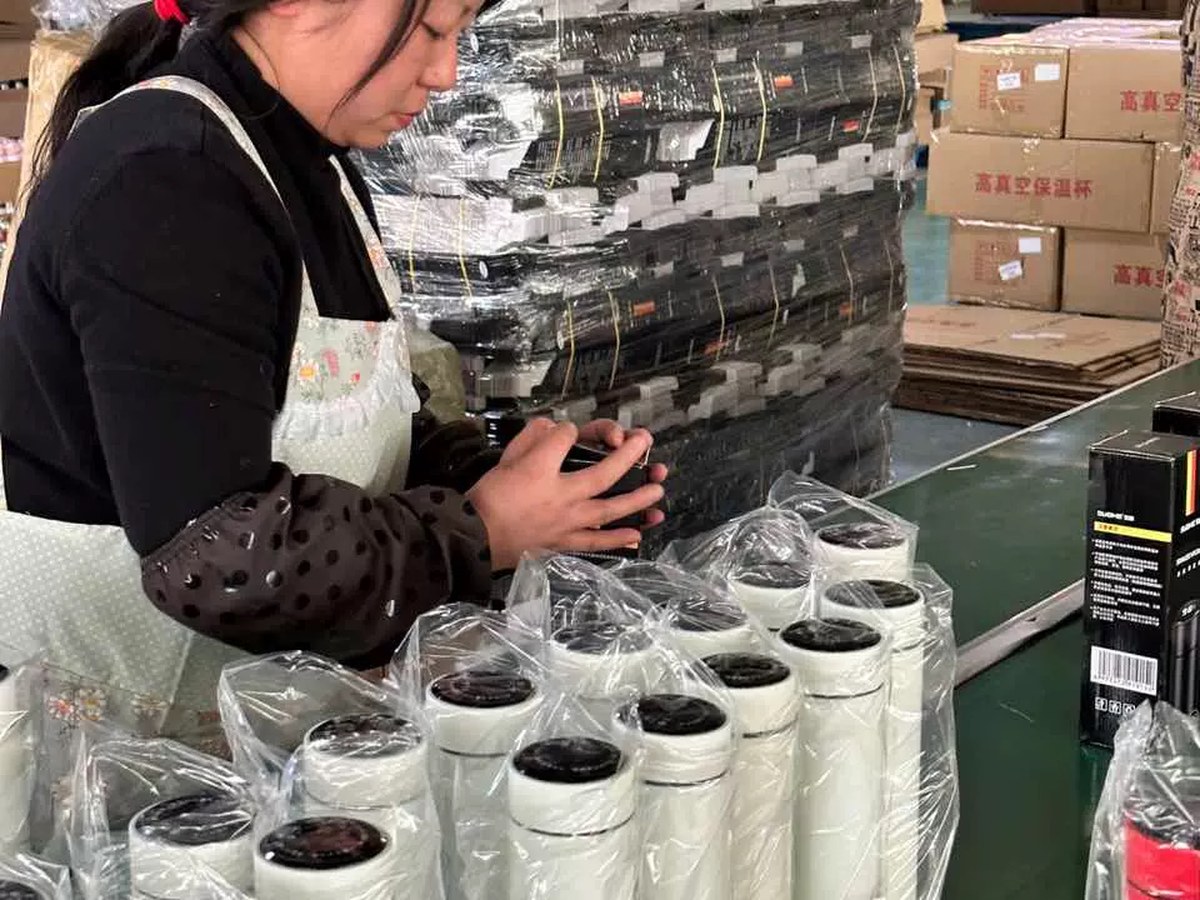
The outgoing inspection package should therefore identify the current revision and any approved deviations, not merely state an AQL. The inspection criteria should also match the risk and contract; this article does not prescribe a universal sample size, AQL, or defect classification.
Eight common sample-approval failures to prevent
- Approving “the sample” without a sample ID, specification revision, or approval date
- Approving a blank body while assuming the final decoration, lid, and packaging are included
- Keeping different reference samples at the buyer, supplier, and inspection company
- Allowing an artwork file or color instruction in chat to override the controlled record
- Changing a lid, gasket, handle, or accessory without checking the assembled product
- Updating the product but leaving old labels, packaging files, or inspection criteria at the point of use
- Using an AQL plan without defining the approved configuration and defect criteria
- Approving a packaging change without reviewing protection, carton information, barcode, or retail presentation
Most of these failures are not caused by a lack of samples. They come from ambiguity about identity, scope, ownership, or effective revision. A one-page record and disciplined change log can remove much of that ambiguity before it reaches bulk production.
How Bluegreen supports sample and production alignment
Bluegreen manufactures stainless steel, plastic, and titanium drinkware and can review the product structure together with decoration, accessories, packaging, and production requirements. The practical starting point is a complete project record: model, target market, intended use, component set, artwork, color, packaging, quantity, acceptance criteria, and who can approve later changes.
MOQ is model-specific. Typical production lead time is approximately 7–35 days depending on product, quantity, customization, sample or validation requirements, and the confirmed production plan. A change made after sample approval can affect the schedule, so its cost and timing should be confirmed rather than treated as universally included.
For a new project, review Bluegreen's custom drinkware process. Then send the current files and explicitly state which elements are already approved, which remain open, and what evidence you need before bulk production.
Frequently asked questions
What is an approved or golden tumbler sample?
It is a physical reference representing an agreed product configuration at a specific revision. “Golden sample” is a common informal term, but the useful control is the label and linked record: product ID, components, finish, artwork, packaging scope, approvers, date, and effective revision.
Is a physical approved sample enough for bulk production?
No. A physical sample communicates appearance, assembly, and feel, but it cannot reliably define every material, dimension, tolerance, artwork filename, accessory, packaging detail, or later change. Link it to controlled specifications, artwork, acceptance criteria, and a change log.
Which changes require a new tumbler sample or reapproval?
Base the decision on impact. Visual, fit, function, food-contact material, compliance, or packaging changes often need updated evidence and buyer approval. A document correction with no product effect may only need a controlled record. Agree the route before implementing the change.
Who should keep the approved master sample?
The buyer and manufacturer should agree who retains controlled reference samples and how each is labeled, photographed, stored, and replaced. For higher-risk projects, both parties may keep matching samples, while inspectors receive the current records or an agreed reference.
Does an AQL inspection replace an approved sample?
No. An AQL-based sampling plan helps evaluate a production lot under defined criteria. It does not define the intended product version. Inspectors still need the current specification, artwork, approved reference, defect definitions, and any approved deviations.
How long should an approved tumbler sample be retained?
There is no universal period for every project. Define retention according to production duration, repeat-order plans, complaint or warranty exposure, legal and customer requirements, sample stability, and contract terms. Record the period and the disposition or replacement rule.
References and further reading
- ISO 10007:2017 — Quality management — Guidelines for configuration management — Provides lifecycle guidance for identifying and controlling product configuration information and change status.
- Guidance on the requirements for Documented Information of ISO 9001:2015 — Explains forms of documented information and includes photographs and master samples among possible media.
- ISO 2859-1:2026 — Sampling procedures for inspection by attributes — Describes AQL-indexed lot-by-lot acceptance sampling procedures by attributes.
- ISO 28590:2017 — Sampling procedures for inspection by attributes — Introduction — Provides general guidance and context for selecting acceptance-sampling systems by attributes.
Send the complete sample record—not only a product photo.
Share the model, components, artwork, color, packaging, target market, quantity, current revision, and required approvals. Bluegreen can review the project scope before bulk production.
This guide provides general B2B sourcing information, not legal or laboratory advice. Confirm market-specific requirements, test methods, and acceptance criteria with qualified professionals before production.


 English
 German
 French
 Russian
 Spanish
 Japanese
 Korean
 Portuguese
 Ukrainian
 Arabic
 Italian

Leave A Comment