
EU BPA Transition for Drinkware
EU BPA Ban 2026: What Drinkware Importers Must Check After 20 July
20 July 2026 is an important transition point, but it does not mean every BPA-related article follows one identical deadline. Repeat-use drinkware needs a product- and role-specific review.

Short answer
Under Commission Regulation (EU) 2024/3190, as corrected by Regulation (EU) 2026/250, 20 July 2026 is the general deadline for first placing certain non-compliant single-use and repeat-use final food-contact articles manufactured using BPA on the market.
There are specific derogations and later dates. Repeat-use articles first placed on the market under the transition may remain until 20 January 2029 at the latest. Importers must classify the exact article, verify current legal text, and build a component-level file rather than applying one date to every cup.
What the EU BPA regulation changed
Regulation (EU) 2024/3190 restricts the use of BPA and certain other hazardous bisphenols or derivatives in specified food-contact materials and articles, with narrow derogations and conditions. It amends the plastics regime and repeals Regulation (EU) 2018/213.
Regulation (EU) 2026/250 corrected parts of the original text, including transitional wording and analytical-method provisions. Compliance files and articles should cite the corrected framework, not rely only on summaries published before February 2026.
Transition dates drinkware importers should separate
| Article type | General or special transition | Importer action |
|---|---|---|
| Single-use final food-contact articles | General first-placement deadline: 20 July 2026 | Confirm whether the exact article falls within a specific derogation. |
| Specified single-use derogations | Certain preserved-food articles and exterior metal coatings: 20 January 2028 under stated conditions | Do not assume this applies to reusable drinkware. |
| Repeat-use final food-contact articles | General first-placement deadline: 20 July 2026 | Review lids, liners, coatings, and all repeat-use components. |
| Specified professional repeat-use equipment | First placement may continue to 20 January 2028 under the derogation | Confirm whether the product actually qualifies as professional equipment. |
| Transitioned repeat-use articles | May remain on the market until 20 January 2029 at the latest | Keep first-placement and batch evidence; do not use the date as permission for new non-compliant production. |
“First placed on the market” and “remain on the market” are different legal concepts. Document production, import, first placement, distribution, and stock status with EU counsel or a qualified compliance adviser.
Audit the complete drinkware component map
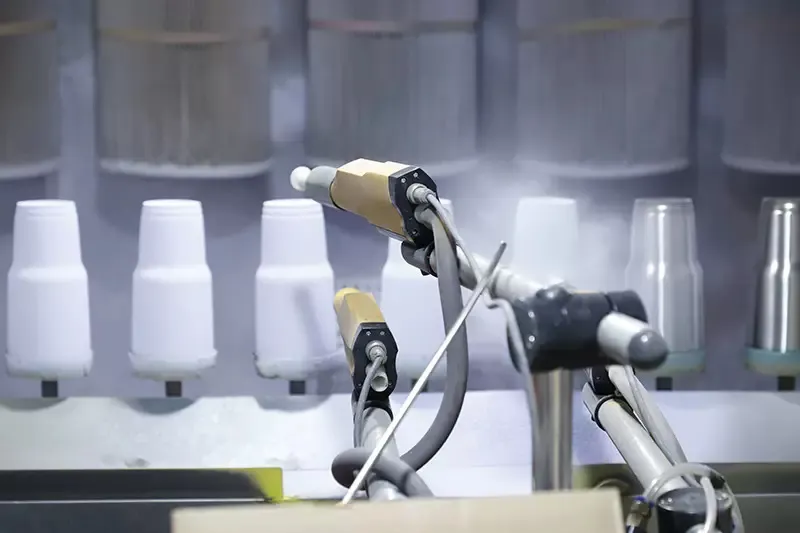
Do not review only a transparent plastic body or polycarbonate item. BPA may be relevant to certain plastics, coatings, varnishes, adhesives, printing inks, ion-exchange resins, rubbers, and other materials within the Regulation’s scope. Map the exact final article and suppliers.
Metal layers, plastic body, interior coating, rim, and any contact lining.
Housing, slider, spout, straw, valve, gasket, vent, and internal insert.
Ink, coating, adhesive, sealant, marking, and manufacturing aids.
Repeat or single use, beverage, temperature, time, cleaning, and foreseeable contact.
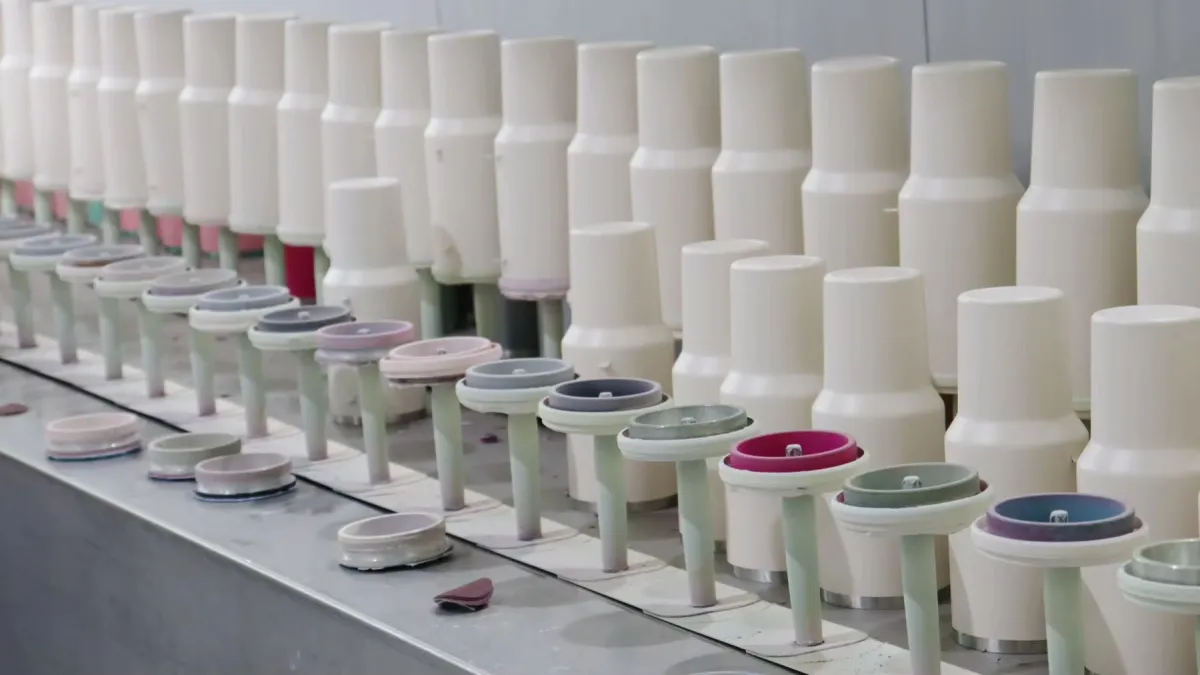
Use the broader food-contact materials checklist to connect BPA review with the complete finished-article file.
Documents to request before approving production
- Exact BOM and supplier list: material and component identity, color, formulation or grade, supplier, site, and revision.
- Declarations: product- and material-specific statements citing the applicable current EU framework and intended use.
- Supporting documentation: composition, risk assessment, analytical or migration support, conditions, and lawful derogation where claimed.
- Test reports: sample identity, method, detection or migration limits, laboratory, results, and connection to the finished SKU.
- GMP and traceability: receiving, segregation, production control, lot records, changes, nonconformance, and retained samples.
A supplier statement saying only “BPA free” is not enough. Ask which components it covers, how the conclusion was reached, and which product, market, use condition, and production dates are included. Connect the checks to the order quality-control plan.
Separate legal compliance from a marketing claim
A product may need to comply with the Regulation without using “BPA-free” as a consumer claim. If the brand uses the claim, define its component scope and substantiation so it does not imply the absence of every bisphenol or every hazardous substance.
Regulation (EU) 2026/250 includes corrected rules for methods used to verify absence or release. The responsible party and laboratory should select applicable extraction or migration methods, detection limits, sample preparation, and conditions based on the legal and product scope. Do not copy a method from an unrelated bottle or one component report.
The key question is not “Do you have a BPA-free report?” It is “Does the current evidence cover this final SKU, every relevant component, its intended use, and the corrected EU rules?”
Control changes and transitional stock
| Control point | Required record |
|---|---|
| Material or supplier change | Affected component, old/new identity, reason, date, documents, assessment, and approval |
| Production and import lot | Manufacture date, site, component lots, finished lot, import entry, and carton traceability |
| First placement | Economic operator, Member State, date, invoice or distribution record, and article identity |
| Existing stock | Quantity, location, legal transition basis, sell-through plan, and deadline |
| Corrective action | Containment, authority advice, customer notice, withdrawal or recall decision, and closure |
Keep old and new components segregated. Do not mix transitional and newly compliant stock under one undocumented SKU or report. Update the listing, packaging, declaration, and test file when the product revision changes.
BPA review fields for a custom drinkware RFQ
Send the target EU markets, exact product and component map, materials and suppliers, repeated-use conditions, temperature and beverages, claims, required declarations and supporting tests, change control, quantity, packaging, and delivery timeline through Bluegreen’s customization form. The EU importer should confirm the final legal scope.
Frequently asked questions
Did the EU ban all BPA-containing drinkware on 20 July 2026?
The corrected Regulation sets 20 July 2026 as a general first-placement deadline for certain non-compliant single-use and repeat-use final articles manufactured using BPA, but specific derogations and later sell-through provisions exist.
Can repeat-use drinkware placed before the deadline stay on the EU market?
Repeat-use final articles first placed on the market under the applicable transitional provisions may remain on the market until 20 January 2029 at the latest. Keep evidence of article identity and first placement.
Does a BPA-free resin certificate cover the finished bottle?
Not automatically. The final bottle may include lids, gaskets, coatings, inks, adhesives, valves, straws, and other components. The evidence must match all relevant materials, the finished SKU, intended use, market, and current rules.
Are stainless steel bottles outside the BPA review?
Not necessarily. The metal body may not be the relevant source, but plastic lids, liners, coatings, varnishes, adhesives, inks, gaskets, or other components may require review.
Who should decide whether a derogation applies?
The responsible EU economic operator should review the exact legal text and product facts with qualified regulatory counsel or a competent adviser. A factory should provide accurate component, material, production, and traceability information.
References and further reading
- Commission Regulation (EU) 2024/3190 — Official BPA and bisphenols Regulation.
- Commission Regulation (EU) 2026/250 — Official correction, including transitional and analytical-method changes.
- European Commission — Food-contact materials legislation — Official current legislation index.
Audit every component before using a BPA-free claim
Send the EU markets, exact product structure, materials, suppliers, intended use, claims, documents, test needs, changes, quantity, packaging, and delivery date.
This guide provides general B2B sourcing information, not legal or laboratory advice. Confirm market-specific requirements, test methods, and acceptance criteria with qualified professionals before production.





 English
 German
 French
 Russian
 Spanish
 Japanese
 Korean
 Portuguese
 Ukrainian
 Arabic
 Italian

Leave A Comment