
Wholesale Kids Cup Sourcing Guide
Custom Kids Cups Wholesale: What Buyers Should Confirm
“Kids cup” is not one structure or one compliance category. Define the age group, complete product, intended use, market, claims, and test scope before choosing the model or artwork.
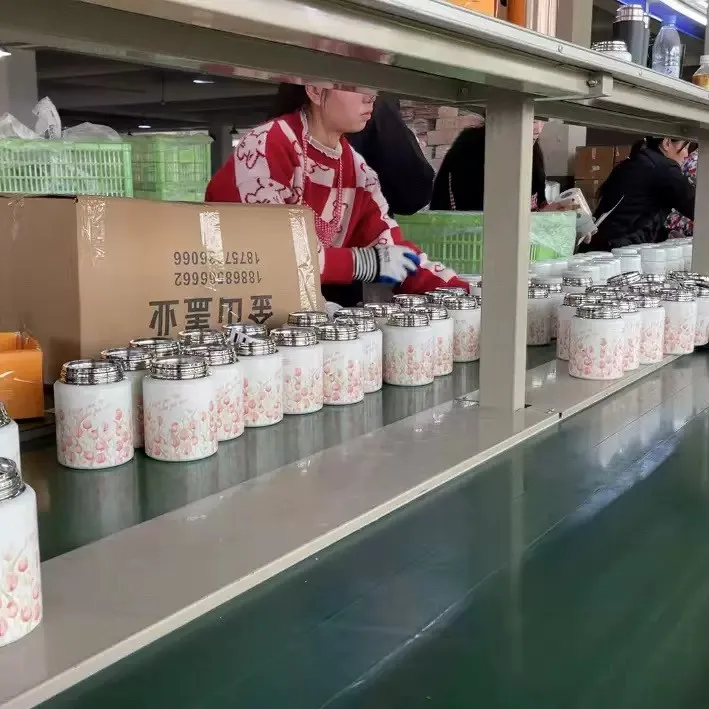
Short answer
Before ordering custom kids cups wholesale, define the intended age, complete product structure, beverage and temperature, lid and straw functions, materials, decoration, packaging, target-market rules, testing, traceability, and claims.
Do not apply a generic “BPA-free” report or adult-tumbler test plan to a children’s SKU. The importer or brand must determine applicable food-contact and children’s product requirements for the exact product and market.
Define age, use, and sales market first
Age affects foreseeable behavior, product safety, instructions, warnings, size, weight, opening force, small-component risk, and applicable legal rules. State whether the item is primarily intended for children and the specific age range—not only “kids.”
| Decision | Questions to answer |
|---|---|
| Age | Primary intended age, supervision, motor skills, chewing or mouthing, and foreseeable misuse |
| Beverage | Water, milk, juice, hot or cold use, carbonation, contact time, and cleaning |
| Setting | Home, school, travel, sports, gift, retail, e-commerce, or promotional use |
| Market | Countries, importer, responsible person, labeling languages, channel, and applicable advice |
| Claims | Leakproof, spill-resistant, insulated, dishwasher safe, BPA-free, or age-related statements |
Lock the complete kids cup structure
Create a component map for the body, lid, handle, straw or spout only when present, gasket, vent, valve, base, boot, decorative parts, fasteners, and included accessories. Record how each part attaches and whether it can detach during intended use, cleaning, drop, impact, or foreseeable misuse.
Material, wall construction, capacity, weight, rim, base, and temperature limit.
Exact opening modes, thread or fit, gasket, vent, valve, lock, and closure claim.
Grip, attachment, fasteners, load, edges, and cleanability.
Only actual included parts; size, material, attachment, cleaning, and replacement.
Do not add a straw, straw port, second drinking mode, or spare part based on another model. Bluegreen’s kids cup category can provide starting references, but the chosen SKU must be documented separately.
Map food-contact and children’s product materials
Review metals, plastics, silicone or rubber, coatings, inks, adhesives, decorations, and accessible components by part, color, supplier, and lot. A claim about the cup body does not automatically cover the lid, gasket, straw, print, or decorative element.
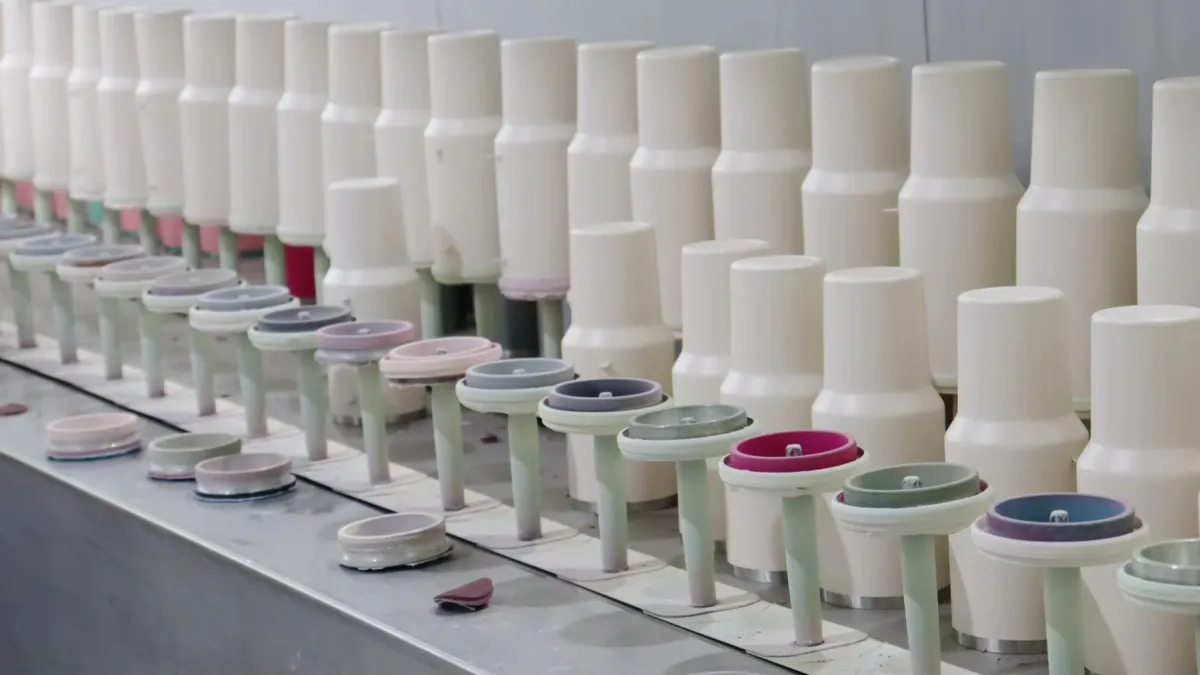
For EU sales, all food-contact materials must meet the general framework and GMP requirements, while the General Product Safety Regulation and applicable product-specific or national rules may add responsibilities. For US children’s products subject to CPSC rules, the domestic manufacturer or importer may need third-party testing by a CPSC-accepted laboratory and a Children’s Product Certificate listing applicable rules.
Classification and test scope depend on the exact product. Use qualified counsel and an accredited laboratory; do not assume that every cup requires the same toy, child-care article, small-parts, lead, or phthalates rules.
Set mechanical and functional checks by the actual design
- Edges and points: inspect rim, threads, handle, fasteners, straw ends, decoration, and damaged states.
- Detachability: evaluate small components, plugs, valves, covers, badges, and decorations after use and abuse appropriate to the scope.
- Leak or spill function: define closure, fill, temperature, orientation, motion, duration, and age-appropriate operation.
- Drop and impact: define surface, height, orientation, conditioning, cycles, and post-test hazards or function.
- Cleaning: assess disassembly, trapped liquid, gasket access, odor, drying, dishwasher claim, and reassembly errors.
- Thermal risk: match beverage-temperature claims, exterior temperature, lid opening, warnings, and instructions to the product.
A children’s cup should be tested as the final assembled product where function or mechanical safety depends on interactions between components. Component material reports cannot replace finished-product mechanical evaluation.
Control decoration, packaging, and instructions
Artwork that appeals to children may affect product classification, licensing, accessible coating or ink, texture, detachable elements, and marketplace claims. Confirm intellectual-property rights and keep decoration within approved areas and processes.
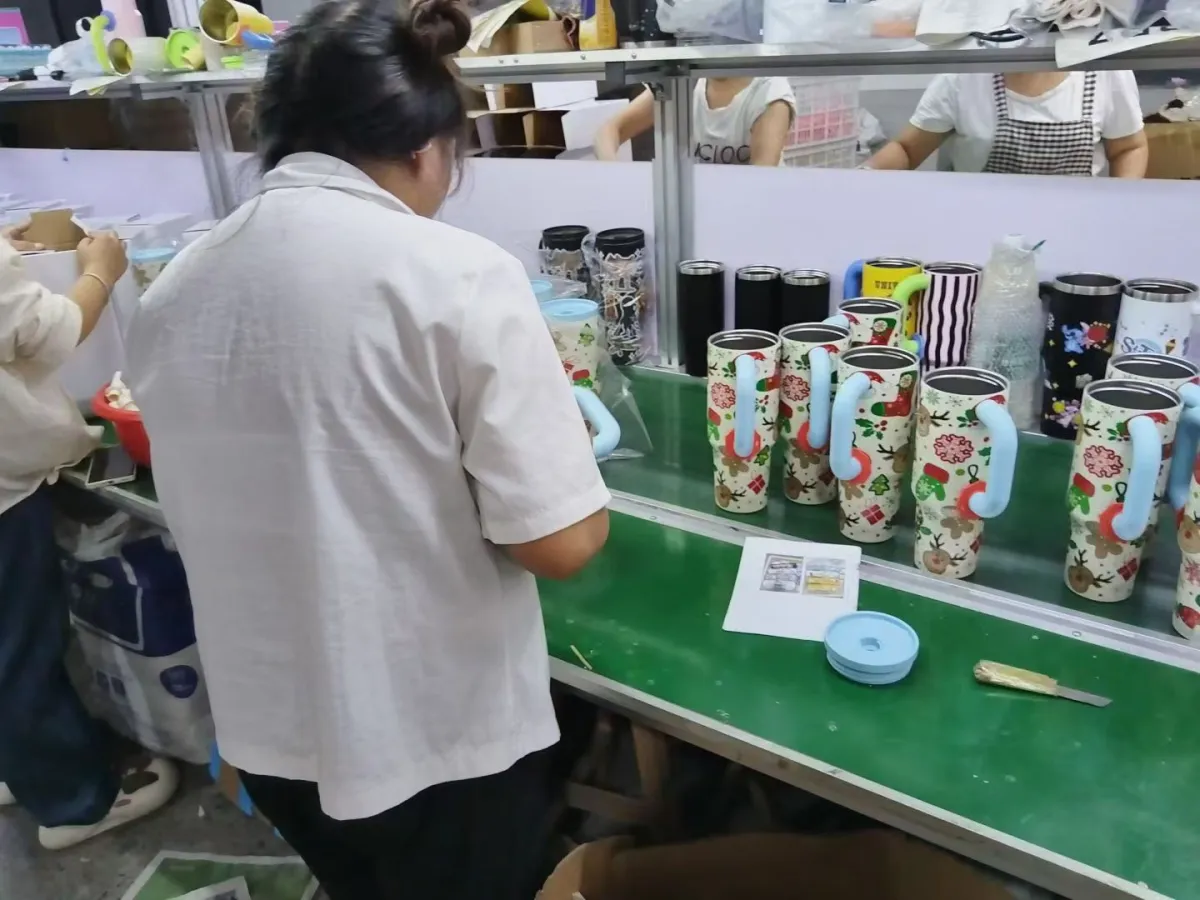
Packaging and online listings should identify the exact product, age or supervision information where applicable, manufacturer or responsible economic operator details, traceability, warnings, beverage and temperature limits, cleaning, lid assembly, and included accessories. Avoid pictures showing functions the SKU does not have.
Review custom packaging options, then have the importer approve legal and language content before printing.
US and EU documentation checkpoints
| Market checkpoint | Buyer responsibility |
|---|---|
| US product classification | Determine whether primarily intended for children 12 or younger and which CPSC-enforced rules apply. |
| US CPC and testing | Importer or domestic manufacturer issues the CPC based on applicable CPSC-accepted third-party testing or valid exceptions. |
| US tracking information | Review tracking-label requirements and production information for children’s products. |
| EU food contact | Map materials and intended use under the EU FCM framework and current specific measures. |
| EU general product safety | Risk assessment, economic-operator details, traceability, warnings, distance-sale information, and corrective-action process. |
| Both markets | Control BOM, product revision, claims, test scope, packaging, changes, retained samples, and complaint data. |
Custom kids cup RFQ checklist
Send the target market and age, exact body and lid structure, actual straw or spout configuration, materials by component, beverage and temperature, colors and artwork, claims, applicable document and test plan, quantity by variant, packaging, labels, instructions, inspection, and delivery target through Bluegreen’s customization form.
Frequently asked questions
What age range should a custom kids cup specify?
Use the age supported by product design, foreseeable use, warnings, testing, and target-market rules. “Kids” is too broad. The importer should determine whether the product is primarily intended for children and which obligations follow.
Does every kids cup need a US Children’s Product Certificate?
Children’s products subject to one or more applicable CPSC children’s product safety rules require a CPC. The importer or domestic manufacturer must determine classification, applicable rules, testing, exceptions, and certificate content for the exact product.
Is a BPA-free report enough for a children’s cup?
No. It may address one substance or component, while the finished product also requires review of every material, food-contact condition, mechanical function, accessible parts, coating, ink, labeling, traceability, and other applicable rules.
Should a kids cup have a straw or a leakproof lid?
Only if the selected model actually includes that structure and the claim is supported. Do not infer a straw, drinking mode, or leakproof performance from another cup or a generic product image.
What should buyers approve before bulk production?
Approve the exact body, lid, handle, straw or spout if present, gasket, materials, colors, artwork, dimensions, functions, testing, warnings, instructions, packaging, labels, inspection plan, and controlled golden sample.
References and further reading
- CPSC — Children’s Product Certificate — Official US certification guidance.
- CPSC — Tracking Label Business Guidance — Official US tracking-label guidance.
- Regulation (EU) 2023/988 — General Product Safety Regulation — Official EU GPSR text.
Define the children’s product before choosing artwork
Send the market, age, exact structure, materials, use and temperature, claims, tests, artwork, quantity, packaging, labels, instructions, inspection plan, and target date.
This guide provides general B2B sourcing information, not legal or laboratory advice. Confirm market-specific requirements, test methods, and acceptance criteria with qualified professionals before production.



 English
 German
 French
 Russian
 Spanish
 Japanese
 Korean
 Portuguese
 Ukrainian
 Arabic
 Italian

Leave A Comment