
Color Approval for Bulk Drinkware
How to Approve Custom Drinkware Color Samples Before Bulk Orders
A screen image or color code starts the conversation. A controlled production-equivalent sample and a written decision rule finish it.
Short answer
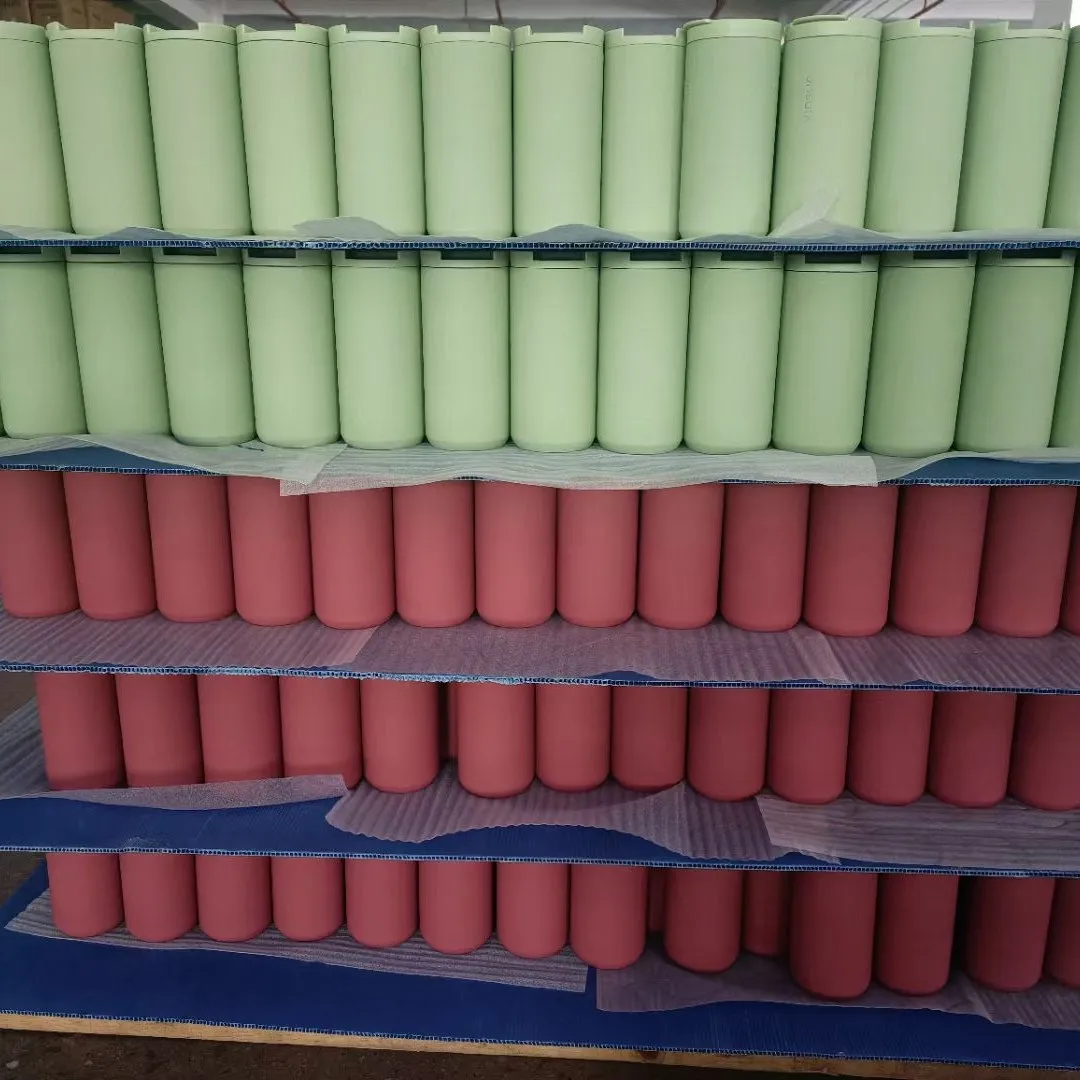
Approve a custom drinkware color on the production-equivalent product, using a controlled physical reference, defined finish, agreed lighting and viewing geometry, documented tolerance, and labeled approval sample.
A Pantone or digital value alone does not control substrate, gloss, texture, curvature, film build, molded resin, or production variation. Record what was approved and what must trigger reapproval.
Why the same color code can look different on drinkware
Color systems are useful communication tools, but the finished object adds material and process variables. A matte powder-coated stainless body, glossy spray-painted body, translucent plastic lid, and printed logo can all interpret the same target differently.
| Factor | How it changes appearance | Approval response |
|---|---|---|
| Substrate | Metal tone, resin, primer, and base color affect the coating or molded result | Approve on the actual or equivalent material and preparation. |
| Gloss and texture | Reflection changes lightness, saturation, and perceived hue | Approve color, gloss, and texture together. |
| Shape | Curved walls create highlights and shadows | View several orientations and critical areas. |
| Lighting | Daylight, store light, and office light have different spectra | Name the primary viewing condition and check metamerism risk. |
| Process | Film build, cure, mixing, molding, and line conditions shift results | Use a production-equivalent route and retain process identity. |
| Display | Camera, edit, screen profile, and brightness alter digital images | Do not use a phone image as the sole acceptance master. |
A seven-step color approval workflow
- Lock the product structure. Identify the body, lid, handle, straw, gasket, metal and plastic parts, and which components need color matching.
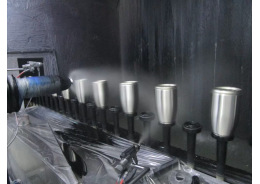
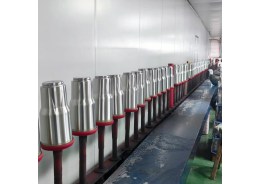
- Lock the finish route. State powder coating, spray painting, molded color, printing, or another method, plus gloss and texture.
- Choose the master. Use a protected physical reference or an agreed standard tied to the target—not an uncontrolled screenshot.
- Make production-equivalent samples. Use representative substrate, preparation, geometry, material, application, and cure.
- Review under controlled conditions. Set light, background, distance, angle, and comparison orientation.
- Record the decision. Label approved, approved with limits, or rejected; record sample ID, date, reviewer, photos, and comments.
- Define reapproval triggers. Material, powder or paint supplier, formulation, substrate, line, finish, tool, or reference changes may require review.
Use visual and instrumental checks for different jobs
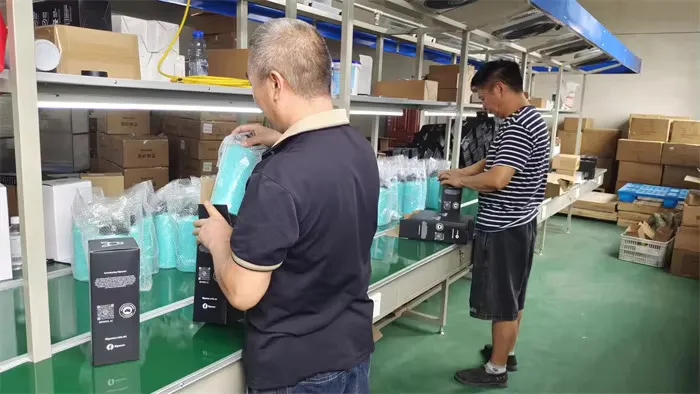
Visual review evaluates the finished product as a buyer will see it, including texture, gloss, coverage, mottling, edge effects, and contrast with the lid and logo. Instrumental data can improve consistency when the measurement geometry, instrument settings, sample location, and formula are controlled.
ISO/CIE 11664-6:2022 specifies calculation of color difference using the CIEDE2000 formula from CIELAB input values. A ΔE value is therefore not complete without the formula, instrument geometry, illuminant or observer settings, sample preparation, locations, repetitions, and acceptance rule.
What the approved sample record should contain
Project, SKU, model, component, drawing, finish, and color reference.
Substrate, preparation, coating or resin identity, line or tool, and date.
Lighting, background, instrument settings, locations, readings, and visual comments.
Status, accepted range, boundary samples, approver, retained sample, and reapproval triggers.
Photograph the approved sample for communication, but keep the physical master protected from dirt, abrasion, UV, heat, and uncontrolled handling. Identify an expiry or review point when aging could affect the reference.
Bluegreen’s customization services can develop finish and decoration samples. State whether the approved piece represents appearance only or also the final material, structure, and functional performance.
How to control color during bulk production
Check first-off pieces before the whole run, then sample across time, racks, line positions, color lots, cavities, or shifts as relevant. Compare both to the master and within the batch. Averages can hide a visible subgroup or gradual drift.
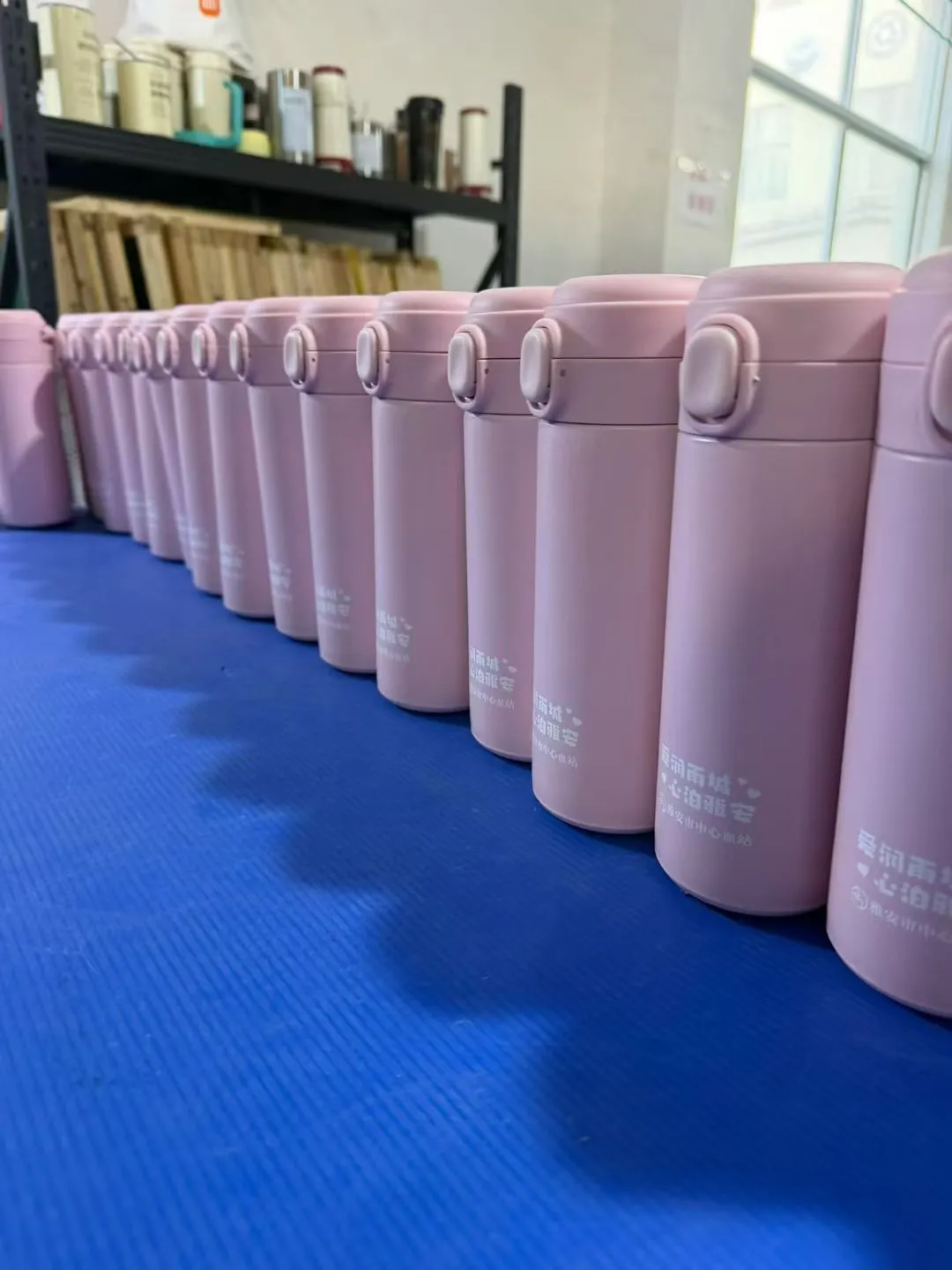
- Approve first-off parts after setup, color change, material change, or extended stop.
- Define critical measurement or viewing locations on the curved product.
- Separate hue difference from gloss, texture, coverage, contamination, and process defects.
- Record color lot, material lot, line or tool, time, and corrective adjustment.
- Inspect finished logo and packaging combinations because surrounding colors change perception.
Protect repeat-order color continuity
A repeat order should reference the previous approved master and production record, but it still needs confirmation of material, finish, supplier, process, and acceptable change. Physical references age, and raw-material lots or manufacturing routes can change.
| Question | Buyer action |
|---|---|
| Is the same master valid? | Inspect its condition, identity, storage, and approval history. |
| Is the process unchanged? | Review formulation, material supplier, substrate, line, tool, and cure or molding conditions. |
| Must old and new stock match side by side? | Set a tighter continuity plan if both batches will share a shelf or set. |
| What happens after drift? | Define containment, sorting, resampling, correction, rework limits, and buyer approval. |
The companion guide on color tolerance, cost, quality, and lead time explains the commercial tradeoffs of tighter limits.
Color sample request checklist
Send the model and component map, substrate, finish route, color reference, gloss, texture, logo method, viewing and measurement method, quantity per color, sample rounds, durability checks, packaging, and target date through Bluegreen’s customization form. Clearly label appearance-only samples and production-equivalent samples.
Frequently asked questions
Is a Pantone code enough to approve a tumbler color?
No. It communicates a target but does not control substrate, coating or resin, gloss, texture, curvature, lighting, process, or batch variation. Approve a production-equivalent physical sample with documented conditions.
Should color be approved from a photo?
A photo is useful for communication but should not be the sole master because cameras, edits, displays, and viewing environments alter appearance. Keep a labeled physical reference and controlled evaluation record.
What ΔE tolerance should custom tumblers use?
There is no responsible universal number. Choose the color-difference formula, instrument conditions, measurement locations, repeatability, visual correlation, finish, geometry, and commercial requirement before setting a limit.
Why does a matte tumbler look different from a glossy sample?
Gloss and texture change how light reflects from the surface, altering perceived lightness and saturation. Color, gloss, and texture should therefore be approved as one finish system.
When should a color sample be reapproved?
Reapproval may be needed after material, formulation, substrate, supplier, line, tool, process, gloss, texture, coating, molded resin, or reference changes, and when old and new inventory must match closely.
References and further reading
- ISO/CIE 11664-6:2022 — CIEDE2000 colour-difference formula — Official ISO/CIE scope for calculating color difference.
Approve the finish, not only the color code
Send the exact product and components, substrate, finish, color master, gloss, texture, logo, evaluation method, quantity per color, sample need, and target date.
This guide provides general B2B sourcing information, not legal or laboratory advice. Confirm market-specific requirements, test methods, and acceptance criteria with qualified professionals before production.



 English
 German
 French
 Russian
 Spanish
 Japanese
 Korean
 Portuguese
 Ukrainian
 Arabic
 Italian

Leave A Comment