
Surface-Finish Selection for B2B Buyers
Tumbler Powder Coating vs Spray Painting: What B2B Buyers Should Confirm
Choose the finish by target appearance, substrate, decoration, use and care, durability method, order structure, and approved sample—not by assuming one process is always better.
Short answer
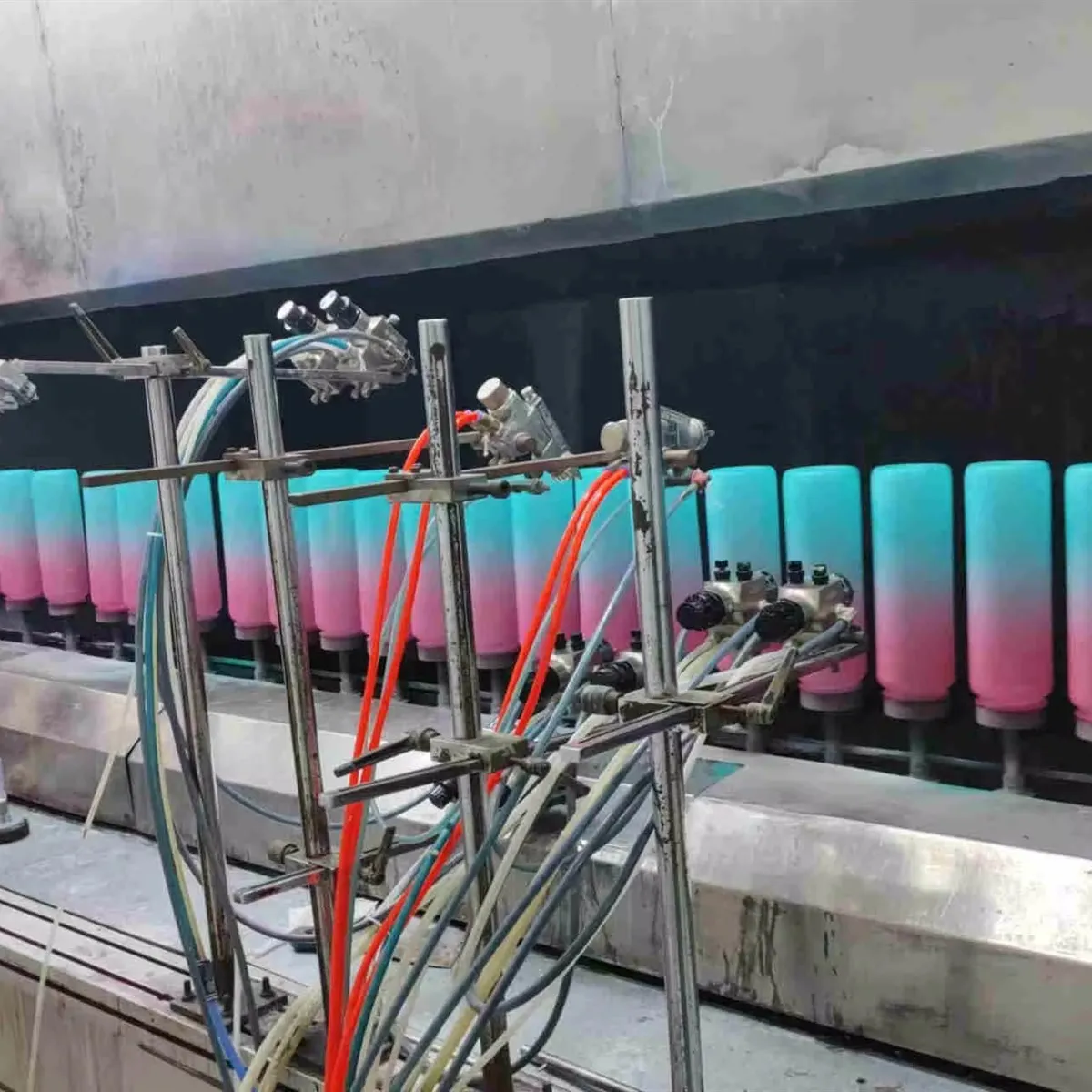
Tumbler powder coating is often selected for a durable, textured or matte finish on suitable metal drinkware, while liquid spray painting offers broad control over color effects, gradients, gloss, and specialized visual systems. Neither name guarantees performance.
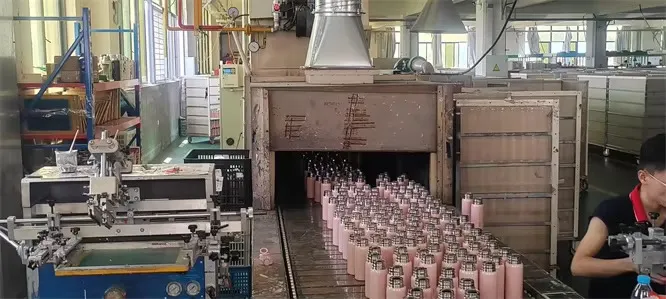
Buyers should approve the complete coating system—substrate preparation, primer if used, material, color, film build, cure, masking, decoration compatibility, test method, and care claim—on the exact product.
Spray painting vs powder coating at a glance
| Decision factor | Liquid spray painting | Powder coating |
|---|---|---|
| Typical design range | Solid colors, gradients, high gloss, soft-touch or special visual systems depending on formulation | Solid colors and textures are common; effect range depends on powder and line capability |
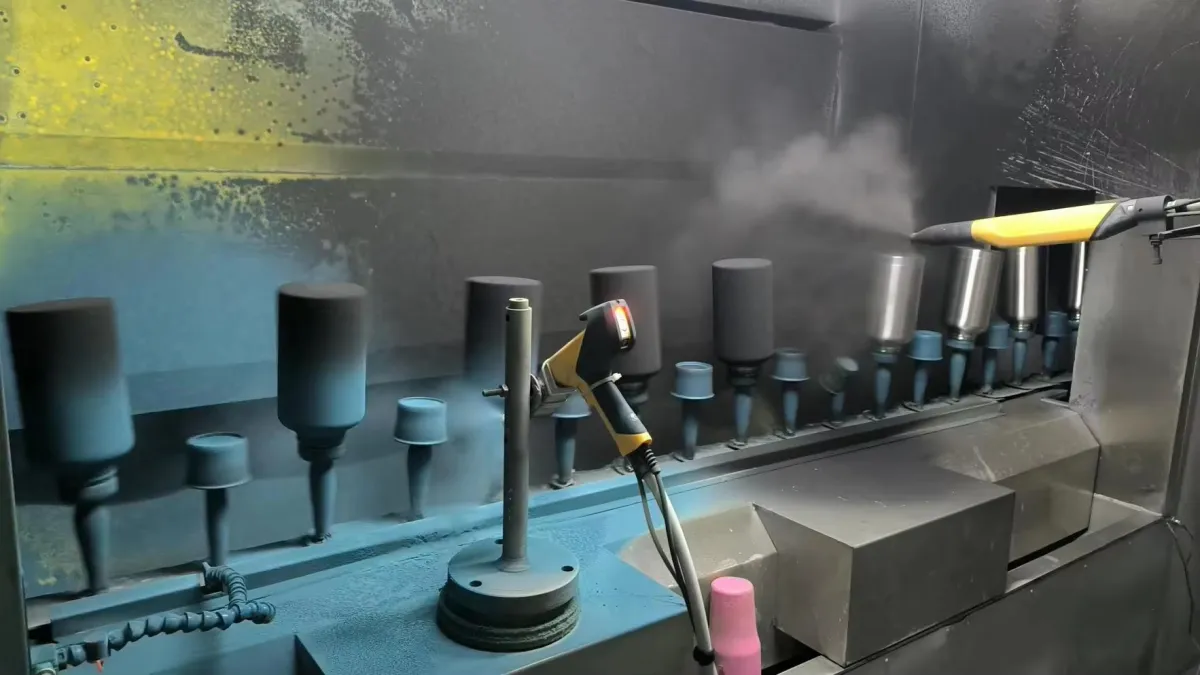
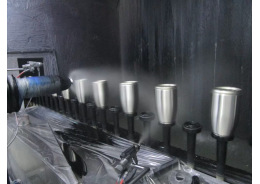
| Application | Atomized liquid coating; solvent- or water-borne system depending on specification | Dry powder applied electrostatically and cured on suitable parts |
| Substrate fit | Depends on coating system and pretreatment | Commonly used on conductive metal parts that tolerate the cure schedule |
| Main controls | Viscosity, atomization, spray distance, flash-off, film build, and cure | Grounding, powder flow, film build, oven profile, and cure |
| Visual risks | Runs, sagging, dust, orange peel, uneven gradient, overspray | Thin areas, Faraday-cage effects, texture variation, contamination, color shift |
| Durability | Formulation and process dependent | Formulation and process dependent; not proven by the word “powder” |
| Commercial impact | Color development, masking, passes, yield, and line time | Powder batch, color change, recovery, line time, and cure capacity |
Choose by appearance and product architecture
Start with the product structure. Identify the cup body, lid, handle, straw, gasket, metal and plastic parts, food-contact surfaces, and areas that must remain uncoated. A process suitable for the metal body may not suit assembled plastic components or gaskets.
Use liquid spray systems when the required effect depends on controlled transitions, multiple passes, specialized gloss or tactile appearance, or a formulation designed for that visual. Use powder coating when the target metal product, color, texture, line, and cure profile make it the better controlled route.
Review Bluegreen’s spray-painting service and powder-coating service as separate options. For a fair quote, send the same body, color reference, finish, masking, logo, quantity, and test requirements.
Do not turn a process name into a durability claim
Adhesion, abrasion, impact, chemicals, dishwasher exposure, UV, corrosion at damaged areas, and long-term appearance are different properties. One test cannot prove them all. Select methods based on intended use and the claim the brand plans to make.
Method, cut tool, spacing, tape, conditioning, location, and classification.
Contact material, load, cycles, inspected change, and decorated area.
Detergent, water temperature, rack position, cycles, and acceptance.
Color, gloss, texture, coverage, defects, and boundary samples.
ISO 2409:2020 specifies a cross-cut method that assesses resistance of a coating to separation after a lattice is cut through it. ISO explicitly notes that the procedure is not a direct measurement of adhesion and has applicability limits. If it is used, state the full method and classification rather than saying only “cross-cut passed.”
Approve a coating sample that represents production
A flat color chip may help communicate hue, but it does not reproduce the cup geometry, substrate preparation, texture, edge coverage, masking, logo interaction, or cure. Approve the finish on the exact or production-equivalent body.
- Identify the substrate, body preparation, coating system, supplier color code, and production revision.
- Review color and gloss under agreed lighting, angle, background, and viewing distance.
- Check edge, rim, base, handle attachment, recessed areas, and masked surfaces.
- Apply the decoration and retail packaging to confirm compatibility and rub protection.
- Record acceptable visual variation and functional test results with photos and sample IDs.
The separate guide to approving custom drinkware color samples explains how to lock viewing conditions and references before mass production.
How finish choice affects cost and lead time
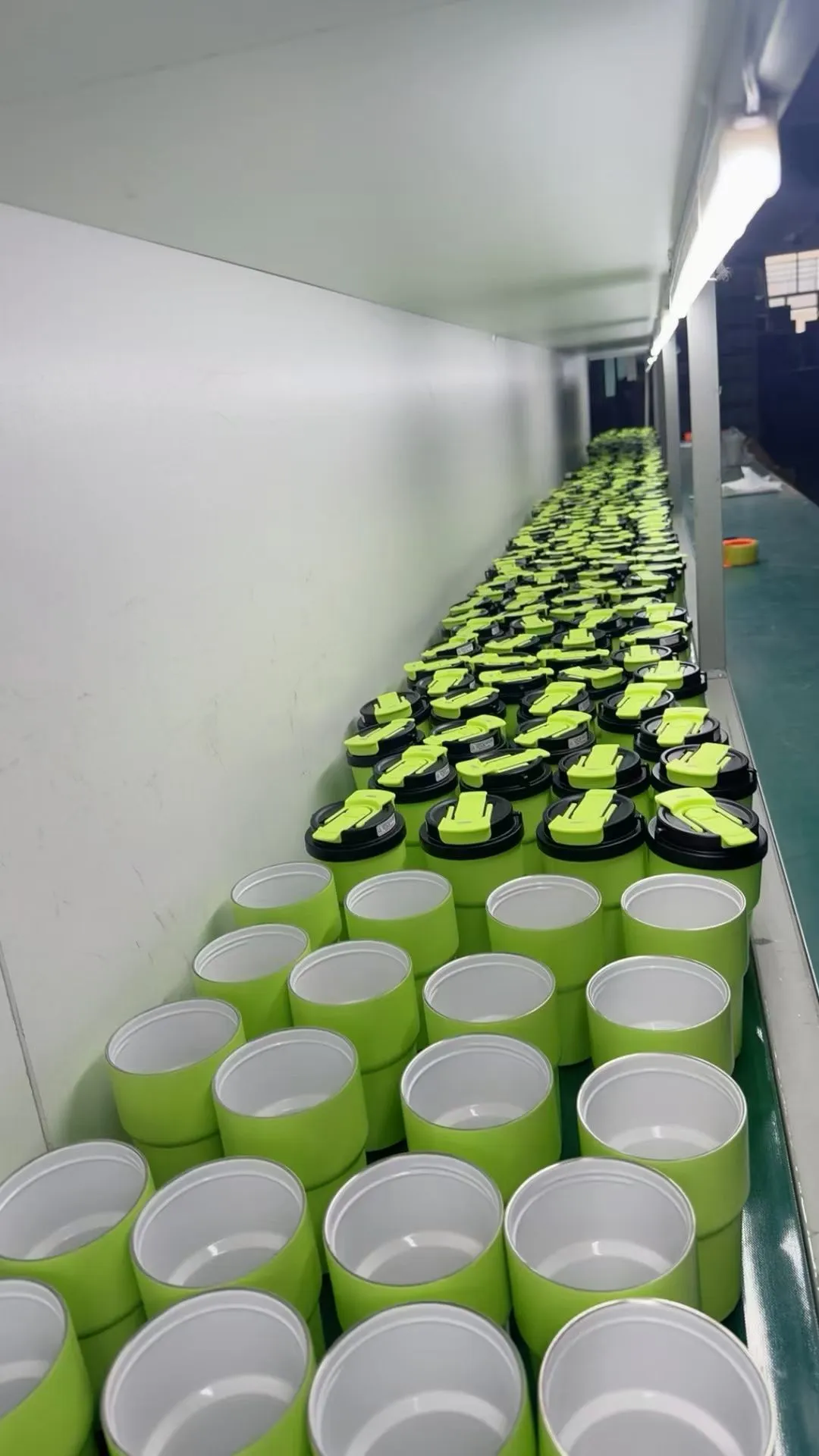
There is no universal percentage difference between spray painting and powder coating. Cost changes with formulation, color, finish, order quantity per color, line setup, masking, number of passes, yield, cure time, inspection, rework, and whether the color is already established.
- Multiple colors or small color lots increase changeovers and approval work.
- Gradients and special effects usually add application control and visual inspection.
- Tight color or gloss limits can increase sorting, rework, and sample rounds.
- Complex masking and assembled handles can add labor and defect risk.
- New formulation or durability requirements may add material qualification and testing.
Bluegreen’s typical production lead-time range is about 7–35 days, subject to the model, quantity, finish, customization, approvals, and confirmed plan. Color development and test cycles should be scheduled before the shipment window.
Coating RFQ and purchase-order checklist
| Requirement | What to state |
|---|---|
| Product | Model, substrate, capacity, body revision, handles, assembled components, and food-contact boundaries |
| Finish | Spray or powder option, color reference, gloss, texture, effect, and approved sample |
| Process boundaries | Pretreatment, primer if required, masking, film build, cure, and rework limits |
| Decoration | Logo method, artwork, locations, sequence, and coating compatibility |
| Performance | Use condition, methods, conditioning, locations, sample plan, and acceptance |
| Commercial | Quantity per color, sample rounds, packaging, delivery target, and price options |
Submit the finish specification with the model, quantity, artwork, packaging, and target market through Bluegreen’s customization form. Request separate priced options when either process could meet the design.
Frequently asked questions
Is powder coating always more durable than spray paint on tumblers?
No. Performance depends on the complete formulation, substrate preparation, application, cure, product geometry, use, and care. Compare agreed test results on the exact product rather than relying on the process name.
Which finish is better for a gradient tumbler?
Liquid spray painting is commonly considered when the design requires controlled color transitions, although the viable route depends on the effect, substrate, line capability, quantity, durability needs, and approved sample.
Can powder coating be applied to every drinkware component?
No. Suitability depends on conductivity, heat tolerance, geometry, grounding, cure schedule, and the complete assembly. Plastic lids, gaskets, transparent parts, and food-contact areas require separate treatment decisions.
How should a buyer test a tumbler coating?
Select methods that match intended use and claims, such as appearance, adhesion classification, abrasion, impact, cleaning cycles, or chemical exposure. Define conditioning, location, sample count, equipment, and acceptance before production.
Why do custom coating colors increase lead time?
New colors may require formulation or matching, sample panels and product samples, line setup, buyer approval, and testing. Multiple colors and tight limits add changeovers, inspection, and possible rework.
References and further reading
- ISO 2409:2020 — Paints and varnishes — Cross-cut test — Official scope and limitations of the cross-cut method.
Compare finishes on the same product specification
Send the body, substrate, color reference, gloss or texture, masking, artwork, use and care, tests, quantity per color, packaging, and delivery target.
This guide provides general B2B sourcing information, not legal or laboratory advice. Confirm market-specific requirements, test methods, and acceptance criteria with qualified professionals before production.



 English
 German
 French
 Russian
 Spanish
 Japanese
 Korean
 Portuguese
 Ukrainian
 Arabic
 Italian

Leave A Comment