
Powder selection and appearance
Powder chemistry, pigment batch, particle distribution, film thickness, texture, gloss, and curing can change the final appearance. Color should be approved on the actual tumbler surface.

Powder coating for tumblers applies electrically charged dry powder to a prepared and grounded stainless steel body, followed by controlled heating that melts and cures the particles into a continuous film. Surface preparation, grounding, powder flow, electrostatic settings, film thickness, oven conditions, cooling, and handling determine coverage, texture, adhesion, color, and bulk consistency.
Powder Coating for Insulated Tumblers: Process, Benefits, and Bulk Quality Control should be approved on the actual product material and geometry before bulk production. Confirm color or artwork, coverage area, surface preparation, tolerance for shade or placement, durability test method, packaging protection and the signed sample used as the production reference.

Process overview
After cleaning and pretreatment, the stainless steel body is grounded while spray guns charge dry powder particles. Electrostatic attraction helps the powder cover the surface before the part enters an oven. Heat allows the powder to flow, level, and chemically cure into a film. The body is then cooled, removed from its fixture, inspected, decorated, and packed.
Powder chemistry, pigment batch, particle distribution, film thickness, texture, gloss, and curing can change the final appearance. Color should be approved on the actual tumbler surface.

Rims, shoulders, bottoms, handle joints, recesses, and fixture contact zones can receive a different electrical field or powder build. These areas require specific inspection.

Powder type, spray build, flow-out, and cure determine whether the film feels smooth, fine-textured, or coarse. An approved physical sample should define the intended texture.
Key process variables
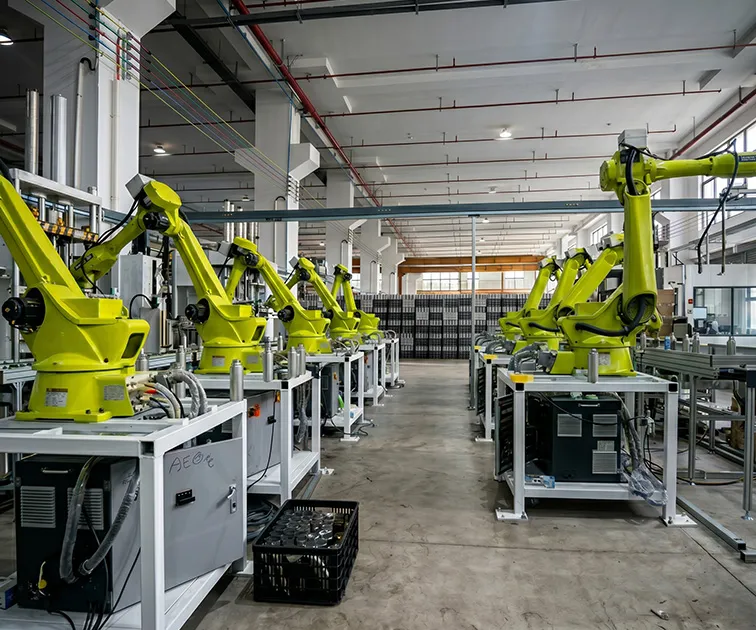
Powder coating quality is created across the full route, not only inside the spray booth. Pretreatment affects adhesion, grounding affects powder attraction, gun settings and part movement affect film build, and the oven profile affects flow, cure, color, and mechanical performance. Cooling and handling can then protect or damage the finished surface.
Production sequence
A repeatable line keeps the body preparation, grounding, powder batch, spray recipe, conveyor or handling speed, film target, oven profile, and inspection method consistent. If any of these inputs changes after sample approval, the batch may differ in color, texture, edge coverage, adhesion, gloss, or resistance to handling.
For factory background, review Bluegreen's About UsandQuality Controlpages.

Process boundary
Powder coating uses dry charged particles and oven curing. Conventional spray painting atomizes a liquid coating and offers a wider range of smooth gloss, pearl, metallic, and gradient effects. Rubber paint is a liquid soft-touch system selected for tactile feel. Each route requires its own pretreatment, film control, cure conditions, logo test, and defect criteria.
| Decision point | Powder coating | Spray painting | Rubber paint |
|---|---|---|---|
| Best fit | Dry-powder application for solid colors, matte or textured surfaces, and repeat production programs. | Liquid coating for smooth gloss, pearl, metallic, gradient, and other controlled visual effects. | Liquid soft-touch coating where tactile feel and an ultra-matte appearance are part of the specification. |
| Main buyer risk | Pretreatment failure, poor grounding, thin or heavy film, edge coverage, cure variation, contamination, and handling marks. | Dust, runs, sagging, solvent or flash-off problems, color variation, and surface damage after liquid application. | Touch variation, dust, rub marks, logo compatibility, cleaning limits, and long-term surface change. |
| Approval method | Coated sample plus agreed texture, color, film and cure checks, logo test, and packaging trial. | Liquid-paint sample defining gloss, color effect, surface condition, logo result, and accepted variation. | Soft-touch sample defining feel, color depth, surface condition, logo result, cleaning guidance, and packing protection. |

Bluegreen can review powder coating fit for custom tumblers,outdoor jugs, and insulated bottle programs.
FAQ
Grounding gives the charged powder a controlled electrical path and helps attract particles to the metal body. Poor contact can reduce transfer efficiency and create thin, uneven, or unstable coverage. Grounding points, fixture cleanliness, hanging method, and electrical continuity therefore need to remain consistent during production.
Uneven results can come from pretreatment residue, weak grounding, gun distance, voltage, powder flow, part rotation, complex geometry, recycled-powder balance, film thickness, or the oven profile. Rims, bottoms, shoulders, handles, recesses, and fixture zones should be checked separately because their coverage can differ from the main body.
During curing, powder melts, flows, and reacts to form the finished film. Insufficient time or part temperature can leave the coating under-cured, while excessive heat can change gloss, color, flexibility, or appearance. The oven setting must account for the actual part temperature, coating specification, line load, and body geometry.
Check contamination, craters, pinholes, orange peel, thin or exposed areas, excessive film, uneven texture, color or gloss variation, poor edge coverage, scratches, fixture marks, incomplete cure, adhesion problems, logo defects, and rubbing caused by packing. The accepted sample and inspection method should define the production limit.
Related Process Guides

Compare finish routes for color effect, logo contrast, durability, and packing risk.

Use a structured sample check before confirming color, coating, logo, and packaging.

Prepare product details, finish requirements, logo files, packaging, and inspection rules.
Process Specification
Send the tumbler model, coating area, protected surfaces, powder color and texture reference, logo process, quantity, packaging method, and inspection requirements. Bluegreen can review the body geometry, coating route, sample standard, curing and handling risks, and the information needed before bulk production.


Innovation and pragmatic pursuit of excellence



 English
 German
 French
 Russian
 Spanish
 Japanese
 Korean
 Portuguese
 Ukrainian
 Arabic
 Italian