
OEM/ODM Manufacturer Checklist
Custom Water Bottle Manufacturer Checklist: OEM/ODM Drinkware for B2B Buyers
The best manufacturer for a B2B program is the one that can turn an approved specification into repeatable production, controlled changes, documented release, and predictable delivery.
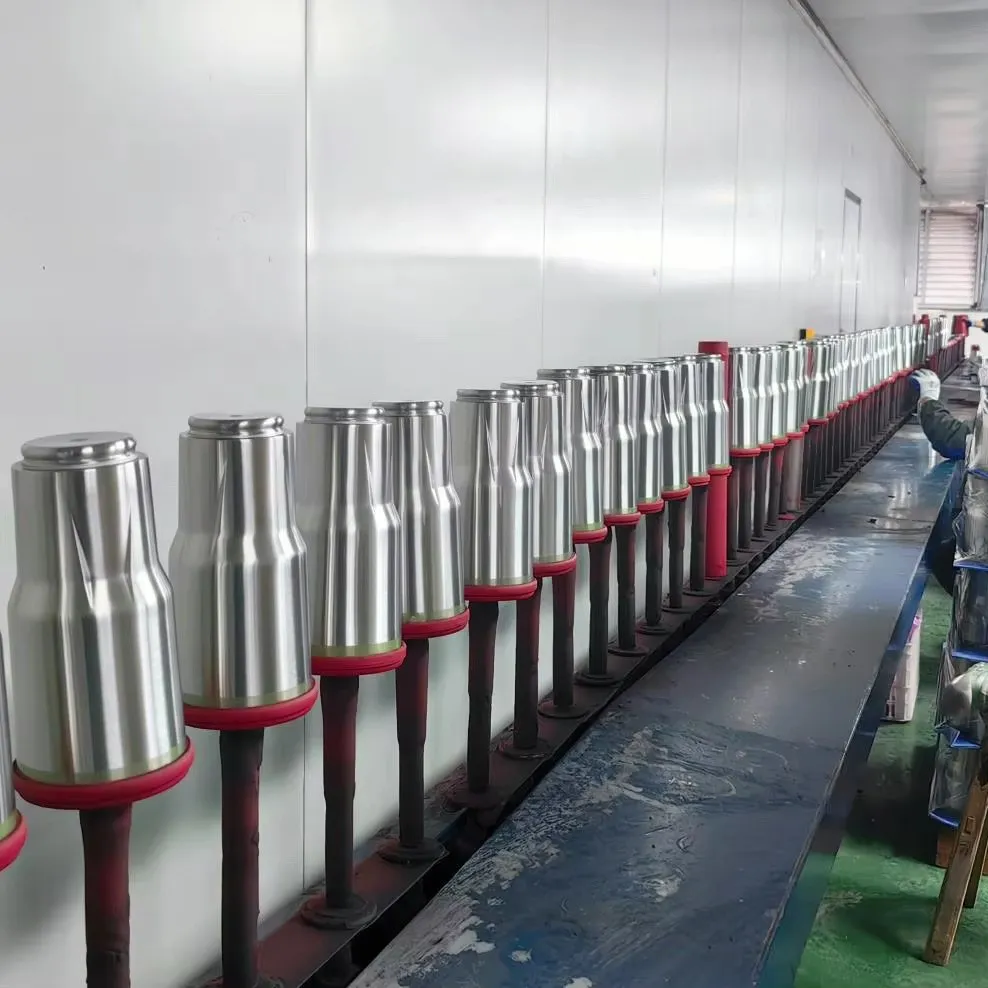
Short answer
A custom water bottle manufacturer should be evaluated by its ability to control product definition, engineering, materials, tooling, samples, manufacturing, inspection, packaging, changes, and delivery for the exact order.
Use one scorecard and one RFQ for all candidates. Verify which processes are in-house, which are supplied externally, what evidence applies to the quoted site and SKU, and how the approved sample remains connected to bulk production.
Choose the right OEM or ODM development route
| Route | Typical starting point | Buyer should control |
|---|---|---|
| Existing model customization | Supplier’s current body and lid with color, logo, and packaging changes | Exact model revision, permitted changes, artwork, MOQ, sample, and exclusivity limits |
| ODM adaptation | Existing platform modified in structure, capacity, lid, handle, finish, or accessories | Design ownership, tooling, validation, compatibility, change control, and replacement parts |
| OEM or new development | Buyer drawing, industrial design, or jointly developed concept | Requirements, DFM, prototype, tooling ownership, IP, validation, golden sample, and scale-up |
| Private label | Established product sold under the buyer’s brand | Branding, packaging, claims, compliance roles, traceability, and channel differentiation |
A faster route is not always lower risk. Existing-model customization can reduce tooling and development time, but buyers must confirm that the model, lid, materials, claims, and market documents actually fit the program.
Check product-category and engineering fit
Bluegreen produces stainless steel, plastic, and titanium drinkware through user-confirmed in-house production processes. The company’s main B2B scope includes custom and bulk programs; it is not positioned as a retail or dropshipping service.
Stainless bottle or tumbler, plastic cup or bottle, titanium drinkware, kids cup, coffee cup, or outdoor jug.
Single or double wall, vacuum, lid, handle, straw, gasket, plastic and metal components, accessories.
Drawings, tolerances, material by component, DFM, prototypes, tools, validation, and claims.
Model-specific MOQ, line fit, finish batches, quantity by variant, schedule, and repeat orders.
Browse Bluegreen’s tumbler, vacuum flask, and kids cup categories to identify a starting platform, then confirm the exact structure and available changes.
Map manufacturing processes and supply-chain boundaries
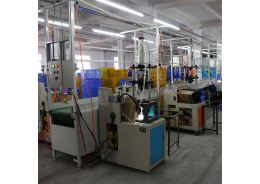
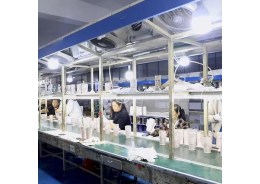
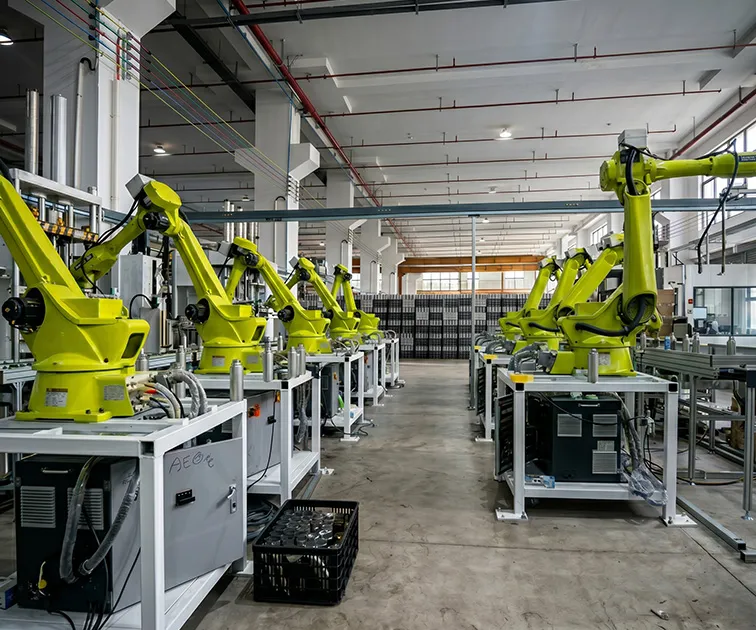
Ask for the process route from incoming material to packed goods. For stainless drinkware, this may include tube or blank preparation, forming, trimming, welding, vacuum processing, polishing, cleaning, finishing, assembly, testing, and packing. Plastic and titanium routes differ.
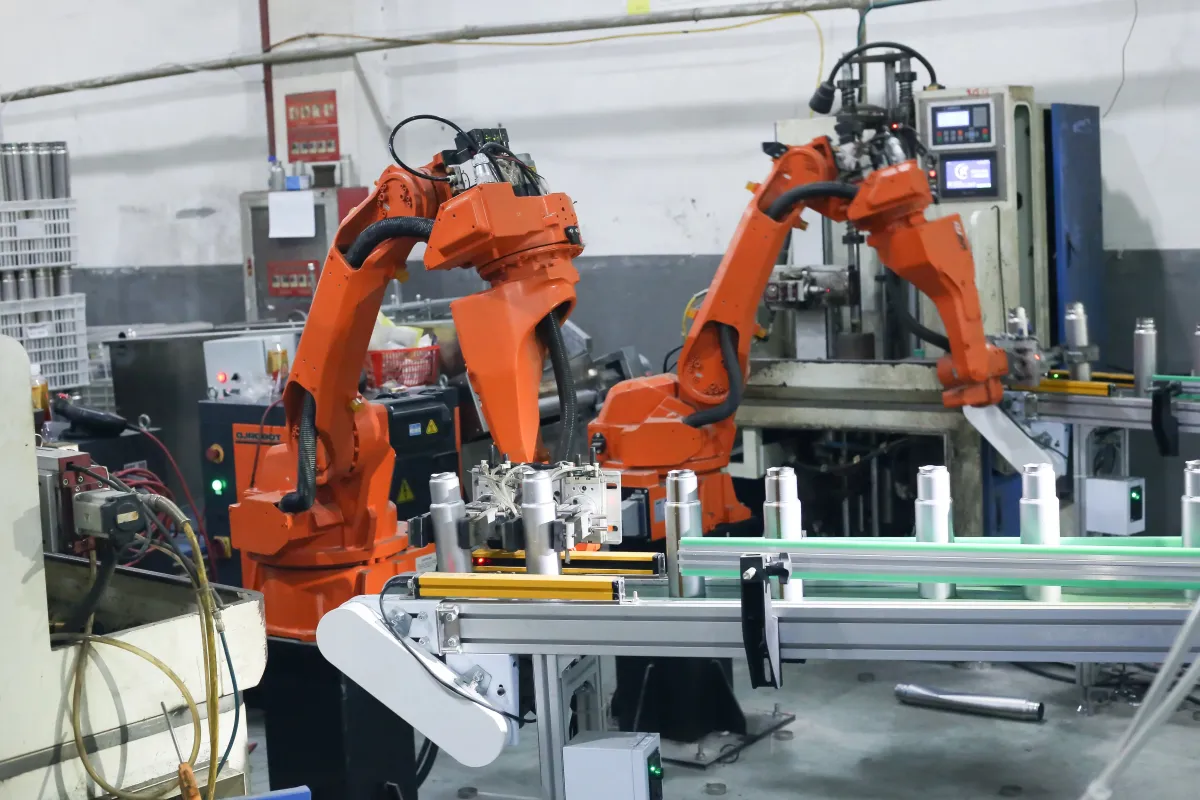
Do not convert “in-house processes” into “every component is manufactured internally.” Lids, gaskets, straws, coatings, inks, adhesives, packaging, or specialty parts may come through qualified suppliers. Evaluate supplier approval, incoming control, traceability, and change notification for these items.
Use the manufacturing overview as a public reference, then request an order-specific process map and responsibility matrix.
Control samples, tooling, and design changes
- Define sample stages: stock reference, appearance sample, functional prototype, tooling sample, pre-production, and golden sample.
- Record every approval: body, lid, gasket, handle, straw, materials, dimensions, finish, logo, accessories, packaging, and tests.
- Clarify tooling: owner, payer, storage, life, maintenance, replacement, modification, transfer, and post-project treatment.
- Control changes: material, supplier, site, tool, cavity, lid, gasket, finish, artwork, and packaging require defined notice and reapproval.
- Link bulk production: drawing revision, golden sample, BOM, process sheet, and inspection plan must use the same version.
A sample that looks correct but uses temporary components or a different process should be labeled accordingly. Do not market or certify the final product from an appearance-only sample.
Review quality control and market-document scope
Check incoming, first-off, in-process, assembly, functional, appearance, packaging, and final release controls for the exact SKU. Agree test methods, sample selection, defect classes, records, retained samples, corrective action, and shipment authority.
| Evidence | Scope questions |
|---|---|
| Management-system certificate | Legal entity, site, standard edition, scope, certification body, validity |
| Material document | Component, grade or formulation, supplier, lot, production connection |
| Test report | Sample identity, methods, conditions, results, market, product revision, laboratory |
| Inspection record | Lot, sample plan, equipment, defects, results, disposition, approver |
| Customer or visitor photo | May show a visit only; does not prove identity, order, endorsement, or outcome |
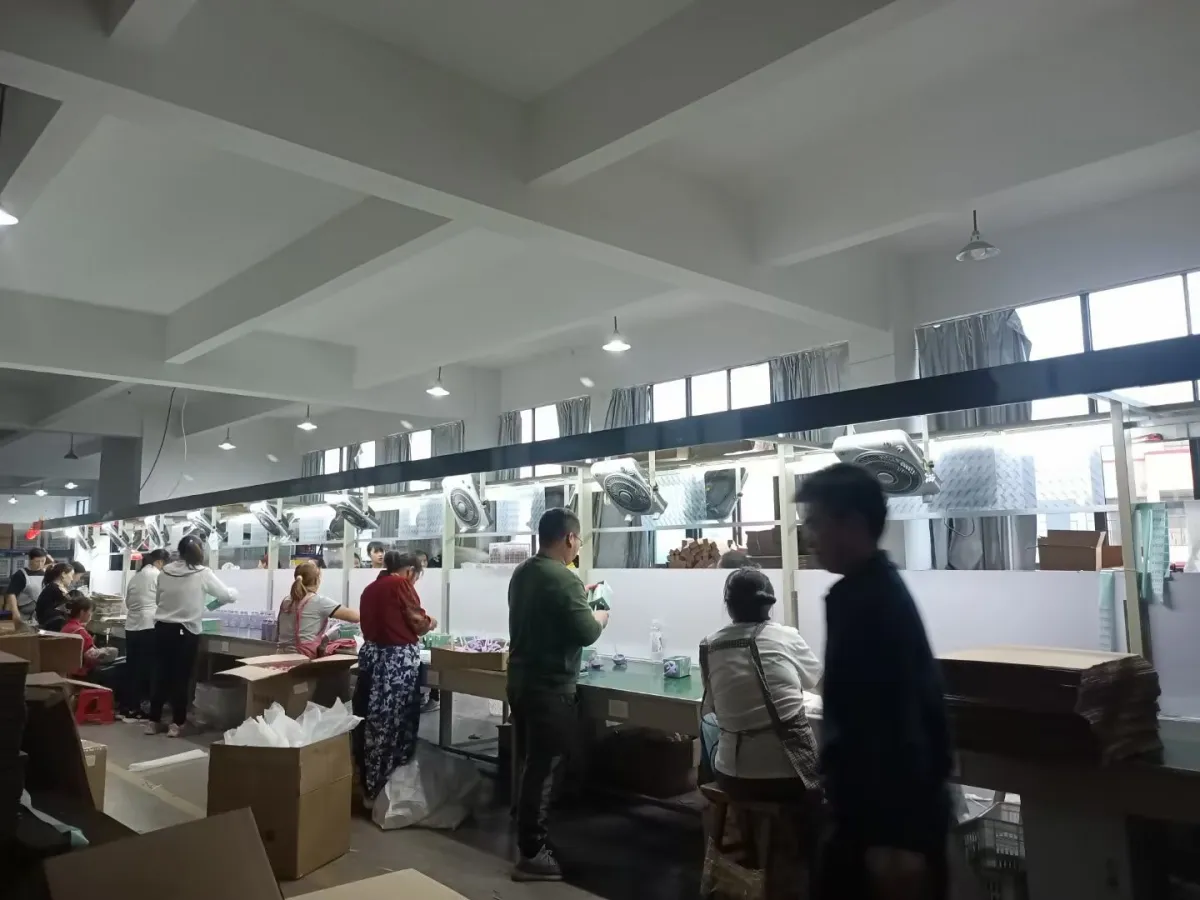
Use Bluegreen’s quality-control page to identify relevant controls, then turn them into a written order plan. Website-level statements should not be treated as universal proof for every model.
Verify capacity, lead time, packaging, and commercial terms
Bluegreen reports approximate annual output of 8 million pieces, but buyers should confirm the definition, product mix, line, shift, yield, season, and allocation for a specific program. MOQ is model-specific. Typical production is about 7–35 days depending on product, quantity, customization, approvals, and confirmed plan.
- Ask which process is the bottleneck and whether the line is shared with other products.
- Separate sample, tooling, material, production, packaging, testing, inspection, and transit time.
- Define payment, currency, quote validity, Incoterm and named place, freight, duty, and insurance responsibility.
- Approve individual packaging, inserts, barcodes, labels, cartons, marks, pallet, and damage protection.
- Agree claim, delay, shortage, rework, replacement, spare-part, and corrective-action procedures.
Review custom packaging options before finalizing carton cube and shipment cost.
Manufacturer scorecard and RFQ checklist
| Scorecard area | Required buyer input or supplier answer |
|---|---|
| Business fit | Markets, channel, category, quantity, repeat-order plan, communication and project owner |
| Product | Exact structure, materials, drawing, lid, accessories, finish, artwork and claims |
| Development | Route, sample stages, DFM, tooling, IP, validation, approval and change control |
| Manufacturing | Process map, ownership, external suppliers, capacity, bottlenecks and traceability |
| Quality and compliance | Methods, records, documents, sampling, defects, corrections and legal roles |
| Commercial and delivery | MOQ, price breakdown, timing, payment, packaging, Incoterm, place and remedies |
Prepare one common request using the custom drinkware RFQ checklist, then submit the exact program through Bluegreen’s customization form.
Frequently asked questions
What is the difference between OEM and ODM drinkware?
OEM usually begins with buyer-controlled requirements or design, while ODM begins with a supplier platform that is selected or adapted. In practice the boundary varies, so define design ownership, changes, tooling, validation, and responsibility in writing.
Does Bluegreen manufacture stainless steel, plastic, and titanium drinkware?
The user has confirmed in-house production processes for all three drinkware material categories. Buyers should still confirm the exact model, component map, process route, supplied parts, MOQ, capacity, and schedule for each order.
What should a manufacturer golden sample include?
It should identify the body, lid, handle, straw, gasket, materials, dimensions, finish, color, logo, accessories, packaging, drawings, functional results, and revision. Open or temporary items must be labeled.
How can buyers verify a manufacturer’s capacity?
Ask for capacity by product, process, line, shifts, working days, yield, finish, bottleneck, and required month. Compare the answer with material, packaging, testing, maintenance, and existing-load assumptions.
What should be included in an OEM drinkware contract?
Include specification and approvals, tooling and IP, price and changes, MOQ, payment, quality and documents, inspection, packaging, delivery, Incoterm, confidentiality, nonconformance, claims, corrective action, and termination handling.
References and further reading
- ISO 9001:2015 — Quality management systems — Official ISO overview; certificate scope remains order- and site-specific.
- ICC Incoterms® 2020 checklist — Official ICC delivery-term reference.
Evaluate the manufacturer against your actual program
Send the product structure, materials, artwork, quantity matrix, development route, quality plan, packaging, market, delivery term, and target date.
This guide provides general B2B sourcing information, not legal or laboratory advice. Confirm market-specific requirements, test methods, and acceptance criteria with qualified professionals before production.


 English
 German
 French
 Russian
 Spanish
 Japanese
 Korean
 Portuguese
 Ukrainian
 Arabic
 Italian

Leave A Comment