
Food-Contact Review for Importers
Food-Contact Materials for Custom Drinkware: What Importers Should Confirm Before Production
A stainless grade, resin name, or supplier report is one input. Importers need a component-level compliance file linked to the final product, intended use, market, and production revision.
Short answer
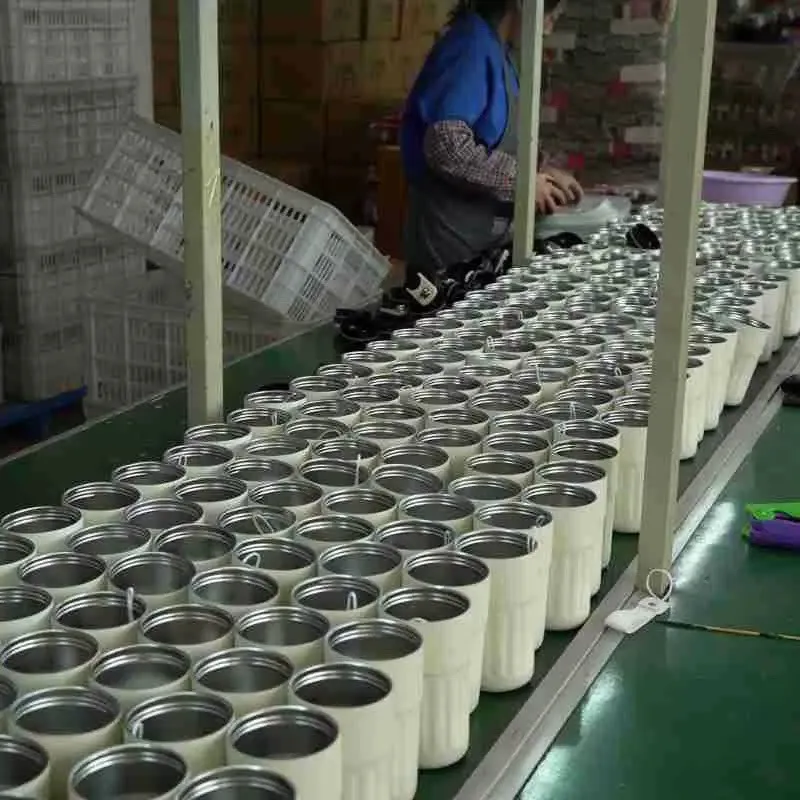
Before production, importers should map every food-contact and relevant non-contact component, define the target market and intended conditions of use, and agree the required declarations, supporting documents, tests, GMP controls, traceability, and change-notification process.
Do not treat “food grade,” a raw-material certificate, or one migration report as proof for every product. The scope must match the final SKU, materials, colors, coatings, lid, gasket, manufacturing site, use condition, and applicable law.
Start with a component and contact map
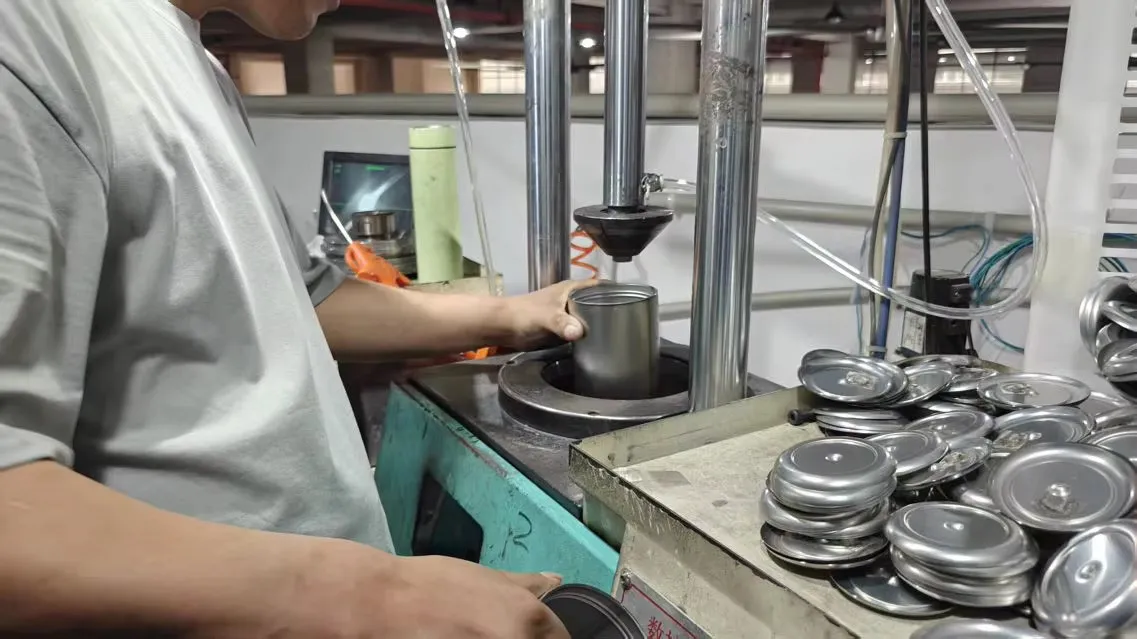
Disassemble the exact product on paper and identify what can contact the beverage directly, indirectly, repeatedly, or under foreseeable misuse. Include body layers, rim, lid, straw, spout, vent, gasket, inner coating, printed measuring marks, adhesives, filters, and accessories.
| Component | Questions to record | Typical supporting information |
|---|---|---|
| Metal body and rim | Grade by layer, weld, finish, passivation or cleaning, intended liquid | BOM, material records, process and finished-article assessment |
| Plastic lid or straw | Resin, colorant, additives, temperature, repeated use, beverage contact | Declaration, substance and migration support, supplier traceability |
| Gasket or valve | Material, color, formulation control, compression, cleaning, repeated contact | Composition declaration, applicable tests, change control |
| Coating or ink | Interior or exterior, contact possibility, cure, abrasion, decorated area | System identity, GMP controls, applicable supporting tests |
| Adhesive or assembly aid | Location, barrier, migration possibility, residue, cleaning | Supplier statement, risk assessment, process restriction |
| Packaging and instructions | Food-contact symbol or use indication, warnings, care, traceability | Approved artwork and market-language file |
Define market and intended use before choosing tests
Requirements differ by jurisdiction and material. Intended use changes the assessment: cold water, hot coffee, acidic juice, fatty beverage, prolonged storage, repeated daily use, dishwasher cleaning, microwave exposure, and use by children are not interchangeable conditions.
Countries, importer or responsible party, sales channel, and applicable legal advice.
Beverage categories, acidity, fat, alcohol, flavor, and foreseeable alternatives.
Temperature, duration, fill level, repeated use, storage, and cleaning cycles.
BPA-free, dishwasher safe, for children, hot-liquid use, or other statements requiring support.
For the EU, the European Commission states that all food-contact materials must comply with Regulation (EC) No 1935/2004 and be manufactured under good manufacturing practice in Regulation (EC) No 2023/2006. Specific EU measures apply to certain materials, including plastics, while other materials may also be governed by national rules.
Build a document stack that matches the finished SKU
Ask what each document proves, who issued it, which legal entity and site it covers, which materials and articles were examined, what date and revision apply, and how it connects to the production lot. A report title is not the scope.
- Product specification and BOM: exact materials, colors, components, suppliers, and revisions.
- Declarations: statements required by applicable rules, signed by the responsible economic operator and linked to supporting documentation.
- Supporting records: substance, migration, composition, risk-assessment, and supplier information appropriate to each material.
- Test reports: sample identity, methods, simulants or conditions, results, conclusions, laboratory, and product scope.
- GMP and traceability records: material approval, production control, cleaning, nonconformance, lot connection, and change notification.
EU food-contact framework buyers should recognize
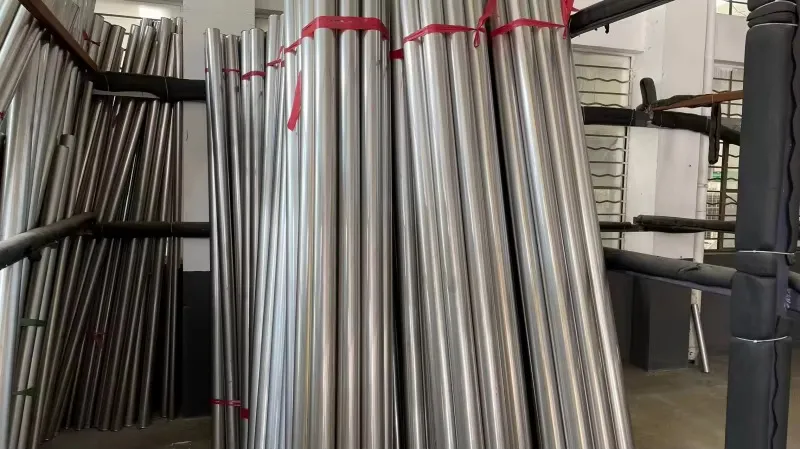
Regulation (EC) No 1935/2004 establishes general safety, inertness, labeling, documentation, and traceability principles for food-contact materials. Commission Regulation (EC) No 2023/2006 requires controlled manufacturing, including documented quality assurance and quality control systems and suitable starting materials.
For plastic materials and articles, Regulation (EU) No 10/2011 provides specific composition and migration rules and has been amended over time, including changes in 2025. BPA and certain other bisphenols are addressed by Regulation (EU) 2024/3190 as corrected by Regulation (EU) 2026/250. Importers should use the current consolidated legal text and competent advice when setting the test and document plan.
The EU BPA transition guide for drinkware explains the July 2026 date and why repeat-use articles need separate treatment from some single-use articles.
What importers should confirm with the manufacturer
| Control | Buyer question |
|---|---|
| Approved materials | How are food-contact materials and suppliers approved for the exact SKU? |
| Receiving | How are identity, lot, documents, and storage status checked? |
| Production | How are mix-ups, contamination, cure, cleaning, and restricted substances controlled? |
| Change | Which material, supplier, color, formulation, site, tool, or process changes require notice and reapproval? |
| Traceability | Can finished cartons be linked back to components, production date, line, and inspection records? |
| Nonconformance | How are suspect materials isolated, investigated, corrected, and reported? |
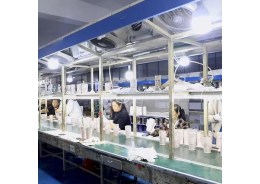
Bluegreen has user-confirmed in-house processes for stainless steel, plastic, and titanium drinkware. This does not mean every material or component is made internally. Use the manufacturing overview and quality-control page to begin the discussion, then request the order-specific component and document map.
Treat every material or design change as a scope decision
A new resin grade, colorant, gasket supplier, coating, ink, adhesive, lid tool, straw material, production site, or intended use can affect the compliance file. The buyer and supplier should define what counts as a material change and who decides whether documents, samples, assessments, or tests must be updated.
- Require prior written notice with affected SKU, component, lot, reason, timing, and existing inventory.
- Review the impact on food-contact scope, mechanical function, claims, packaging, and target markets.
- Approve replacement documents and samples before mixing changed goods into the order.
- Keep old and new revision traceability separate through shipment and retained samples.
Food-contact RFQ checklist for custom drinkware
Send the target countries, exact product and component map, materials and colors, intended beverages and use conditions, claims, document and test expectations, sample plan, change-control requirement, quantity, packaging, and delivery date through Bluegreen’s customization form. Have the responsible importer and qualified adviser confirm the final regulatory scope.
Frequently asked questions
Does 304 stainless steel automatically make a bottle food safe?
No. The grade is one material input. The finished article, welds, surface condition, cleaning, coatings, lid, plastics, gaskets, inks, intended use, and target-market requirements still need assessment and control.
Is a raw-material certificate enough for drinkware import?
Usually not. It can support material identity, but importers also need a product-specific BOM, declarations and supporting documentation, relevant finished-article tests or assessments, GMP controls, traceability, labeling, and change control.
Must every custom color be reviewed again?
A color change can involve new pigments, masterbatch, coating, ink, supplier, formulation, or process. Review whether the existing documentation and tests cover the new material and final SKU before production.
What conditions should a migration test represent?
The plan should reflect the applicable legal method and intended food, temperature, contact time, repeated use, article geometry, and foreseeable conditions. The importer’s qualified adviser or laboratory should confirm the exact program.
Who is responsible for EU food-contact compliance?
Responsibilities depend on the economic operator’s role and applicable law. Manufacturers, importers, distributors, and brand owners should define who prepares declarations, holds supporting documentation, verifies labeling, maintains traceability, and handles changes or corrective action.
References and further reading
- European Commission — Food Contact Materials — Official overview of the EU framework.
- European Commission — Food Contact Materials legislation — Official legislation and GMP overview.
Map the complete food-contact article before testing
Send the target market, product and components, materials, colors, intended use, claims, document and test needs, quantity, packaging, and delivery target.
This guide provides general B2B sourcing information, not legal or laboratory advice. Confirm market-specific requirements, test methods, and acceptance criteria with qualified professionals before production.



 English
 German
 French
 Russian
 Spanish
 Japanese
 Korean
 Portuguese
 Ukrainian
 Arabic
 Italian

Leave A Comment