
Supplier Verification for B2B Drinkware Buyers
How to Evaluate a Stainless Steel Water Bottle Supplier Before a Bulk Order
Do not approve a supplier because the workshop looks busy or the sample looks right. Approve the chain that can reproduce that sample: process knowledge, component ownership, locked references, traceable records, test methods, change handling, and a realistic production plan.
Short answer
Evaluate a stainless steel water bottle supplier by asking it to prove how the exact approved product will be repeated in bulk. Start with model-specific process knowledge, then trace each important claim to the responsible site, component, document, production step, test record, and decision owner.
A strong candidate can explain what it makes, what it buys, what the approved sample locks, how changes are reported, how failed units are handled, and when the production clock starts. If the answers stay vague after reasonable follow-up, pause the order rather than let the sample price make the decision.
Use four steps to test every important supplier claim
A supplier assessment becomes useful when the same reasoning is applied to material, tooling, decoration, testing, packaging, and delivery. Instead of collecting disconnected photos and certificates, move each important statement through four steps.
Write down what the supplier says it can make, control, test, and deliver for your exact model.
Ask for the relevant workstation, sample, drawing, purchase record, test method, or order record.
Connect that proof to the legal entity, site, component, revision, lot, and intended order.
Pass, hold for missing information, or fail the supplier against a requirement set before negotiation.
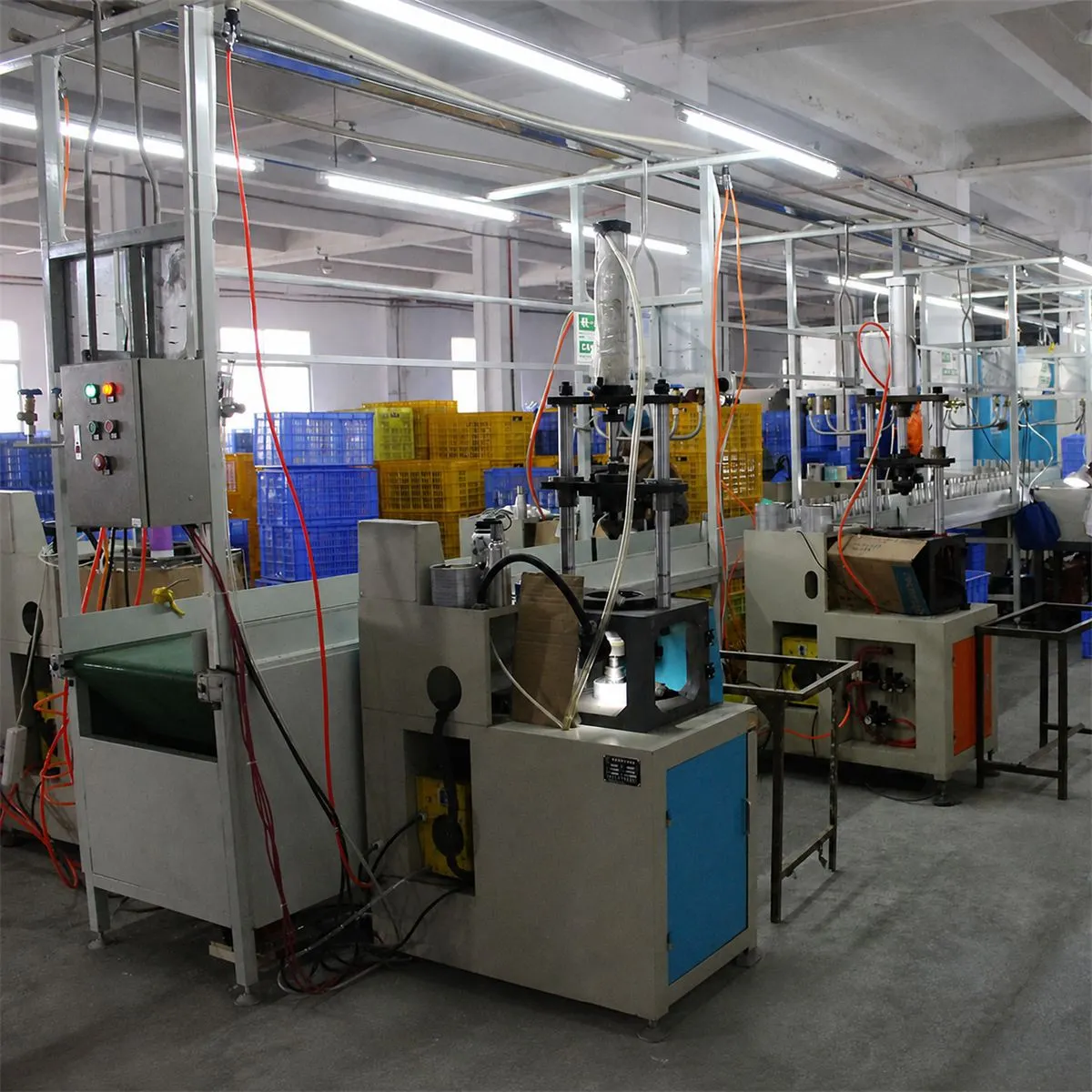
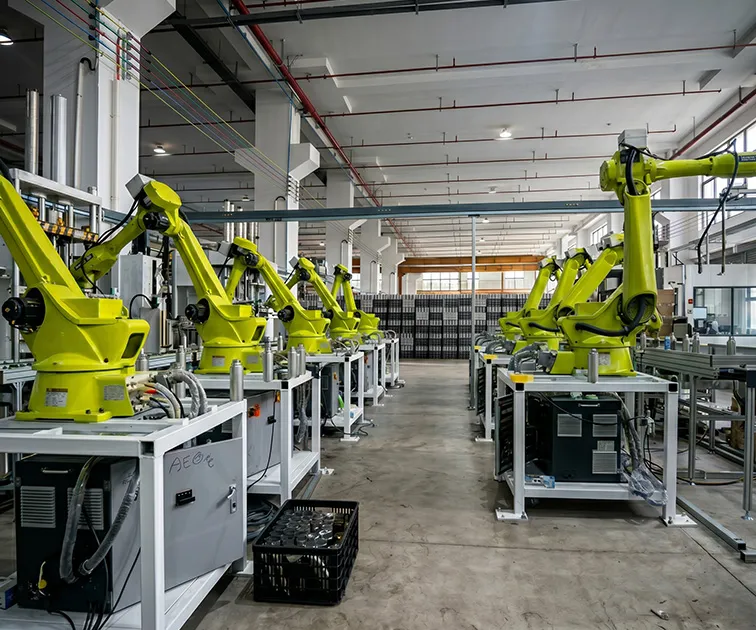
This method keeps the visit focused. A machine proves that a machine is present. It does not prove who operates it, which models run on it, which parameters are controlled, or whether the finished order will match the approved sample.
The first red flag is weak process knowledge
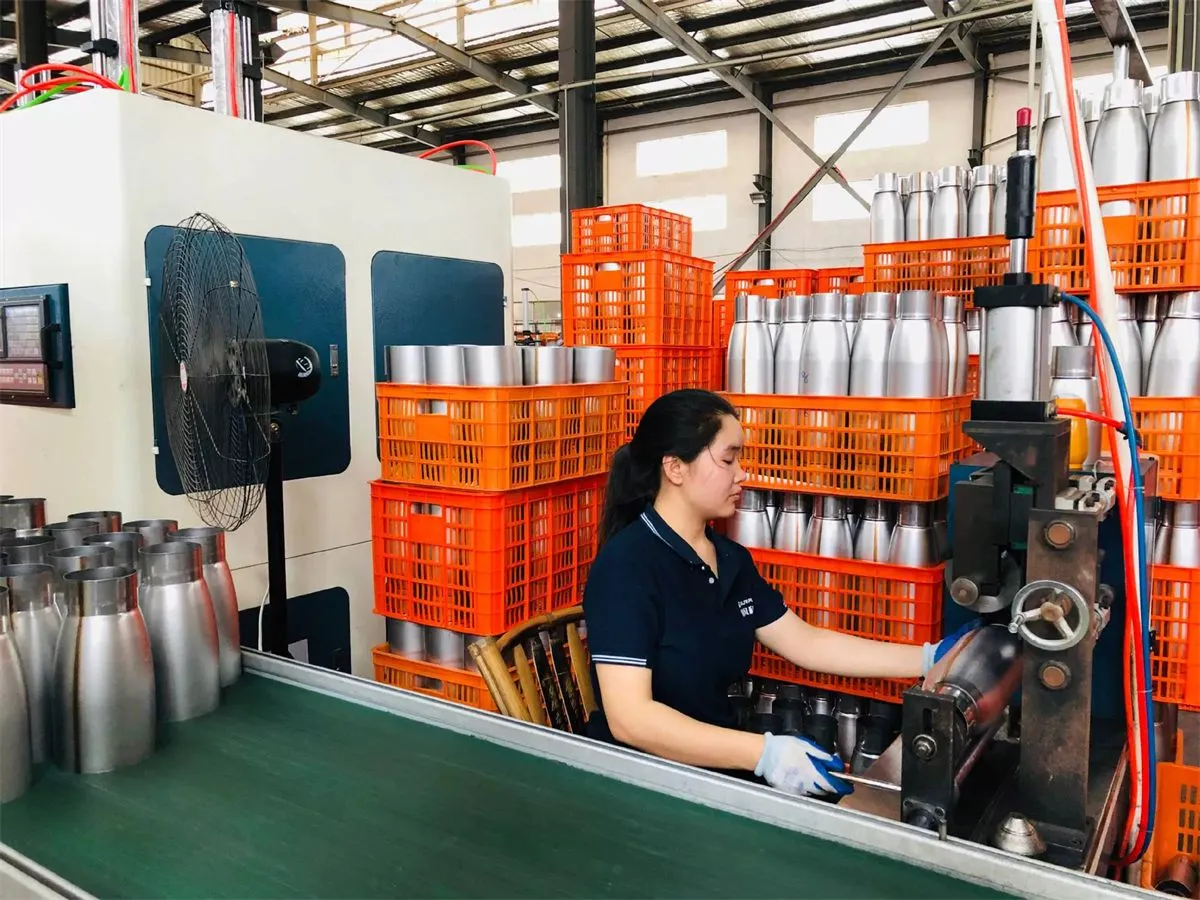
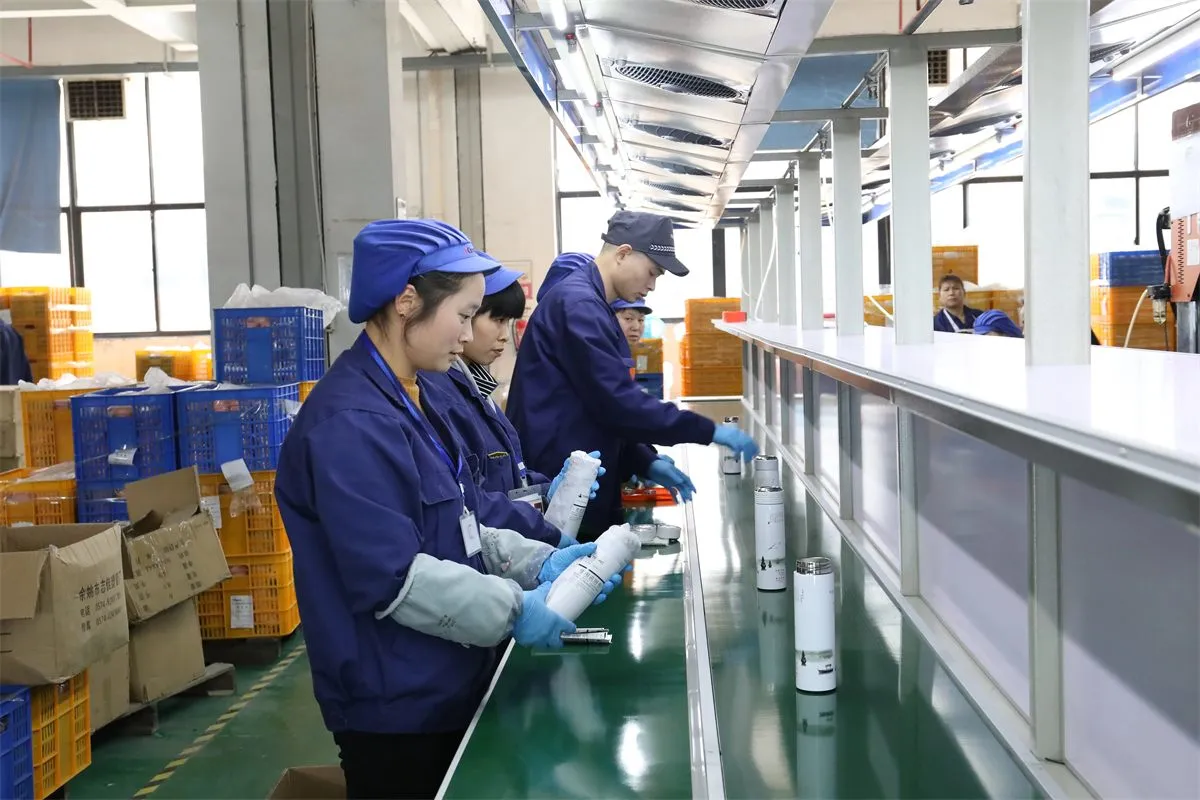
A useful walkthrough has the salesperson or production contact explain the route for the exact bottle, from incoming material to packed carton. The useful part is not a memorized list of equipment. Listen for the decisions between steps: where dimensions can drift, when a lid version changes, what can damage the vacuum result, and how a decoration issue is contained.
In Bluegreen's experience, a supplier that does not understand the production process deeply enough will struggle to answer concrete questions when the order changes or a defect appears. A candid “I need to confirm that with production” is acceptable. Confident but inconsistent answers from different people are not.
“If this model fails at this step, what happens to the unit and which record shows the decision?” The answer reveals more than asking whether the factory has quality control.
Map what the factory controls and what it buys
“Factory direct” should not be interpreted as “every part and material is made under one roof.” The buyer needs an accurate boundary because a supplied component can still be controlled well, while a claimed in-house process can still be poorly managed.
Verify the route at the quoted site
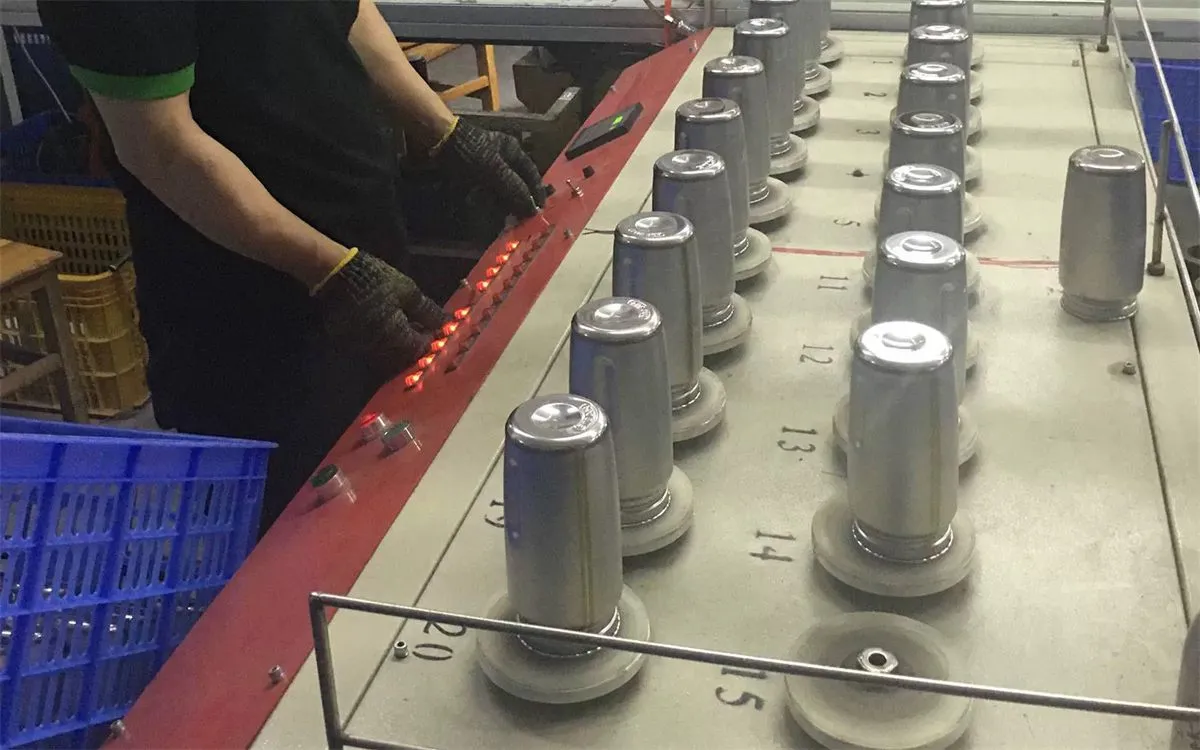
For the selected bottle, identify body forming, joining, vacuum processing, polishing, finishing, decoration, assembly, and inspection steps that occur at the site.
Bluegreen controls the relevant drinkware body processes for its programs, but the exact route still depends on the model.
Verify incoming parts and materials
Gaskets, powder coating material, and packaging materials are normally provided by suppliers. Lids may be made in-house or supplied, depending on the model.
Check specification, approved source, incoming identification, change notification, and lot connection rather than demanding a misleading “all in-house” promise.
For stainless steel, ask for purchase documents that connect the stated raw material to the production period and product scope. Confirm grade by component instead of relying on a vague bottle-level statement. The 304 versus 316 bottle guide explains why that wording matters.
The Bluegreen factory overview is a starting point. Your order review should still connect each claim to the chosen product and responsible production site.
Lock the production reference before the line starts
A polished sample can create false confidence if nobody records what it represents. Bluegreen's working approval set includes the physical sample, logo artwork and dimensions, color, packaging, lid, and product weight. Those items need one revision-controlled production reference, not six approvals scattered across email and chat.
When a production change is needed, Bluegreen notifies the customer first. The purchase order should define who receives that notice, which changes require a new sample or test, and what response permits the order to continue. The approved-sample change-control guide covers that handoff in detail.
A missing dot shows why first-production approval matters
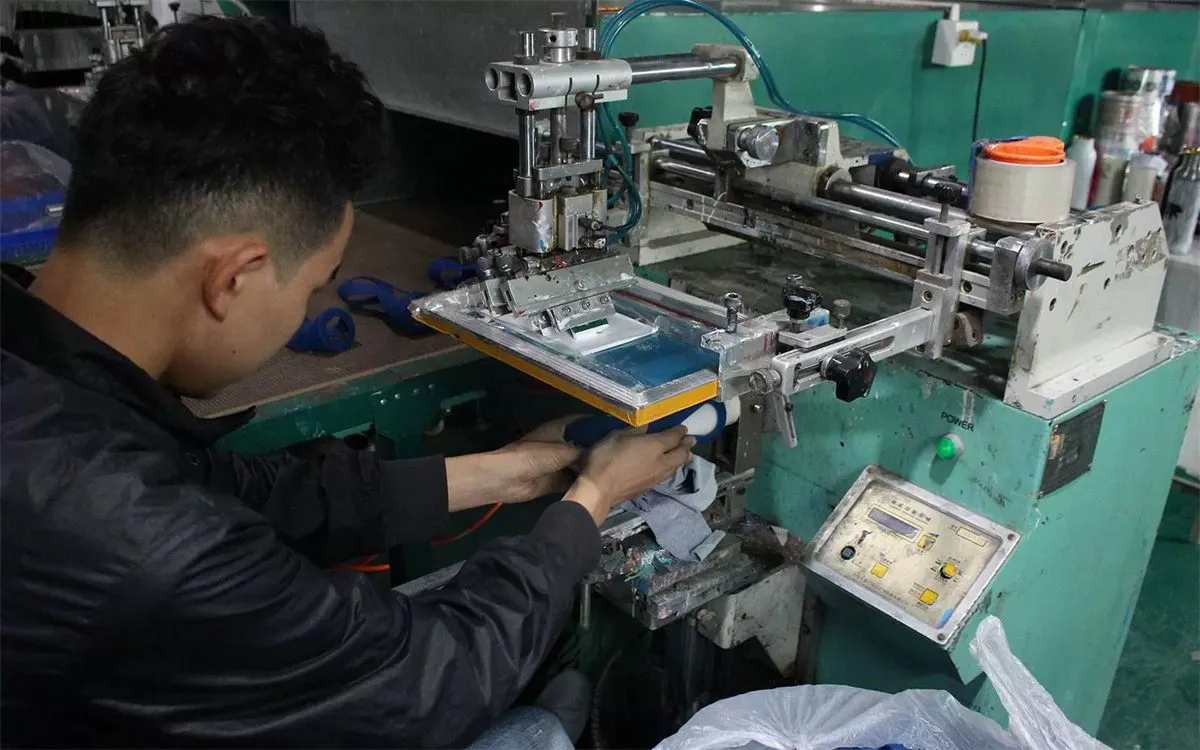
One dot was missing from the approved logo.
The defect was small in area but not small in consequence. The affected batch had to be stripped and reworked.
The disclosed facts do not establish batch size, cost, final yield, or root cause. They do establish the control lesson: compare the first production pieces with the final artwork before a repeated decoration error spreads through the batch.
During supplier evaluation, trace where the artwork is converted for production, who checks fine lines and small isolated elements, how logo dimensions and position are measured, and how the first acceptable piece is linked to the full run. If the supplier treats the approved image as a visual suggestion, the order is not ready.
Also ask for the containment rule. Stopping the line, separating affected units, notifying the customer, and recording the next decision are different controls. The tumbler rework versus remake guide explains why stripping and recoating are not always the safest path.
Connect quality claims to the exact product and record
An inspection room and a list of test names are not enough. For the proposed model, follow one requirement from the approved reference to the test method, result, failed-unit disposition, and release decision. A blank record shows which checkpoints were planned before production begins; a completed example, with confidential customer details removed if necessary, shows whether those checkpoints were actually used.
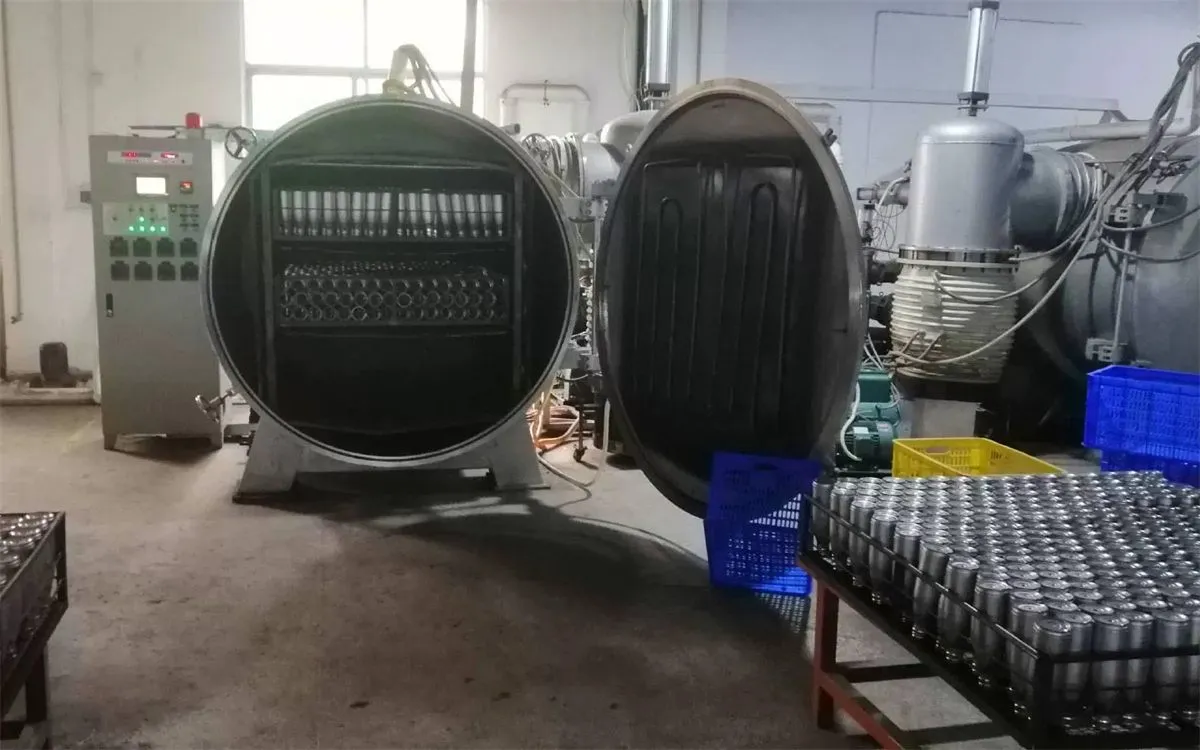
Bluegreen checks every insulated tumbler for vacuum performance. Coatings or logos are put through dishwasher cycle testing when the customer requires it. These statements should still become order language: identify the model, method, acceptance rule, reporting need, and what happens to a failed unit. Do not let “tested” substitute for those details.
Raw-material purchase documents can support traceability, but they must connect to the relevant component and production period. The same logic applies to lids, gaskets, powder coating material, and packaging. Review the drinkware quality-control process, then select only the checks that fit the order.
Challenge capacity without asking for one headline number
Annual output helps describe scale, but it does not reserve a production slot. The factory reports annual output around 8 million pieces. Ask how much of the relevant line is available for the selected body, finish, lid, quantity, packaging, and shipping month.
Its typical production lead time is about 7 to 35 days depending on the product, order quantity, customization, and confirmed production plan. The production clock starts from final production order confirmation, not from an early inquiry or incomplete artwork submission. MOQ is model-specific.
A credible supplier will qualify the answer rather than promise the shortest number for every product. That qualification is useful information, not sales weakness.
Finish with a pass, hold, or fail decision
Do not average away a requirement that can stop the order. Low price cannot compensate for an unapproved lid, unexplained material, missing reference sample, or a supplier that cannot describe what happens when the product fails.
Pass
The supplier explains the route, identifies supplied components honestly, links claims to records, locks the reference, and accepts the agreed change and failure rules.
Hold
The capability may exist, but an order-level link is missing. Record the open item, owner, acceptable proof, and decision date before paying for bulk production.
Fail
Reject the candidate when a requirement is contradicted, hidden, repeatedly unanswered, or represented with proof that belongs to another entity, site, product, or period.
For a new supplier or a complex design, use a controlled pilot that contains the intended material, lid, finish, logo, packaging, inspection route, and shipping handoff. A simplified pilot may test a different process and give false reassurance.
Send each candidate the same product information through the custom drinkware RFQ checklist. Then use Bluegreen's customization inquiry form for a model-specific production review.
Frequently asked questions
What is the biggest red flag when evaluating a stainless steel bottle supplier?
A major red flag is the supplier's inability to explain the exact product's manufacturing route or answer concrete process questions. Checking details with production is reasonable. Repeatedly vague, contradictory, or overconfident answers suggest that sales claims are not connected to operational control.
Do factory machines prove that a supplier can make my bottle?
No. Equipment proves that a machine is present. Buyers should still verify the model, tooling, operator knowledge, controlled parameters, production records, inspection method, capacity allocation, and failed-unit disposition for the proposed order.
Does a drinkware factory need to make every component in-house?
No. At Bluegreen, gaskets, powder coating material, and packaging materials are normally supplier-provided, while lids may be made in-house or supplied depending on the model. Accurate ownership and incoming controls matter more than an all-in-house claim.
What should an approved stainless steel bottle sample lock?
At minimum, lock the physical reference sample, model and structure, logo artwork and dimensions, color, packaging, lid, and product weight. Add order-specific materials, dimensions, accessories, tests, appearance limits, and change rules where relevant.
How can a buyer verify vacuum testing?
Ask which units are tested, the method and equipment used, the acceptance rule, how results are recorded, and what happens to failed units. Bluegreen checks every insulated tumbler for vacuum performance, but the exact model and reporting requirement should still be written into the order.
When does production lead time start for a custom bottle order?
At Bluegreen, the production lead-time clock starts from final production order confirmation. Typical production is about 7 to 35 days, but the model, quantity, customization, material and lid availability, approvals, test plan, packaging, and confirmed schedule can change the actual date.
Test the supplier against one controlled bottle specification
Send the reference model, material by component, lid, gasket, finish, logo file and size, color, confirmed weight, packaging, test requirements, quantity, destination, and target date. Bluegreen can map the production route and identify open decisions before bulk production.
This guide provides general B2B sourcing information, not legal or laboratory advice. Confirm market-specific requirements, test methods, and acceptance criteria with qualified professionals before production.


 English
 German
 French
 Russian
 Spanish
 Japanese
 Korean
 Portuguese
 Ukrainian
 Arabic
 Italian

Leave A Comment