
Material Selection Guide for B2B Buyers
304 vs 316 Stainless Steel Water Bottles: Which Material Should Your Brand Choose?
The right answer depends on the liquid, cleaning routine, sales environment, component design, and verification plan, not on choosing the highest grade number.
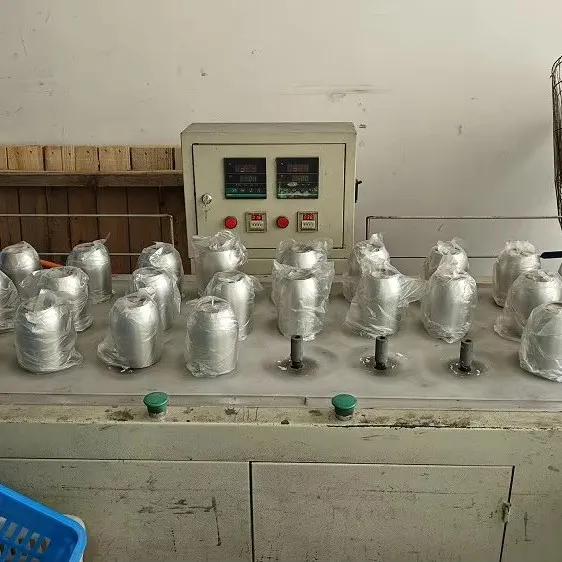
Short answer
304 stainless steel is the practical default for most reusable water bottles, travel tumblers, and routine beverage programs. Specify 316 when the bottle’s wetted components need greater resistance to chloride-rich, acidic, or otherwise demanding service, and when that benefit justifies the higher material input cost.
316 is not automatically the better commercial choice. It does not, by itself, make a bottle insulate longer, pass food-contact requirements, resist every form of corrosion, or prove that the finished product matches the purchase order. Buyers should select the grade by intended use and verify it by component.
304 vs 316 stainless steel water bottles at a glance
| Decision factor | 304 stainless steel | 316 stainless steel |
|---|---|---|
| Typical alloy distinction | Chromium-nickel austenitic stainless steel; widely used as a general-purpose grade. | Chromium-nickel-molybdenum austenitic stainless steel; molybdenum improves resistance in many chloride-bearing environments. |
| Practical drinkware fit | Most water, coffee, tea, and everyday reusable bottle programs when product design, forming, welding, passivation, cleaning, and use are properly controlled. | Programs with a documented need for additional corrosion resistance, especially on surfaces that contact the beverage. |
| Cost direction | Usually the more economical option and easier to source at scale. | Usually carries a higher raw-material cost; the finished-unit difference depends on which components use it. |
| Insulation performance | Neither grade guarantees better heat retention. Vacuum quality, wall geometry, lid sealing, and manufacturing control are more important. | |
| Food-contact status | The grade name alone is not a finished-product compliance certificate. The complete article must meet applicable market and food-contact requirements. | |
| Best purchasing instruction | State the grade for each relevant component, such as inner wall, outer shell, rim, and metal accessories, plus the evidence and acceptance method. | |
This comparison is a selection framework, not a universal pass/fail rule. The actual service environment, fabrication route, surface condition, cleaning chemistry, storage time, and product architecture can change the result.
What actually changes between 304 and 316?
Both are austenitic stainless steels. Published manufacturer data for representative grades shows 304 as a chromium-nickel alloy, while 316 adds roughly 2% molybdenum and typically contains somewhat more nickel. That molybdenum addition is the main reason 316 is often selected for improved resistance to localized corrosion in challenging environments.
For a bottle buyer, the important translation is simple: 316 can offer a larger corrosion-resistance margin, but the value of that margin depends on what the product will actually hold and how it will be used. A specification should therefore begin with use conditions, not with a marketing claim such as “premium steel.” To see where material decisions fit into cutting, forming, vacuum insulation, and finishing, review Bluegreen’s stainless steel drinkware manufacturing process.
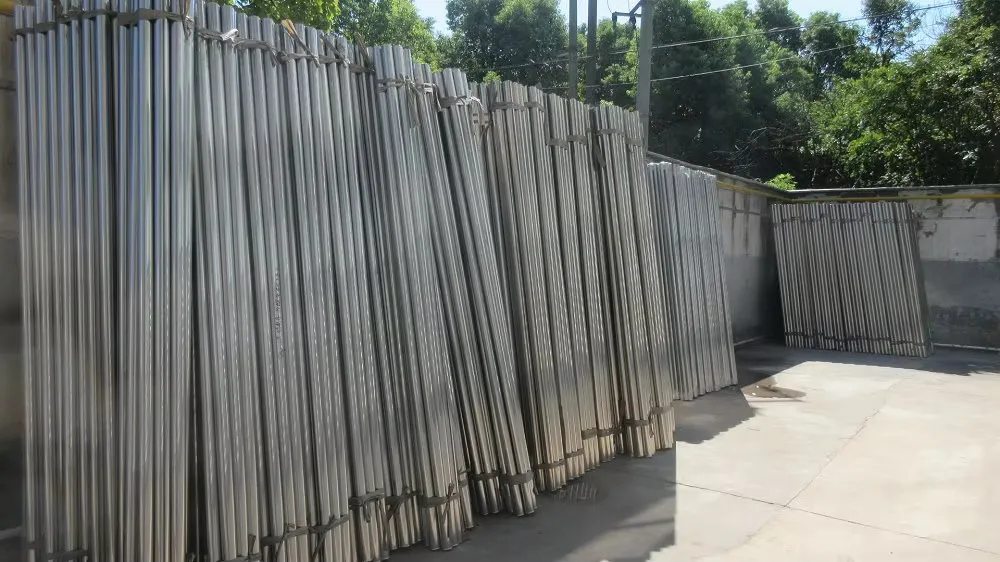
When 304 is usually the practical choice
For many mainstream custom drinkware projects, 304 offers an effective balance of formability, corrosion resistance, availability, and price. It is commonly considered first for reusable bottles and tumblers intended for ordinary water, coffee, tea, and similar beverages under normal consumer care. Buyers can review available vacuum flask and insulated bottle formats before locking the model and component-level material specification.
304 is often the commercially sensible choice when:
- the product is designed for routine beverages rather than prolonged exposure to unusually salty or aggressive contents;
- the program is price-sensitive or requires broad model availability and repeat-order continuity;
- the brand has clear use-and-care instructions, including prompt cleaning and avoiding extended storage of unsuitable liquids;
- the supplier controls forming, welding, polishing, cleaning, and surface treatment consistently; and
- the grade and finished-product requirements are independently defined and checked.
Choosing 304 does not mean lowering quality. A well-engineered and well-controlled 304 bottle can be more appropriate than a poorly fabricated bottle carrying a 316 claim. Material grade is one input in a larger quality system.
When 316 may be worth specifying
316 becomes relevant when the application requires an additional corrosion-resistance margin and the buyer can define why. Examples may include frequent exposure to chloride-bearing liquids, more demanding cleaning regimes, coastal or marine-use positioning, or a premium specification whose material story must be supported by evidence.
Before paying for 316, answer four questions:
Define beverages, ingredients, concentration, temperature, and expected contact time.
The inner wall may matter more than a non-wetted outer shell.
Connect the grade decision to a specific use condition, claim, or buyer requirement.
Agree on documents, traceability, sampling, and analytical acceptance before production.
A mixed construction can be a rational option for applicable designs. For example, a 316 inner wall and a 304 outer shell concentrates the upgraded alloy on the beverage-contact surface. It must be confirmed model by model; forming behavior, welding, dimensions, finish, and supply availability still need engineering review.
What the stainless steel grade does not decide
It does not determine insulation time
In a vacuum-insulated bottle, thermal performance depends primarily on the double-wall architecture, vacuum integrity, thermal bridges, wall geometry, lid and gasket sealing, and process consistency. Switching from 304 to 316 without addressing those variables is not a reliable way to improve heat or cold retention.
It does not prove finished-product food-contact compliance
European Commission guidance makes clear that food-contact articles, including metals, must comply with the general safety and inertness principles of Regulation (EC) No 1935/2004 and be manufactured under good manufacturing practice. A material designation or mill document does not replace assessment of the finished article, its coatings, plastic components, gaskets, inks, adhesives, and intended conditions of use.
It does not guarantee a corrosion-free product
No stainless steel should be marketed as universally “rust-proof.” Fabrication contamination, poor weld treatment, unsuitable cleaning chemicals, retained salts, damaged surfaces, crevices, and misuse can undermine performance. The grade should be paired with suitable process control and care guidance.
How to verify 304 or 316 before bulk production
A robust verification plan has layers. It should link what was quoted to what was ordered, received, manufactured, and shipped, while fitting into the supplier’s documented drinkware quality-control process.
- Define the component-level specification. State the required grade for the inner wall, outer shell, rim, base, straw, and other metal parts where relevant. Avoid a vague line that says only “bottle: 316.”
- Name the applicable material designation. Agree on the recognized grade and material-product standard relevant to the sheet, strip, or tube being supplied. ASTM A240/A240M, for example, is a specification for chromium and chromium-nickel stainless plate, sheet, and strip; citing it is not the same as proving food-contact compliance.
- Request traceable documentation. Ask how mill or supplier certificates connect to incoming coils or tubes, production batches, and the purchase order. Documents should be reviewed for scope rather than accepted by filename alone.
- Agree on analytical verification. For higher-risk or 316-specified orders, define an appropriate elemental-analysis method, sampling plan, responsible party, and acceptance rule before production.
- Control material through the factory. Require identification and segregation practices that reduce the risk of grade mixing during storage, forming, welding, polishing, and assembly.
- Inspect the finished lot separately. Material identity, workmanship, leak performance, insulation performance, finish, dimensions, odor, packaging, and applicable compliance checks solve different risks and should not be collapsed into one certificate.
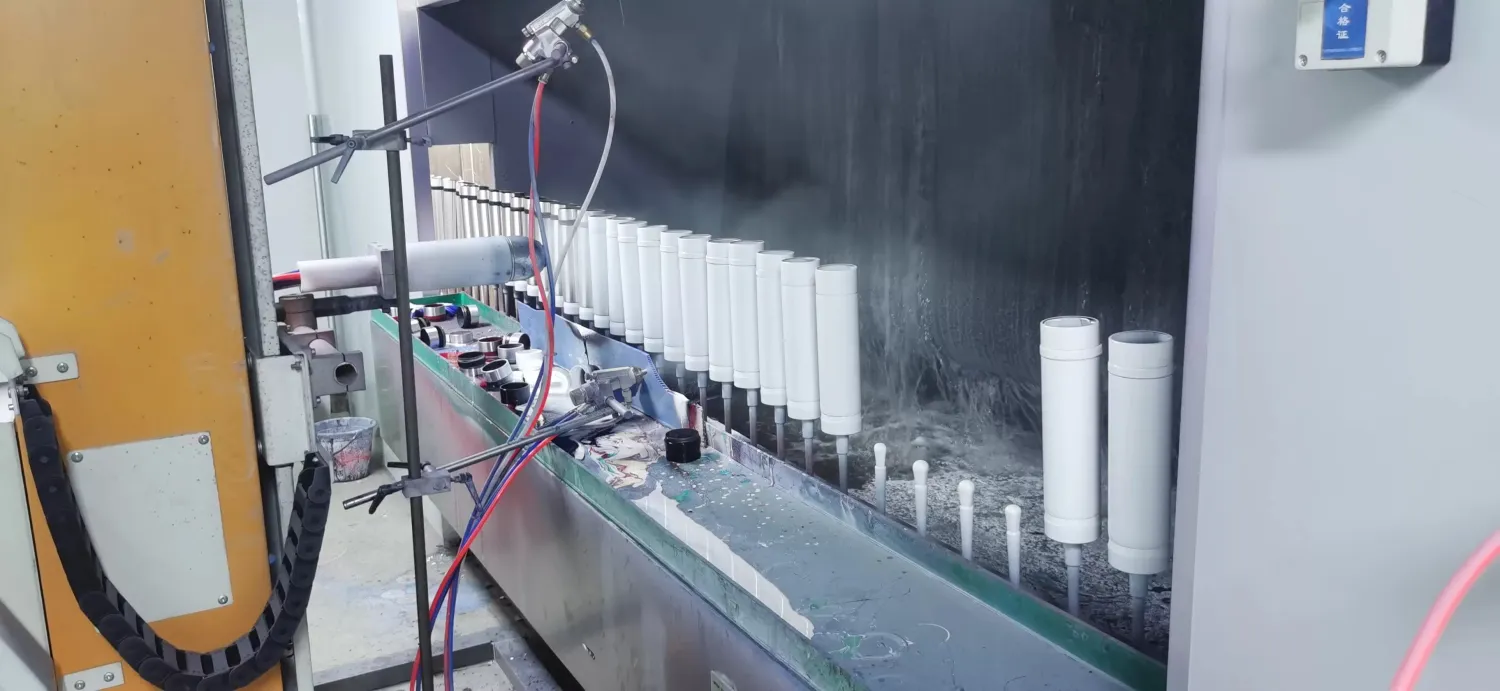
How the grade choice affects cost and your RFQ
316 generally has a higher material input cost because of its alloy content, but there is no responsible universal percentage premium for a finished bottle. The actual difference changes with commodity prices, sheet or tube gauge, product size, scrap yield, order quantity, component coverage, supplier availability, and whether only the inner wall or multiple parts are upgraded.
To receive comparable quotations, send every supplier the same decision-ready specification:
| RFQ field | What to state | Why it matters |
|---|---|---|
| Intended market and use | Sales countries, beverage types, contact time, temperature, cleaning expectations | Connects material and testing to realistic conditions. |
| Component grades | Inner wall, outer wall, base, rim, and metal accessories | Prevents a “316 bottle” claim that covers only one undefined part. |
| Product configuration | Model, capacity, dimensions, lid, straw, handle, finish, and logo | Controls tooling, decoration, assembly, and cost. |
| Evidence | Required documents, analytical checks, sampling, and third-party involvement | Makes verification quotable instead of an afterthought. |
| Commercial terms | Quantity, packaging, delivery target, shipping terms, and inspection point | Allows meaningful comparison of MOQ, lead time, and landed risk. |
Ask for two priced options when the application is not yet settled: a controlled 304 construction and the applicable 316 or mixed-grade alternative. Compare the risk reduction and verification scope, not just the unit price.
Five sourcing mistakes that create avoidable risk
- Using “food grade” as the entire specification. It does not define a recognized grade, component scope, finished-product requirement, or test condition.
- Assuming every metal part uses the advertised grade. Inner and outer walls may be specified differently. Ask for a bill-of-materials-level declaration.
- Believing 316 automatically means better insulation. Grade and thermal construction answer different questions.
- Accepting a magnet video as proof. Cold work can affect magnetic response, and the test is not sufficiently specific for 304-versus-316 acceptance.
- Requesting documents after the goods are finished. Verification method, sample selection, and remedies should be agreed before the purchase order and bulk production.
How Bluegreen supports a material decision
Bluegreen manufactures stainless steel drinkware and can discuss 304, 316, or mixed-grade options for applicable bottle and tumbler models. Its custom drinkware development services begin with the target market, intended liquid, product structure, component-level grade, finish, decoration, quantity, packaging, and verification requirements.
MOQ is model-specific. Typical production lead time is approximately 7-35 days depending on the product, order quantity, customization, and confirmed production plan. These ranges should be confirmed in the quotation rather than treated as a promise for every order.
For a faster material review, send: target country, intended beverage, bottle model and capacity, inner/outer steel requirement, order quantity, logo and finish, packaging, required evidence, and delivery target.
Frequently asked questions
Is 316 stainless steel always better than 304 for water bottles?
No. 316 offers improved corrosion resistance in many demanding environments, but 304 is a practical and widely used choice for routine drinkware. The better option is the grade that matches the intended liquid, cleaning, component design, budget, and verification plan.
Does 316 keep drinks hot or cold longer than 304?
Not by grade alone. Insulation performance depends mainly on vacuum integrity, double-wall geometry, lid and gasket sealing, thermal bridges, and manufacturing consistency.
Is 304 stainless steel suitable for food-contact drinkware?
304 is widely used in food and beverage applications, but a grade name does not certify the finished bottle. The complete product and all food-contact components must meet the applicable requirements for the target market and intended use.
Can a bottle use a 316 inner wall and a 304 outer wall?
Yes, this can be a rational specification for applicable designs because the upgraded alloy is placed on the beverage-contact surface. The manufacturer must confirm that the model, forming, welding, finish, and supply plan support the construction.
Can a magnet distinguish 304 from 316 stainless steel?
No, not reliably. Cold-worked austenitic stainless steel can show magnetic response. Distinguishing 304 from 316 should rely on traceable documentation and an appropriate analysis method capable of assessing alloy chemistry.
Why does a 316 bottle usually cost more?
316 normally has a higher alloy input cost. The finished-unit difference varies with material prices, gauge, quantity, yield, model, and whether 316 covers only the inner wall or several components.
What should I put in an RFQ for a 304 or 316 bottle?
State the intended market and beverage, model, capacity, grade by component, quantity, finish and logo, packaging, required documents or analysis, inspection plan, shipping terms, and target delivery date.
Bottom line
For most conventional custom water bottle programs, 304 is the sensible starting point. Choose 316 where a defined use condition calls for additional corrosion resistance, and consider whether that upgrade is needed on the inner wall rather than every metal component. In either case, turn the grade claim into a component-level specification with traceability and an agreed verification plan.
Need a component-level material recommendation?
Send Bluegreen your target market, intended beverage, model and capacity, grade preference, quantity, finish, logo, packaging, evidence requirements, and delivery target. We can review applicable construction options before you confirm the RFQ.
Technical references
- Outokumpu, Core range data for representative 304 / EN 1.4301 composition and applications
- Outokumpu, Supra range data for representative 316 / EN 1.4401 composition and corrosion resistance
- Outokumpu, overview of austenitic stainless steel types
- ASTM International, ASTM A240/A240M specification scope
- European Commission, food-contact materials overview
- European Commission, food-contact materials legislation
- British Stainless Steel Association, cold work and magnetic permeability
- British Stainless Steel Association, on-site grade sorting methods
This guide is for procurement planning and is not legal, regulatory, or laboratory advice. Confirm current requirements with qualified compliance professionals and accredited testing providers for each target market and product.


 English
 German
 French
 Russian
 Spanish
 Japanese
 Korean
 Portuguese
 Ukrainian
 Arabic
 Italian

Leave A Comment