
Atomization and film formation
Nozzle size, air pressure, viscosity, spray distance, overlap, and body motion determine droplet size, wet-film build, leveling, and the risk of orange peel, runs, or dry spray.

Spray painting for tumblers atomizes a liquid coating and deposits it onto a prepared stainless steel body in controlled passes. Depending on the paint system, the layer then flashes, dries, or cures before inspection and decoration. Surface preparation, viscosity, atomization, gun distance, body rotation, film build, environment, curing, and handling determine the final color and finish.
Spray Painting for Stainless Steel Tumblers: Process, Finish Options, and Quality Control should be approved on the actual product material and geometry before bulk production. Confirm color or artwork, coverage area, surface preparation, tolerance for shade or placement, durability test method, packaging protection and the signed sample used as the production reference.

Process overview
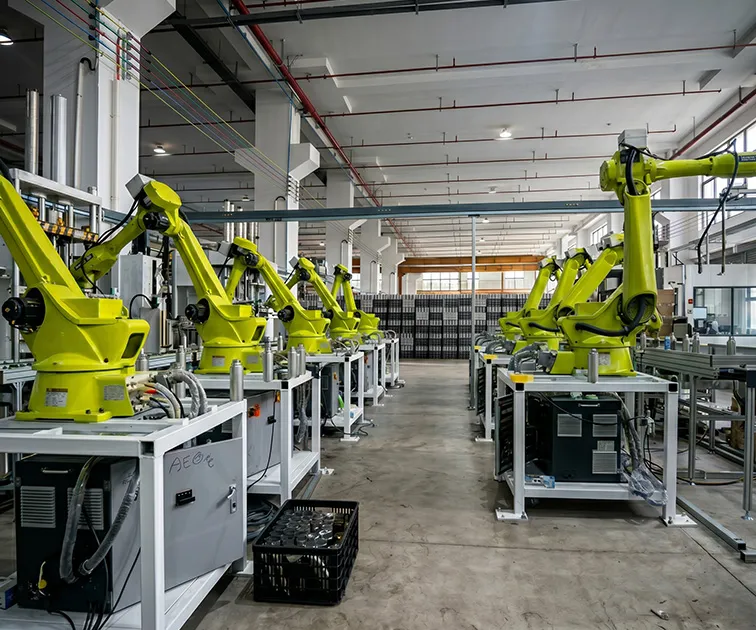
A typical route cleans and prepares the metal, applies any required primer or base coat, atomizes liquid paint through a spray gun while the body is held or rotated, allows the layer to flash or level, and then dries or cures it. Additional color or protective layers may follow. The exact sequence depends on the coating system and target effect.
Nozzle size, air pressure, viscosity, spray distance, overlap, and body motion determine droplet size, wet-film build, leveling, and the risk of orange peel, runs, or dry spray.

Oil, dust, moisture, poor cleaning, booth contamination, temperature, and humidity can affect adhesion and visible finish. The prepared substrate and application environment must remain controlled.

The coating needs the specified time between layers and the correct dry or cure route. Early handling, insufficient cure, or excessive heat can change gloss, hardness, color, adhesion, or surface appearance.
Finish construction
Liquid spray systems can create several effects, but each uses a different combination of pigment, particle, base coat, film thickness, spray technique, and curing. A “painted tumbler” specification is incomplete until the finish construction and accepted appearance are defined.

A smooth gloss requires good surface preparation, wet-film leveling, controlled thickness, clean application, and cure. Dust, orange peel, runs, scratches, and carton rubbing are especially visible.
Matting agents and film structure reduce reflection. Uneven mixing, spray build, cure, or rubbing can create inconsistent gloss, burnishing, or color depth across the body.
Reflective-particle orientation changes with spray angle, overlap, film thickness, and body movement. The same formula can look lighter or darker when application geometry changes.
A gradient uses controlled overlap between colors. Transition height, direction, width, rotation, and logo zone need a separate approval standard; the detailed control method belongs in the dedicated gradient-painting guide.
Process boundary
Spray painting applies an atomized liquid layer that flashes, dries, or cures. Powder coating uses charged dry particles followed by oven curing. Liquid paint generally supports a wider range of smooth gloss, pearl, metallic, and layered effects, while powder has different application, texture, film, and cure behavior. The routes should not share one generic defect standard.
| Decision point | Spray painting | Powder coating | Buyer should confirm |
|---|---|---|---|
| Color effect | Liquid solid colors, smooth gloss or matte, pearl, metallic, and layered transition effects. | Dry-powder solid colors and matte or textured finishes with a different film and cure profile. | Approved physical finish, coating construction, gloss or texture, color reference, and accepted production range. |
| Surface feel | Surface feel depends on resin, solvent or carrier, atomization, leveling, film thickness, and cure. | Texture and grip depend on powder formulation, particle behavior, spray build, flow-out, and curing. | Physical sample plus agreed gloss, texture, film and handling expectations for the selected route. |
| Logo compatibility | Decoration compatibility depends on the cured paint, surface energy, texture, logo ink or process, and required durability. | Decoration options depend on powder type, film build, contrast, engraving response, and printing or decal adhesion. | Test the intended logo process on the actual cured coating and inspect adhesion, contrast, edge clarity, and position. |
| Bulk risk | Requires control of contamination, runs, sagging, dry spray, orange peel, color or gloss drift, cure, handling, and packing contact. | Requires control of pretreatment, grounding, electrostatic coverage, film thickness, texture, edge zones, oven cure, and handling. | Use process-specific defect limits, a physical sample, defined inspection lighting, sampling rules, and a packaging trial. |
For a deeper process comparison, review spray painting vs powder coating for custom drinkware.
Production control
Repeatability depends on holding the prepared body, coating material, mix and viscosity, gun setup, atomizing air, spray distance, overlap, rotation, booth environment, flash-off, cure, and inspection conditions within the approved process range. Final inspection cannot compensate for an unstable application route; it can only detect the variation that the process creates.
Production sequence
The process sequence must match the coating system and finish target. A physical sample should record the complete route rather than color alone, because changing preparation, layers, spray settings, flash-off, cure, or handling can produce a visibly different result from the same nominal paint formula.
Clean and pretreat the body, confirm protected zones and fixture contact, and apply any compatible primer required by the paint system.
Control component ratio, mixing, viscosity, nozzle, air, paint flow, spray distance, overlap, body motion, and wet-film build.
Allow the required intercoat or flash time, then dry or cure the film using the approved time and temperature conditions.
After cooling or conditioning, inspect the complete body and protect it from fixtures, handling, decoration, sleeves, inserts, and carton contact.
If your team is preparing a color sample order, use this related guide: how to approve custom drinkware color samples before bulk orders.
Process specification
Orange peel or uneven leveling can come from viscosity, atomization, nozzle condition, air pressure, gun distance, spray overlap, film thickness, flash-off, booth temperature, solvent balance, or curing. The supplier should trace the defect to the process input rather than hide it by broadening the visual tolerance after production.
Variation can come from paint batch, mixing, viscosity, film thickness, base coat, spray overlap, body rotation, flash-off, cure, temperature, humidity, metallic-particle orientation, or inspection lighting. The physical approval sample should define both the target and an agreed production range, especially for pearl, metallic, matte, or layered effects.
A Pantone reference can start color development, but final approval should use the actual coating system on the selected tumbler body. Record the primer or base, film construction, gloss or texture, curing route, lighting, measurement method when used, and acceptable visual range. Screen images alone cannot control the finished appearance.
Check contamination, dust, runs, sags, dry spray, orange peel, pinholes, bubbles, exposed edges, thin or heavy film, color or gloss variation, metallic mottling, scratches, fixture marks, cure problems, logo defects, and packing rub. Inspection should cover several positions around the body and compare the lot with the approved sample.
Related Process Guides

Compare finish route, logo fit, durability risk, and bulk order confirmation points.

Review what buyers should confirm before choosing matte powder coated drinkware.

Use a structured sample check before confirming mass production colors and logos.
Process Specification
Send the tumbler model, coating construction, color and finish reference, logo process, quantity, packaging materials, inspection method, and approved sample requirement. Bluegreen can review the application route, process variables, likely defect risks, and controls needed before bulk spray painting.

Innovation and pragmatic pursuit of excellence



 English
 German
 French
 Russian
 Spanish
 Japanese
 Korean
 Portuguese
 Ukrainian
 Arabic
 Italian