
Factory Guide · Color Control
Colored Tumblers: How Color Tolerance Affects Cost, Quality, and Lead Time
A color target is not complete until the buyer and factory agree on the physical master, comparison method, acceptable variation and action when a batch does not match.
Short answer
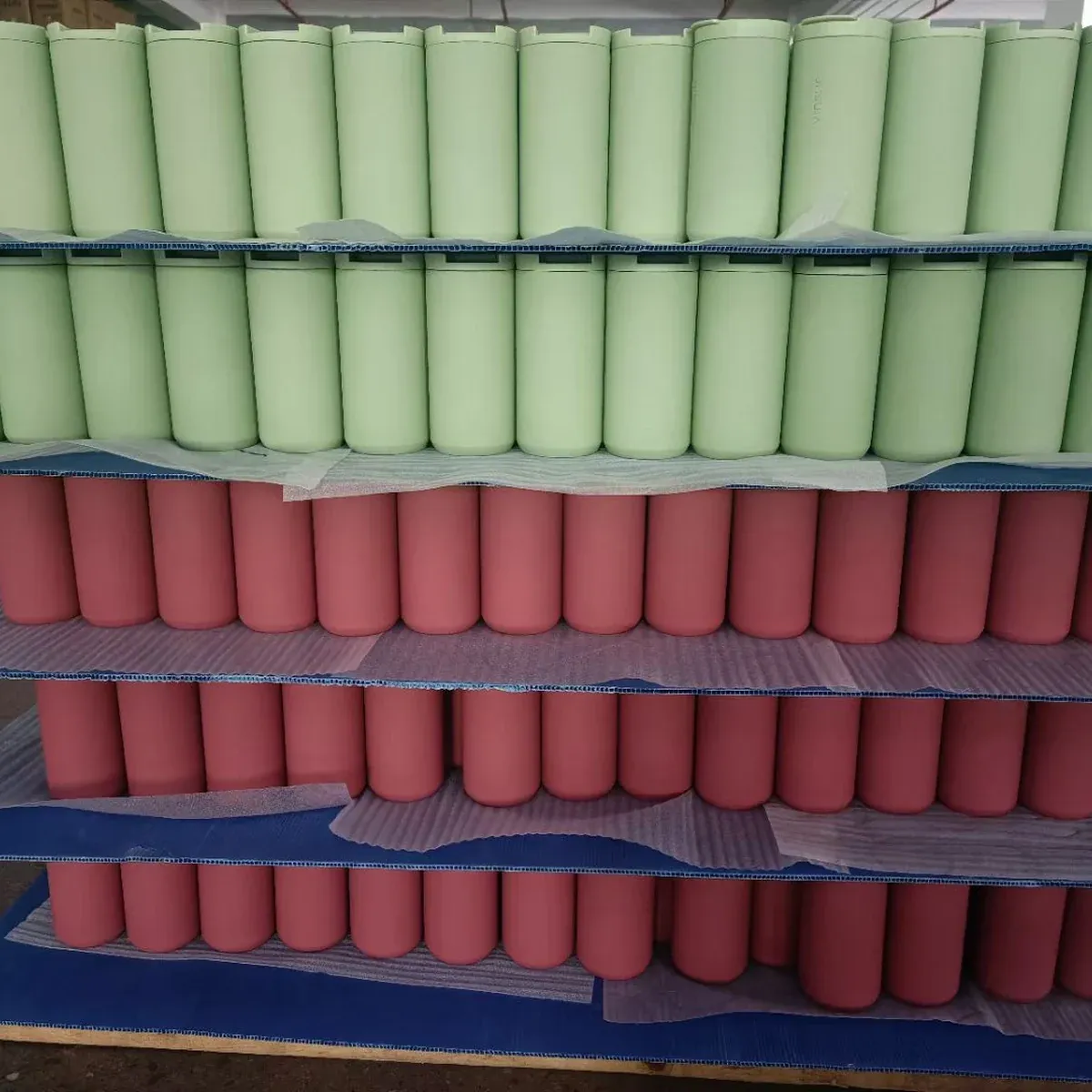
Colored tumblers cost more and take longer when the buyer needs a tighter or more complex color match. Extra sample rounds, manual color adjustment, dedicated material lots, first-off approval, measurement, sorting and possible rework all add time or cost.
A Pantone reference starts the conversation, but the production standard should be the approved physical sample plus a written comparison and acceptance method. A colorimeter reading can support that decision; it does not create a universal pass/fail limit by itself.
How does a factory match colored tumblers for bulk production?
The practical route is Pantone target → color adjustment → physical sample → customer approval → bulk production. At Bluegreen, color is adjusted manually, so the approved physical cup becomes the most useful production reference. The Pantone number remains part of the brief, but a printed or digital swatch cannot reproduce every feature of a curved, textured or glossy finished cup.
Before approving the sample, record the product model, substrate, coating or paint system, gloss, texture, logo, lid and accessory colors. Changing any of these after approval can change how the color looks even if the original target remains unchanged.
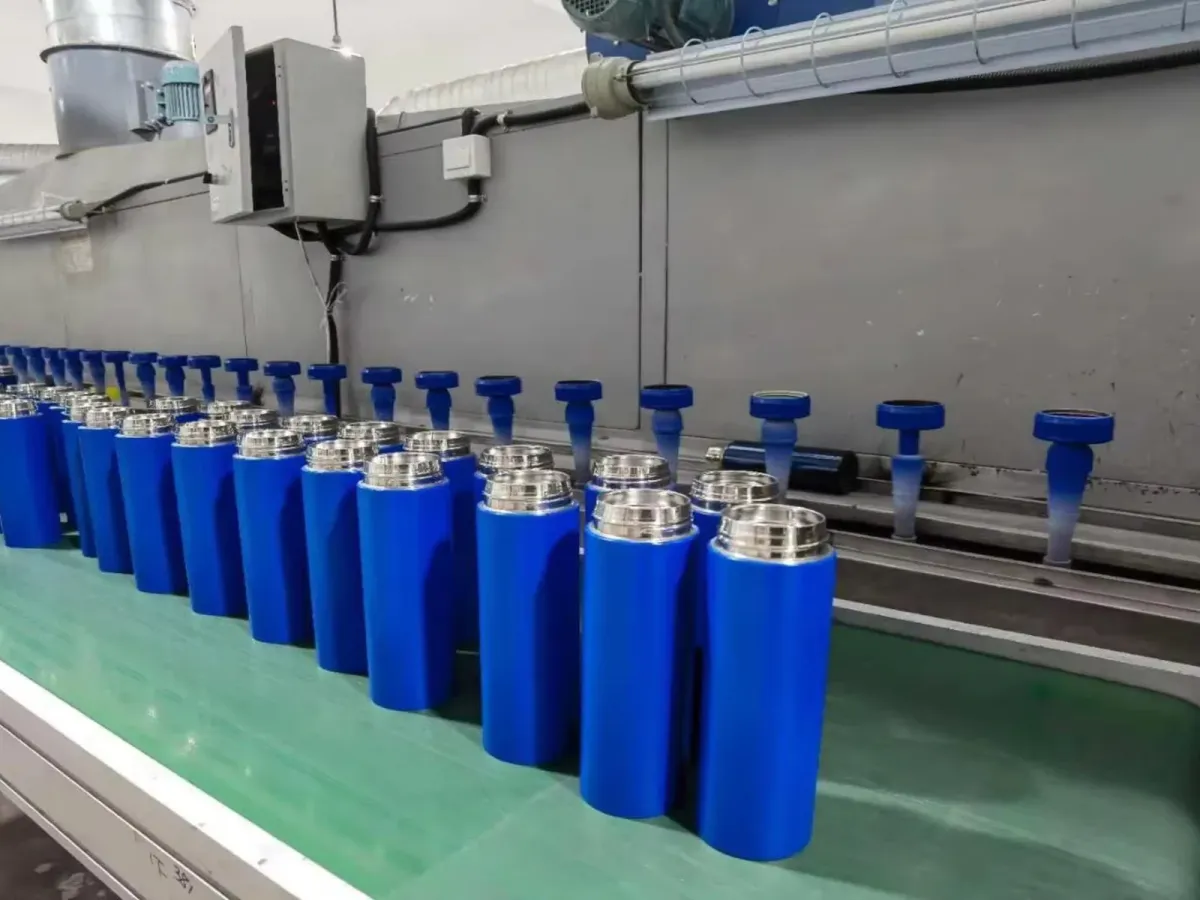
The related custom drinkware color-sample guide explains what should be signed off before the factory uses the sample as the production master.
Why can one batch of colored tumblers vary from another?
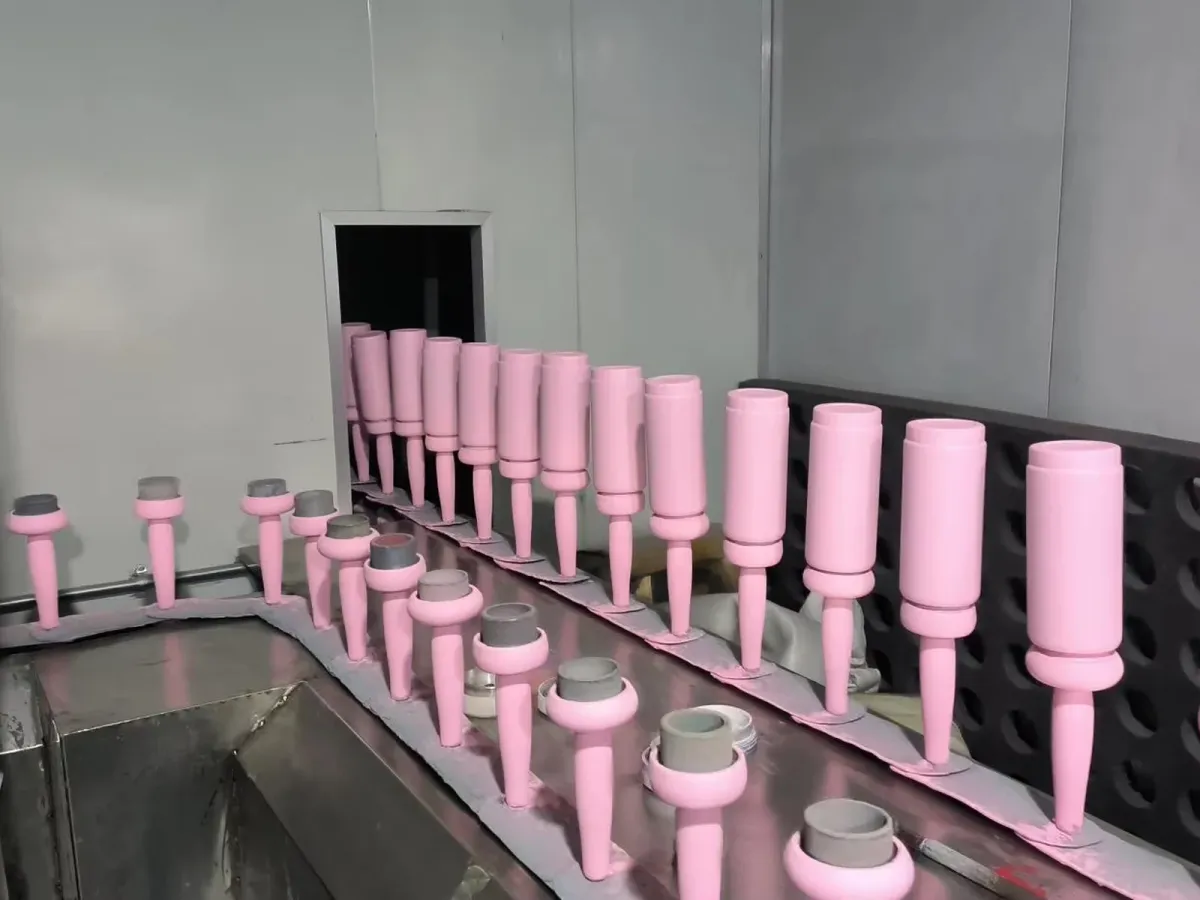
In Bluegreen’s production experience, two recurring causes are material-lot variation and manual color adjustment. Pigment, powder, paint, plastic resin or silicone from a new lot may not behave exactly like the previous lot. Manual adjustment can also introduce production variation, even when the team follows the same reference.
Application coverage, curing, gloss, texture and the underlying metal can change the visible result too. These factors should be investigated separately instead of calling every difference a pigment problem.
| Source | What may change | Useful control |
|---|---|---|
| Material lot | Pigment strength, resin appearance or supplied component shade | Identify lots and compare first-off pieces with the approved sample |
| Manual adjustment | Small formulation or mixing differences | Record the approved route and stop adjustment only when the physical sample is matched |
| Application and cure | Coverage, gloss, texture and apparent lightness | Keep the approved production route and inspect the finished surface |
| Product geometry | Light reflection on curved walls, shoulders and handles | Compare consistent locations under the same viewing condition |
| Logo and surrounding parts | Contrast changes the way the body color is perceived | Review the assembled product, not only a loose color panel |
What does a ΔE colorimeter reading prove—and what does it not prove?
A ΔE result quantifies the color difference between two measured samples under a defined method. It is useful for repeatability and communication only when the factory and buyer know which formula, instrument settings, sample condition and measurement locations were used.
ISO/CIE 11664-6:2022 specifies how to calculate color differences using the CIEDE2000 formula. It does not prescribe one universal acceptance limit for colored tumblers. The result should therefore be interpreted against an approved sample and the commercial use of the product rather than copied from another material or project.
Record whether the result is CIEDE2000 or another agreed calculation.
Use the same instrument, calibration status, measurement settings and sample orientation throughout the comparison.
Use repeatable locations that are large and flat enough for the instrument.
Account for gloss, texture, curvature, contamination and transparent finishes.
Compare the assembled product under the agreed lighting as well as the numerical result.
What happened when no color-acceptance limit had been agreed?
A gift order for a well-known apparel brand had a very demanding visual color expectation. Under the color-measurement setup used at the time, the factory recorded a ΔE reading of 1.8.
The purchase documents did not define a ΔE formula, measurement condition or numerical acceptance limit. Even so, the customer did not accept the visible difference, and the additional adjustment and approval cycle delayed delivery.
This case does not show that ΔE 1.8 is universally unacceptable. It shows why the physical master, measurement method, visual acceptance criteria and decision authority should be agreed before bulk production. Without those items, both parties can measure the same batch and still disagree about what the number means.
For color-sensitive branded merchandise, include the buyer’s actual approver in the physical-sample decision. A distributor or sourcing team should not assume that internal approval automatically represents the brand owner’s visual expectation.
Can metal, plastic and silicone parts match exactly?
An exact cross-material match should not be promised without an agreed reference and viewing method. Coated metal, molded plastic and silicone can be brought visually close, but differences in substrate, gloss, texture and process may remain.
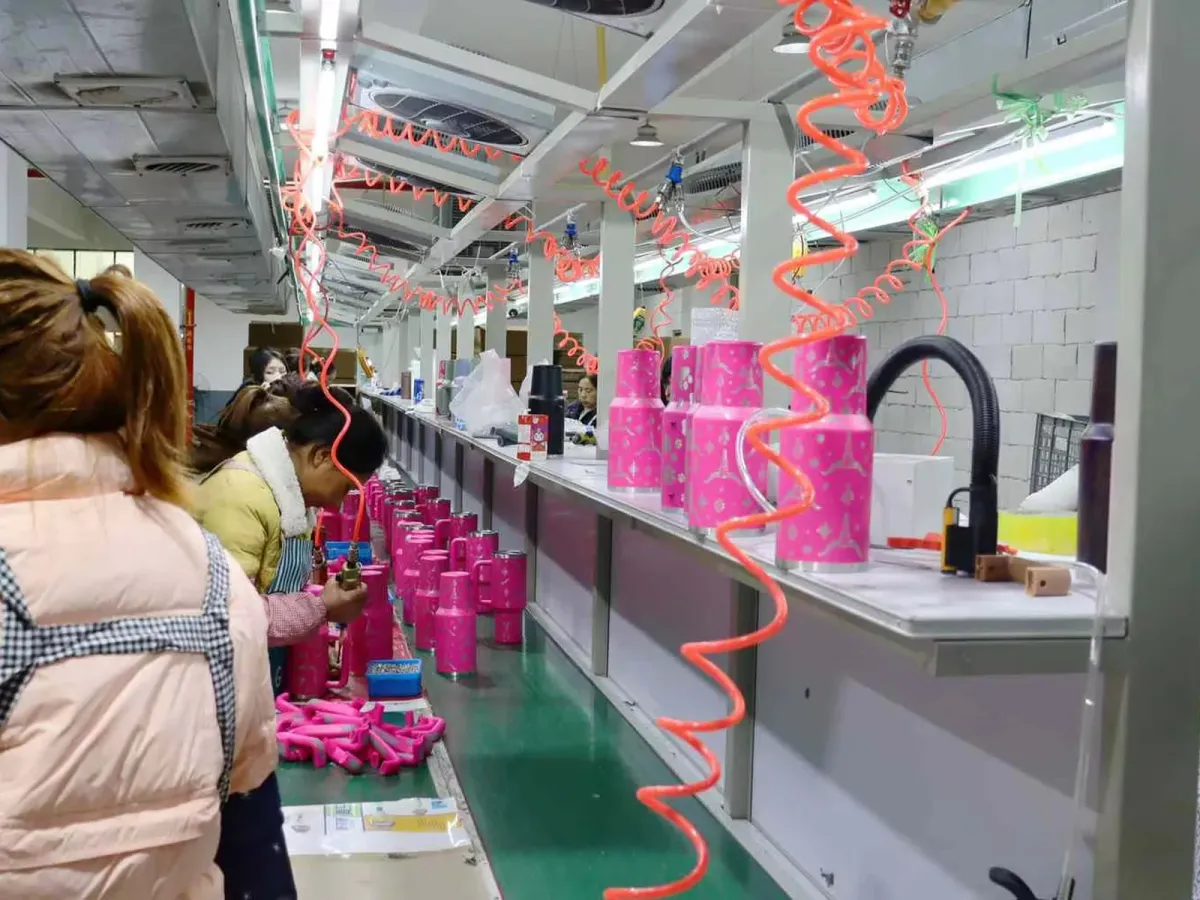
Approve the assembled product and state which component is the color master. The other parts may need to harmonize visually rather than meet the same numeric limit. If a lid, gasket or base pad is supplied by another vendor, confirm its color before the full component lot is released.
- Use separate boundary samples or tolerances for coated metal, hard plastic and silicone when needed.
- Review transparent, translucent and opaque parts under the intended lighting.
- Check the finished logo because white, black or metallic decoration changes perceived contrast.
- Define whether the buyer will judge loose components or the completely assembled tumbler.
How does tighter color tolerance affect price and lead time?
Tighter control can increase sample rounds, material commitment, inspection, sorting and rework. The cost effect depends on how capable the selected material and finish already are. A tighter requirement should be priced against the actual product instead of treated as a free note added after quotation.
| Driver | Possible cost effect | Possible lead-time effect |
|---|---|---|
| Additional sample rounds | Color adjustment, sample material and courier cost | Approval waits before production can start |
| Dedicated material lot | Higher minimum purchase or unused balance | Material booking or supplier lead time |
| More measurements | Additional inspection labor and records | Longer first-off and lot-release checks |
| Sorting | Labor to separate acceptable and unacceptable units | Production hold while the batch is reviewed |
| Redoing the finish | Stripping, recoating or remaking affected goods | New processing and reinspection time |
| Cross-material matching | Extra plastic or silicone sample iterations | Component approval can become the critical path |
The buyer should request a quoted option if the color is unusually sensitive. That makes the tradeoff visible before the purchase order is confirmed rather than after the production line has started.
What happens when a production color is not accepted?
Severe color variation does not pass Bluegreen’s internal inspection, and an order-specific requirement takes priority when one has been agreed. The affected batch is stopped, compared with the approved reference and investigated before the next action is chosen.
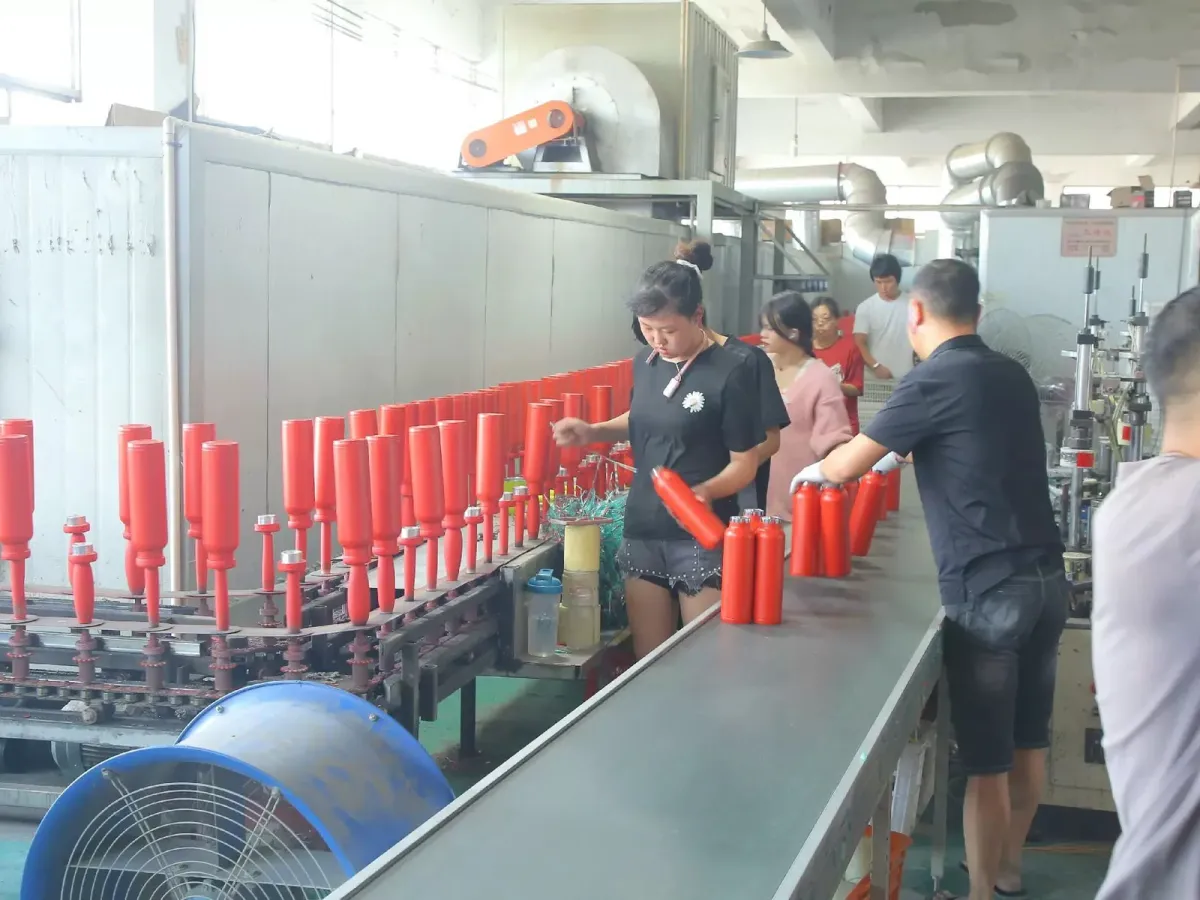
If the finished color falls outside the agreed requirement, the affected units are held as nonconforming. The finish is then stripped and reapplied—or the relevant component is remade—before reinspection, depending on what the batch assessment finds.
- Isolate the batch so it does not move into final packing.
- Confirm the reference and verify the difference through repeat visual and instrumental checks where applicable.
- Investigate the cause across material lot, color adjustment, application and process conditions.
- Redo the affected work using the route appropriate to the product and finish.
- Reinspect and release only against the approved order requirement.
The broader custom drinkware quality-control guide explains how order-specific checks and release decisions should be connected.
What color requirements belong in the purchase order?
| Decision | What to record |
|---|---|
| Color target | Pantone reference and the approved physical production sample |
| Product condition | Model, material, finish, gloss, texture, logo and assembled components |
| Viewing method | Lighting, background, distance, orientation and comparison area |
| Instrument method | Formula, device setup, locations, repetitions and sample condition when required |
| Acceptance | Numeric limit, visual boundary sample or both; who has final approval authority |
| Sampling | Quantity, production stage and whether first-off approval is required |
| Nonconformance | Stop, sorting, redo, concession and reinspection responsibilities |
| Repeat order | Whether old and new stock will mix and which retained sample controls the new order |
If the buyer has not chosen a numeric limit, write down the visual approval route instead of leaving the order silent. The factory can then flag an obviously severe difference internally while still knowing who makes the final commercial decision.
How should repeat orders be matched?
Bluegreen uses the retained physical sample and previous production records when the customer reorders. This is more reliable than starting again from a Pantone number alone because the retained cup captures the actual coating, gloss, texture and product geometry that were approved.
Exact identity between production lots still cannot be guaranteed. State whether the new and old inventory will be displayed together, compare the new first-off pieces with the retained sample, and reapprove any changed material, component supplier, finish or logo route.
A retained sample should be labelled and protected from dirt, abrasion and long-term light exposure. If its condition has changed, both parties should agree on a new master rather than treating an aged sample as unquestionable evidence.
What should you send for a color-sensitive tumbler project?
Send the tumbler model, materials by component, Pantone target, finish, gloss and texture, logo artwork, quantities by color, target market, physical-sample approval process, desired measurement method, acceptance rule, packaging and delivery date. State whether repeat orders or side-by-side retail display require tighter continuity.
Bluegreen’s customized drinkware services can review the decoration route and sample plan before quotation. For powder-coated projects, the powder-coated tumbler quality guide adds material-document, cure-control and finished-product test questions.
Frequently asked questions
Can colored tumblers match a Pantone color exactly?
A Pantone reference defines the target, but it does not guarantee identical appearance on coated metal, molded plastic and silicone. Approve a physical tumbler under the intended viewing condition.
What is an acceptable ΔE for colored tumblers?
There is no universal value for every tumbler. Agree the formula, instrument setup, measurement locations, surface condition, visual review and commercial use before setting a project-specific limit.
Does a ΔE of 1.8 mean a tumbler color has failed?
Not by itself. In the factory case described here, the customer rejected a visible difference when the instrument showed ΔE 1.8, but no written threshold or complete method had been agreed. The number is case evidence, not a universal rejection rule.
Why can plastic, silicone and metal parts look different?
They use different pigments, surfaces, thicknesses and manufacturing processes. Gloss, texture and translucency change visual appearance, so an assembled-set approval is often more useful than demanding identical readings.
Does tighter color tolerance increase cost?
It can. More sample rounds, dedicated material lots, measurements, sorting and corrective work can add cost and time. The effect should be quoted for the actual product, finish and quantity.
How does Bluegreen control color on repeat orders?
Bluegreen keeps a physical sample and uses the earlier order record as the starting reference. New first-off pieces should still be compared and reapproved when materials, suppliers, finish or decoration have changed.
References and further reading
- ISO/CIE 11664-6:2022 — Colorimetry, Part 6: CIEDE2000 colour-difference formula — Official calculation scope. The standard specifies the CIEDE2000 method but does not prescribe a universal acceptance threshold for drinkware.
Define the color decision before bulk production
Send the model, component materials, Pantone target, finish, approved sample route, measurement method, quantities by color, packaging and target date. Bluegreen can review which color controls belong in the quotation and purchase order.
This guide provides general B2B sourcing information, not legal or laboratory advice. Confirm market-specific requirements, test methods, and acceptance criteria with qualified professionals before production.



 English
 German
 French
 Russian
 Spanish
 Japanese
 Korean
 Portuguese
 Ukrainian
 Arabic
 Italian

Leave A Comment