
Product-Review Risk for Online Sellers
Why Custom Tumbler Listings Get Bad Reviews: 7 Supplier Details Online Sellers Often Miss
Many one-star reviews are not random consumer behavior. They are gaps between the product that was sourced, the product page that was published, and the unit that arrived.
Short answer
Custom tumbler listings get bad reviews when the marketed promise is more precise than the supplier specification. The most common gaps involve leak claims, capacity, lid and straw details, color, logo durability, included accessories, packaging, and care instructions.
Build the product page from the approved sample, bill of materials, test plan, packaging file, and shipment inspection—not from a generic competitor listing or an early quotation image.
Seven supplier details that often become customer complaints
| Missed detail | Typical review complaint | What to control before listing |
|---|---|---|
| 1. Closure claim | “Leaks in my bag” or “slider is not sealed” | Leakproof, spill-resistant, or splash-resistant claim and test condition |
| 2. Capacity and dimensions | “Smaller than expected” or “does not fit my cup holder” | Nominal and usable capacity, height, diameter, base, and lid condition |
| 3. Lid, straw, and gasket | “Wrong lid,” “straw too short,” or “seal missing” | Exact component revision, material, count, and replacement policy |
| 4. Color and finish | “Color looks different” or “coating scratches” | Color reference, finish, viewing limits, durability method, and care |
| 5. Logo and print | “Logo crooked” or “print washed off” | Artwork, size, position, method, tolerance, and use-care limits |
| 6. Accessories and packaging | “Missing straw” or “box arrived crushed” | Pack-out list, insert, box, barcode, carton, and protection |
| 7. Instructions and claims | “Not dishwasher safe” or “not for hot liquids” | Validated use, warnings, cleaning, assembly, and limitations |
Lock the product structure before writing the listing
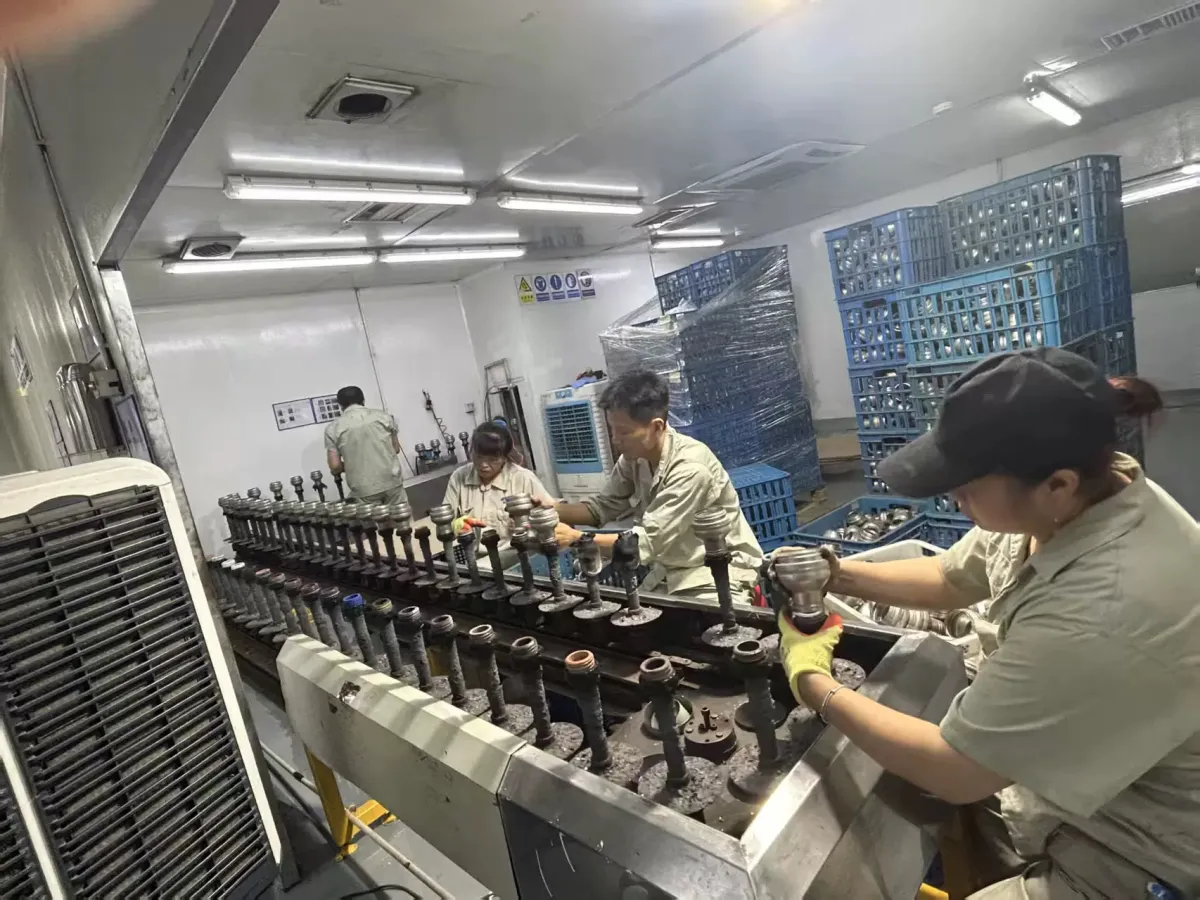
Start with the exact cup body, lid, handle, straw, gasket, metal or plastic parts, and accessory count. Do not infer a straw port, leakproof function, or replacement part from another model. Two products may share a silhouette while using different closure components.
Material, wall construction, capacity, dimensions, base, and finish.
Lid revision, openings, gasket, straw or spout, and intended orientation.
Included count, dimensions, material, color, and replacement availability.
Each claim linked to a defined sample, method, result, and limitation.
A controlled structure also helps the factory inspect the correct variants. If an accessory or lid changes after photography, update the product page and packaging before selling the new lot.
Use a claim matrix for the product page
Create one row for every statement that could influence purchase or use. Separate verified facts from marketing interpretation. Record the exact product revision and the conditions behind the claim.
| Listing statement | Source to verify | Boundary to disclose |
|---|---|---|
| Material | BOM, supplier documents, and agreed verification | Which components the claim covers |
| Capacity | Drawing and defined fill method | Nominal versus usable volume and lid condition |
| Leak or splash performance | Product-specific functional method | Orientation, motion, temperature, and closure action |
| Thermal performance | Defined test record | Fill, starting temperature, ambient, lid, and time |
| Dishwasher or cleaning claim | Validated cycle and inspected changes | Rack, detergent, temperature, number of cycles, and decorated area |
| Food-contact or market compliance | Applicable declarations, reports, and product scope | Market, revision, materials, and validity |
Avoid absolute phrases such as “never leaks,” “scratch-proof,” or “fits every cup holder.” A precise conditional claim is more credible and easier to support.
Set customer expectations for color and logo
Screens, lighting, camera settings, finish texture, gloss, and surrounding colors change how a product appears. Approve a physical color sample under defined viewing conditions, then use photography that represents the approved production appearance. State when natural variation is expected rather than hiding it.
Logo durability depends on the decoration method, substrate, coating, artwork, cleaning, and use. A laser-engraved mark, screen print, UV print, and sublimation wrap have different visual and durability characteristics. Use Bluegreen’s customization services to select a method, then define the claim for that route.
Packaging and instructions shape the first customer experience
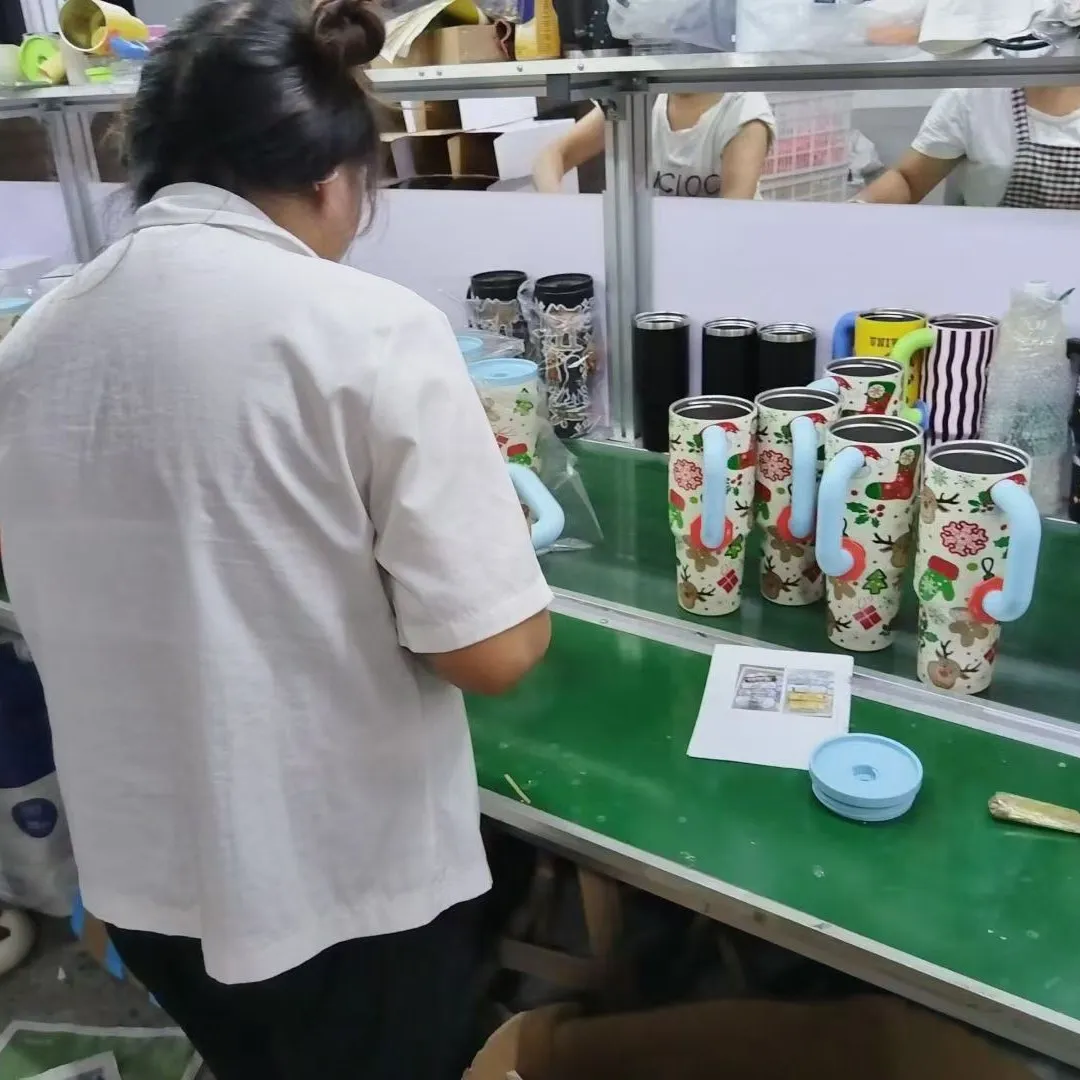
The customer first sees the parcel, retail box, and pack-out—not the factory inspection table. A missing straw, loose lid, crushed gift box, wrong barcode, or unlabeled spare gasket can cause a return even when the cup body is acceptable.

- Approve an itemized pack-out photo for every SKU and bundle.
- Protect handles, lids, straws, and decorated surfaces from carton pressure and rubbing.
- Match product, retail-box, barcode, carton, and marketplace SKU codes.
- Include assembly, gasket cleaning, closure operation, permitted liquids, and care limits.
- Validate warning and traceability content for the target market and sales channel.
Review custom packaging options early; a retail-ready pack may change dimensions, unit economics, drop protection, and lead time.
Turn review data into supplier corrective action
Code complaints by failure mode rather than copying review text into one “quality” category. Link each case to order, lot, SKU, color, lid revision, packaging version, and customer use condition. Photos and returned samples help distinguish product defects, transport damage, listing mismatch, and misuse.
- Track rate and severity by lot and component revision, not only overall star rating.
- Separate claim mismatch from manufacturing defect and fulfillment error.
- Send the supplier a structured defect file with images, lot data, quantities, and requested containment.
- Approve corrective action and verify it on new samples and the next production lot.
- Update listings, instructions, photos, or packaging when the root cause is an expectation gap.
Use the pre-shipment QC framework to add complaint-derived checks to future orders. A repeated review theme should become a specification or inspection point.
What online sellers should send the supplier
Send the target marketplace and countries, exact product structure, approved claims, photos, dimensions, artwork, colors, included accessories, retail packaging, labels, instructions, quantity by SKU, inspection plan, and delivery target through Bluegreen’s project form. Ask for written confirmation of anything that will appear on the listing.
The supplier specification and the marketplace listing should describe the same product. Every gap between them is a future return, review, or compliance risk.
Frequently asked questions
Why do tumblers get bad reviews even when the factory sample looked good?
The bulk lot, packaging, listing, or customer use may differ from the approved sample. Common gaps include lid revision, accessories, color, print position, care instructions, shipping damage, and claims that were never tied to a test.
Should a tumbler be listed as leakproof?
Only when the exact closure has passed a defined method that supports the marketed use. Otherwise use a narrower claim such as spill-resistant or splash-resistant and explain the intended orientation and closing action.
How can online sellers reduce color-related returns?
Approve a physical color standard and finish, photograph the production-representative sample under controlled lighting, avoid excessive editing, disclose expected variation, and inspect the lot against agreed visual or instrumental limits.
What packaging details should be approved for marketplace sales?
Approve the item pack-out, retail box, insert, barcode and SKU labels, instructions, warnings, carton marks, quantity per carton, and protection for lids, handles, straws, and decorated surfaces.
What data should sellers send after receiving a bad review?
Send the order and lot number, SKU, product and lid revision, customer photos or video, failure description, use condition, quantity affected, packaging condition, and returned sample when available.
Source the product page, not just the cup
Send the exact product structure, listing claims, artwork, accessories, packaging, instructions, quantities by SKU, inspection plan, and delivery target.
This guide provides general B2B sourcing information, not legal or laboratory advice. Confirm market-specific requirements, test methods, and acceptance criteria with qualified professionals before production.



 English
 German
 French
 Russian
 Spanish
 Japanese
 Korean
 Portuguese
 Ukrainian
 Arabic
 Italian

Leave A Comment