
Pre-Shipment QC for B2B Drinkware
What Quality Control Should Cover Before Shipping Custom Drinkware
A useful inspection plan states what inspectors check, for which product configuration, how they check it, how they sample the lot, and who may release it after a failure.
Short answer
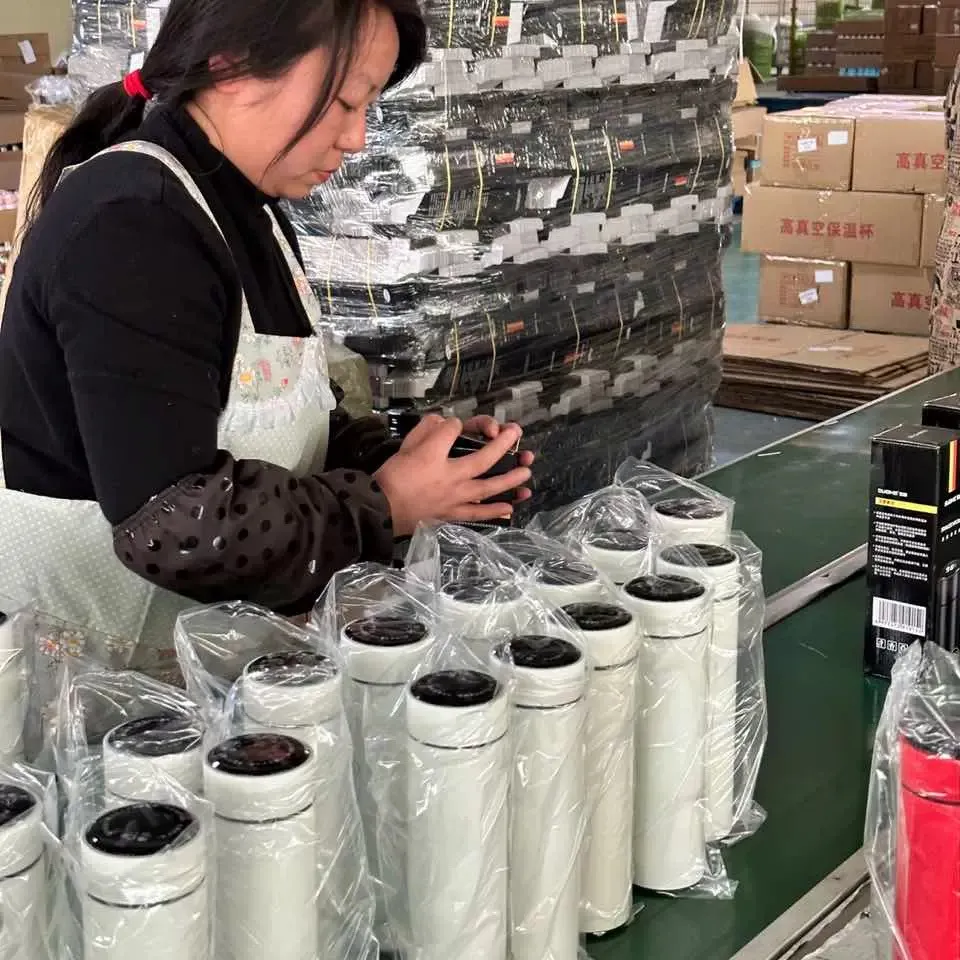
Before custom drinkware ships, inspectors should verify the exact SKU, workmanship, closure and assembly, required performance, color and decoration, cleanliness, packaging, quantity, traceability, and release records against one approved order file.
The plan should say which checks cover every unit, which use sampling, which depend on the product or customer, and what happens if the lot fails. An AQL number alone does not make a complete inspection plan.
Start with one controlled release file
An inspector cannot judge a custom order from memory or from a sample alone. Build one current file that connects the commercial order to the product, test plan, packaging, and release authority. Remove superseded drawings and artwork so production and inspection do not follow different revisions.
Know what is being released
PO, SKU and color breakdown, quantity, target market, delivery requirement, and approved changes.
Lock the configuration
Approved sample, body, lid, gasket, accessories, dimensions, weight, color, finish, logo file, size, and position.
Define checks first
Method, coverage, defect classes, sampling rule, criteria, equipment, records, and evidence.
Name the decision owner
Failed-lot route, reinspection, concession process, and final production order confirmation.
In Bluegreen's workflow, the reference can include the physical sample, final logo artwork and dimensions, color, packaging, lid, product weight, and raw-material purchase documents. Move any change approved in chat into the controlled order file before production continues.
What should pre-shipment quality control cover?
The following matrix is a starting scope, not a promise that every product uses the same test. Translate each row into a model-specific requirement and acceptance rule.
| Control area | What to verify | Reference or evidence |
|---|---|---|
| Product identity | Model, construction, capacity, lid, gasket, handle, straw, accessories, color, logo, and variant | PO, SKU list, BOM, approved sample |
| Workmanship | Dents, scratches, burrs, contamination, deformation, seams, rims, edges, and cleanliness | Defect definitions and boundary samples |
| Fit and assembly | Lid engagement, gasket position, drinking path, straw, handle, moving parts, accessory count, and assembly | Approved configuration and operation criteria |
| Performance | Vacuum performance, leak or spill behavior, capacity, coating or logo durability, and agreed claims | Order-specific method and acceptance rule |
| Finish and decoration | Color, gloss, coverage, texture, logo content, size, position, orientation, registration, and damage | Color reference, final artwork, approved sample |
| Packaging and labels | Unit protection, inserts, box, warnings, barcode, assortment, carton marks, sealing, and protection | Packaging specification and label file |
| Quantity and traceability | Unit and carton count, SKU ratio, lot identity, retained sample, and material connection | Packing list and traceability records |
| Release records | Results, defects, photographs, disposition, reinspection, deviations, and authorization | Inspection report and decision record |
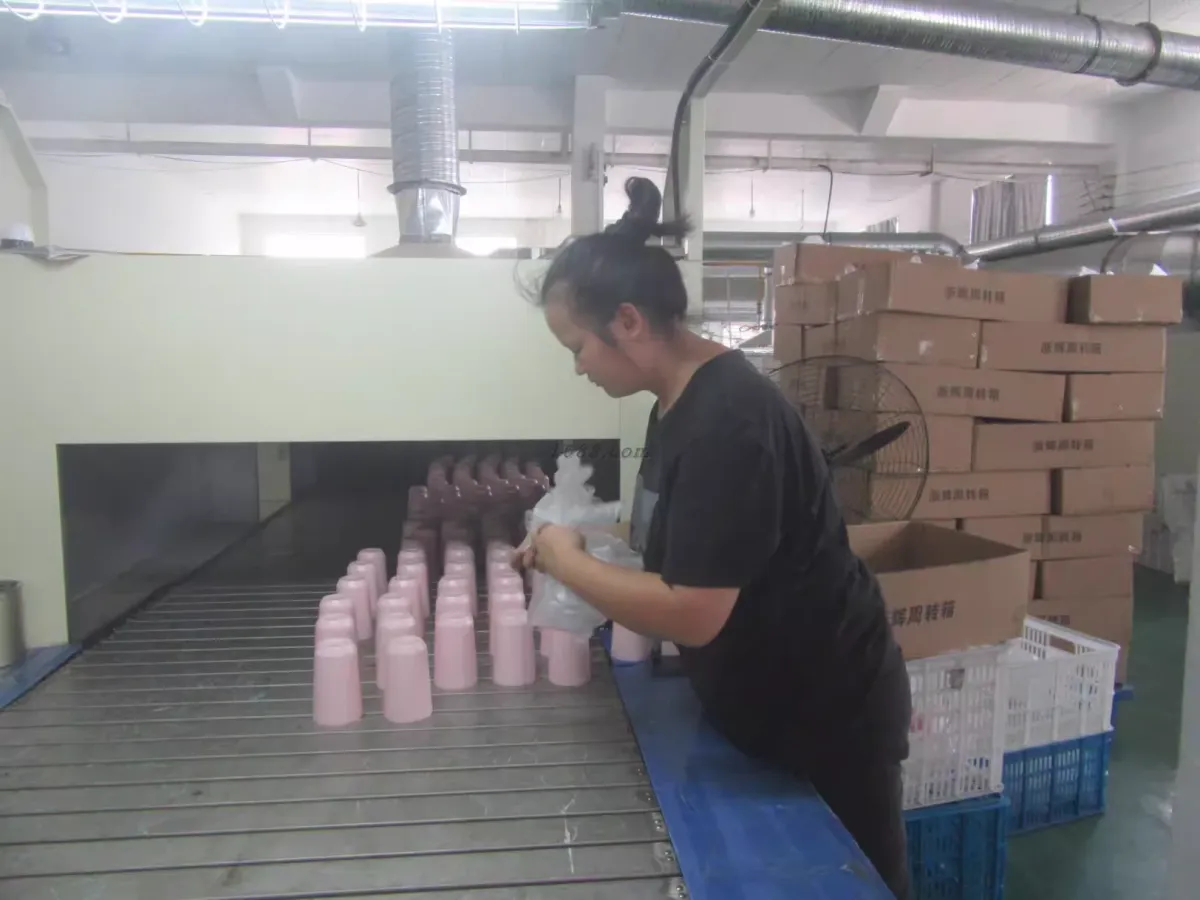
Separate 100% checks from sampling and order-specific tests
A credible QC plan states the coverage of each check. Writing “leak tested” or “AQL inspected” does not say how many units were checked, under which conditions, or what happened after a failure.
Every insulated cup
Bluegreen performs vacuum-performance testing on every insulated cup. The order still identifies the method, decision rule, record, and failed-unit disposition.
Order-specific testing
Leak testing follows the order and structure. Fill, closure state, orientation, movement, duration, temperature, cycles, coverage, and acceptance are defined by project.
Project sampling
Appearance, logo, color, assembly, packaging, sampling level, and AQL are confirmed by project. Coating or logo dishwasher testing is performed when required.
This distinction prevents a capability from becoming a universal product promise. The exact body, closure, gasket, straw, handle, finish, decoration, market, and packaging configuration should drive the checks.
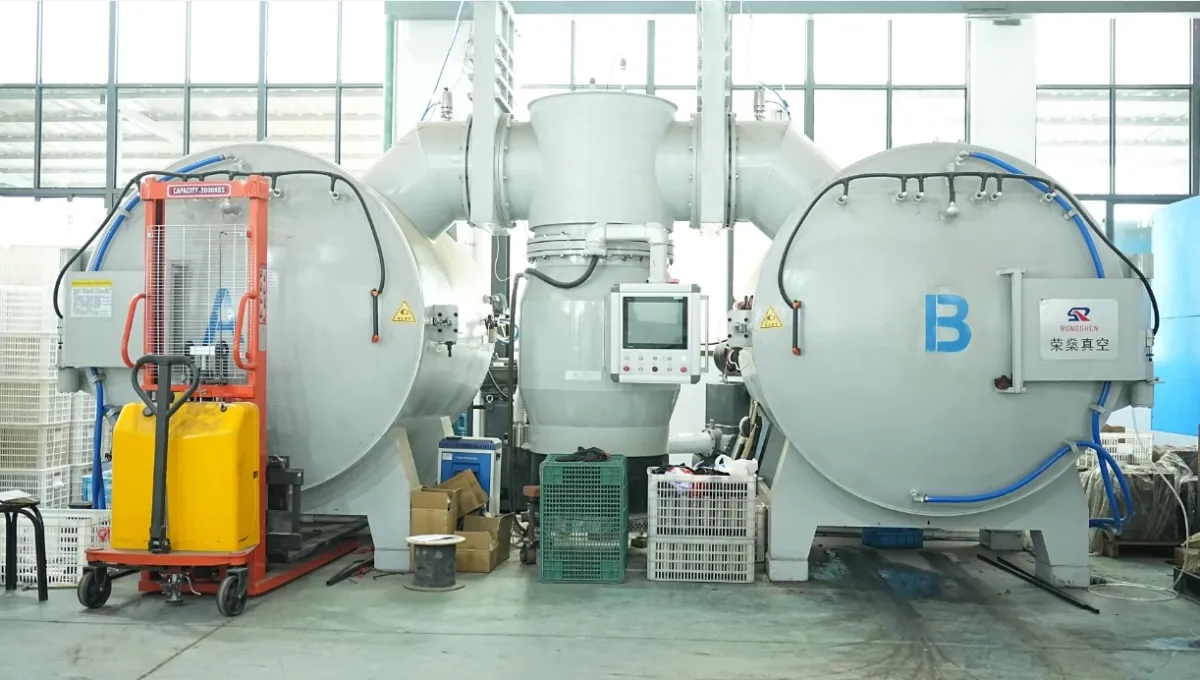
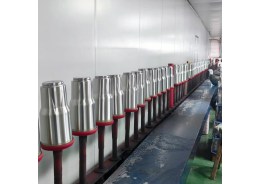
The image shows vacuum-processing furnaces used during manufacturing. It does not show the finished-product test fixture or prove a production lot passed.
Write the method behind each product claim
A result is useful only when another qualified person can understand what was tested. Record the product configuration, conditioning, equipment, procedure, sample coverage, reading or observation, acceptance rule, and disposition of failures.
| Check | Define before inspection | Avoid vague wording |
|---|---|---|
| Leak or spill | Closure and gasket state, fill, temperature, orientation, motion or pressure, duration, cycles, coverage, failure rule | Leak-proof test passed |
| Vacuum performance | Model, conditioning, equipment, exposure, reading method, limits, coverage, failed-unit rule, record | Insulation checked |
| Coating or logo durability | Finish, decoration, dishwasher or other method, conditions, cycles, evaluation points, acceptance | Dishwasher safe |
| Capacity, dimension, or weight | Datum, instrument, calibration status, tolerance, location, coverage, reporting precision | Size is correct |
| Lid, handle, or moving part | Assembly state, operating sequence, load or cycles where required, damage and function limits | Function normal |
If a retailer, market, or product claim needs a specific method, name it in the order. A supplier's internal screen and a third-party compliance test answer different questions and should not be presented as interchangeable.
How should buyers set sampling and AQL?
ISO 2859-1:2026 provides AQL-indexed sampling schemes for lot-by-lot inspection by attributes. AQL helps select a plan and make an acceptance decision; it is not a guaranteed percentage of defects in an accepted shipment.
- Define the lot and select samples across cartons, production periods, colors, and variants.
- State the standard edition, inspection level, sampling type, lot size, and AQL for each applicable defect class.
- Define critical, major, and minor defects with product-specific examples and boundary references where useful.
- Set zero-tolerance or 100% screening separately; the word critical does not define the procedure by itself.
- Confirm sampling and AQL with the order. Do not loosen the plan after the result is known.
“AQL 2.5/4.0” omits the standard edition, lot size, inspection level, sampling type, defect definitions, sample distribution, and critical-defect rule.
Bluegreen does not apply one fixed public AQL to every order. Sampling and AQL are confirmed according to the project and customer order. A third-party inspector and the factory should receive the same controlled requirements.
Inspect decoration and packaging as sellable-product requirements
A usable cup can still be commercially unacceptable when a dot is missing from the logo, color drifts beyond the reference, a barcode is wrong, or accessories are placed in the wrong box. Final QC should inspect the product as the buyer will receive it.
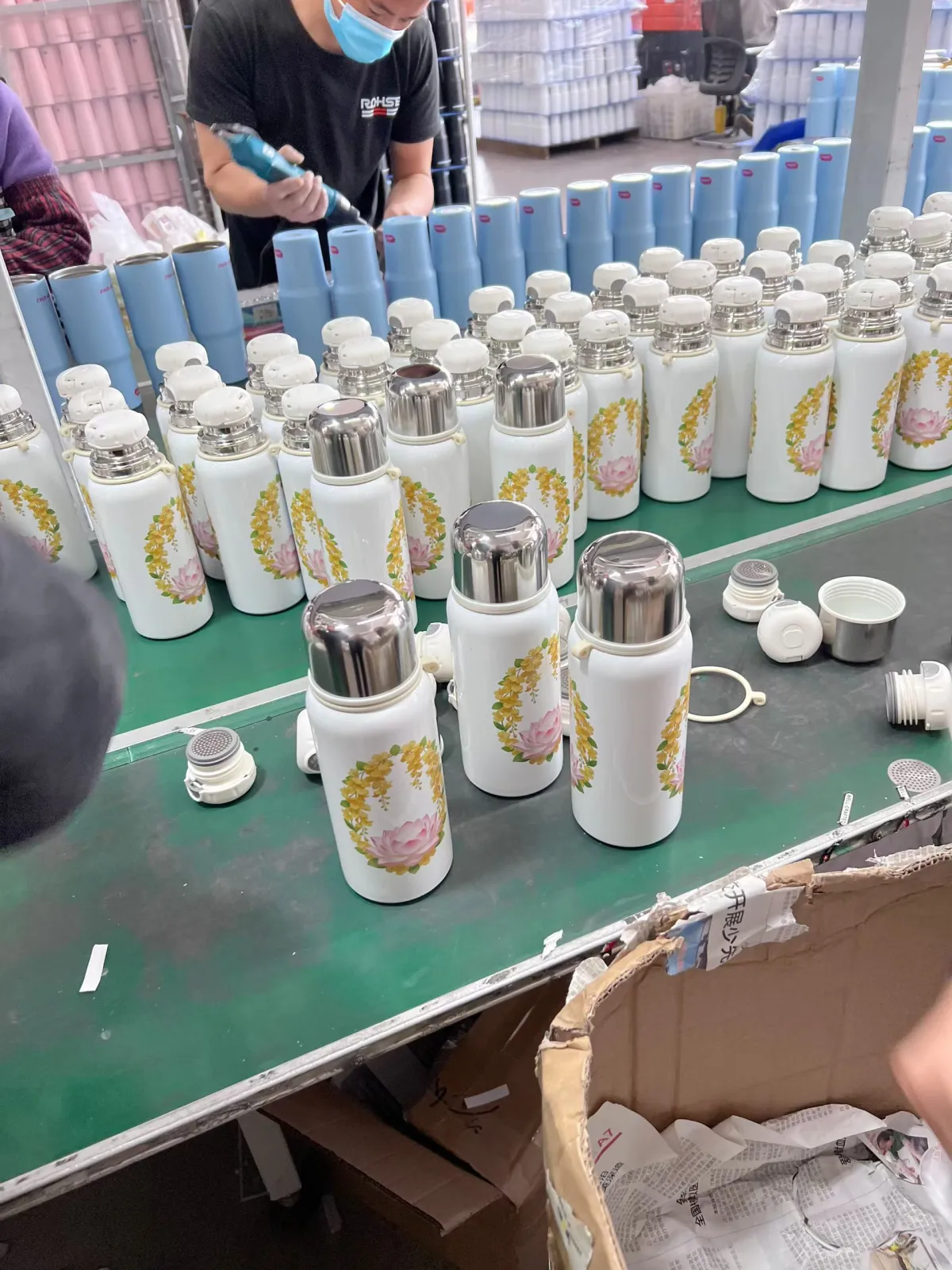
| Stage | Release questions |
|---|---|
| Artwork | Is the final file, content, size, position, orientation, color, and method the approved revision? |
| First production pieces | Do they match the sample and artwork before repeated production continues? |
| Finished decoration | Are registration, coverage, contrast, damage, and required durability results acceptable? |
| Individual pack | Are protection, accessories, instructions, labels, barcode, and box correct? |
| Master carton | Are assortment, quantity, marks, lot code, sealing, dimensions, weight, and damage acceptable? |
| Shipment readiness | Are protection, specified moisture controls, documents, quantity, and release status complete? |
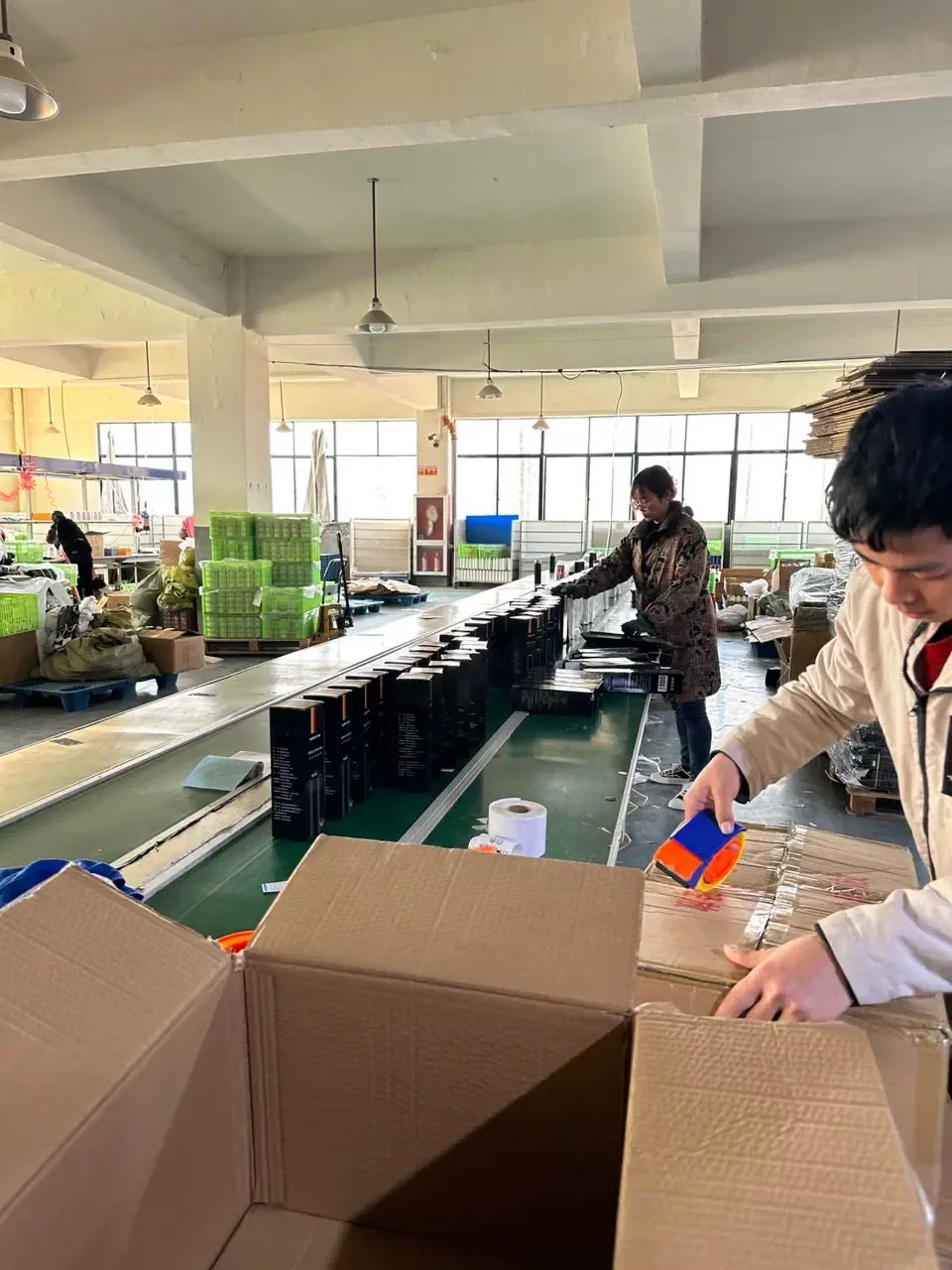
Use the retail and e-commerce drinkware packaging guide to define the pack before mass production. The custom project form can capture the model, finish, logo, packaging, quantity, market, and required tests.
What should happen when a drinkware lot fails inspection?
A failed result should stop release and trigger a controlled route. Stripping, recoating, disassembly, component replacement, or repeated handling can introduce new appearance, fit, cleanliness, or performance risks. The disposition must reflect the defect and structure.
Hold the lot and identify cartons, SKUs, time range, and components.
Confirm the pattern, likely cause, scope, and risks to other characteristics.
Choose rework, replacement, remake, rejection, or a documented buyer decision.
Check the corrected lot and verify the action created no new defects.
Ship only after applicable requirements and records are complete.
A loading date does not override a failed requirement.
Bluegreen's actual route is isolate the batch, analyze the problem, decide whether to rework or remake, reinspect, and then release.
If the buyer accepts a deviation, record its scope, reason, evidence, affected quantity, and authorized approval. Do not silently lower the original criterion.
Reinspection may need to cover the original defect and characteristics affected by corrective work. See the custom tumbler rework versus remake guide for the factory-side trade-offs.
What evidence should the buyer receive before release?
The reporting package should identify the order, explain what was checked, show what failed, trace corrective action, and name the release authority. More photographs are not automatically better; each record should answer a decision question.
- PO, SKU and quantity breakdown, approved revision, inspection date, site, and lot identity.
- Sampling plan, AQL where used, sample distribution, defect classes, methods, equipment, and acceptance criteria.
- Results, measured values where required, defect photographs, sample or carton identity, and quantity reconciliation.
- Vacuum records and order-required leak, dishwasher-cycle, functional, decoration, or packaging results.
- Failed-lot isolation, analysis, rework or remake decision, reinspection, and checks for new risks.
- Packing list, labels, marks, assortment, accessories, protection, deviations, approvals, and release authorization.
Review Bluegreen's drinkware quality-control overview for capability context. For the order, the written inspection sheet and approved revision remain the controlling source.
Add the QC plan to the RFQ before sample approval
Clarify inspection before production. Send the body and closure structure, market, use and claims, material, finish, artwork, packaging, quantity, delivery target, tests, records, and sampling or AQL requirements with the RFQ.
Model, capacity, component materials, body, lid, gasket, handle, straw, accessories, and variants.
Color, finish, artwork, logo dimensions and position, defect boundaries, and viewing conditions.
Vacuum, leak, capacity, dimension, weight, operation, dishwasher-cycle, or another method and acceptance.
Lot, sampling, AQL, critical rules, reports, failed-lot route, reinspection, deviations, and authority.
Bluegreen's custom drinkware manufacturer checklist can organize the wider OEM or ODM handoff. Keep the QC plan attached to the final production order.
Frequently asked questions
What should quality control check before shipping custom drinkware?
It should verify SKU and configuration, workmanship, cleanliness, fit and assembly, required performance, color and decoration, packaging, labels, quantity, traceability, records, failed-lot disposition, and release authorization against the approved order file.
Should every custom tumbler receive a leak test?
Not under one universal method. Leak testing follows the customer order and closure structure. The plan defines fill conditions, closure state, orientation or movement, duration, cycles, coverage, acceptance, and failed-unit handling.
Does Bluegreen test every insulated cup?
Bluegreen performs vacuum-performance testing on every insulated cup. The order still defines the applicable method, acceptance rule, record, and failed-unit disposition. This differs from claiming every SKU receives the same leak or thermal-retention test.
What does AQL mean in drinkware inspection?
AQL is an acceptance quality limit used to index sampling schemes for lot inspection by attributes. It helps determine a sample and acceptance decision under a defined plan; it does not guarantee a specific percentage of defects.
Who decides the AQL for a custom drinkware order?
The buyer and supplier confirm it with the order, together with the standard edition, lot size, inspection level, sampling type, defect classes, sample distribution, and critical rule. Bluegreen does not use one fixed public AQL for every project.
What happens when a drinkware lot fails inspection?
The lot is isolated, the problem and scope are analyzed, and a documented decision is made to rework, replace components, remake, reject, or seek a buyer-approved deviation. Corrected goods are reinspected before release.
Are dishwasher-cycle tests included for every coating or logo?
They are performed when required by the customer order. The coating or decoration, method, cycles, evaluation points, acceptance, sample scope, and reporting requirement should be confirmed before production.
References and further reading
- ISO 2859-1:2026 — Sampling procedures for inspection by attributes — Official ISO overview of AQL-indexed lot sampling schemes.
Define the release gate before production starts
Send the model, closure, materials, finish, artwork, packaging, quantity, target market, required tests, sampling plan, records, and delivery target so inspection can be built into the order.
This guide provides general B2B sourcing information, not legal or laboratory advice. Confirm market-specific requirements, test methods, and acceptance criteria with qualified professionals before production.


 English
 German
 French
 Russian
 Spanish
 Japanese
 Korean
 Portuguese
 Ukrainian
 Arabic
 Italian

Leave A Comment