
Packaging Specification Guide for B2B Buyers
How to Specify Custom Drinkware Packaging for Retail and E-Commerce Bulk Orders
Turn packaging from a late production detail into a controlled specification covering product protection, retail presentation, barcode scanning, parcel handling, master cartons and shipment approval.
Short answer
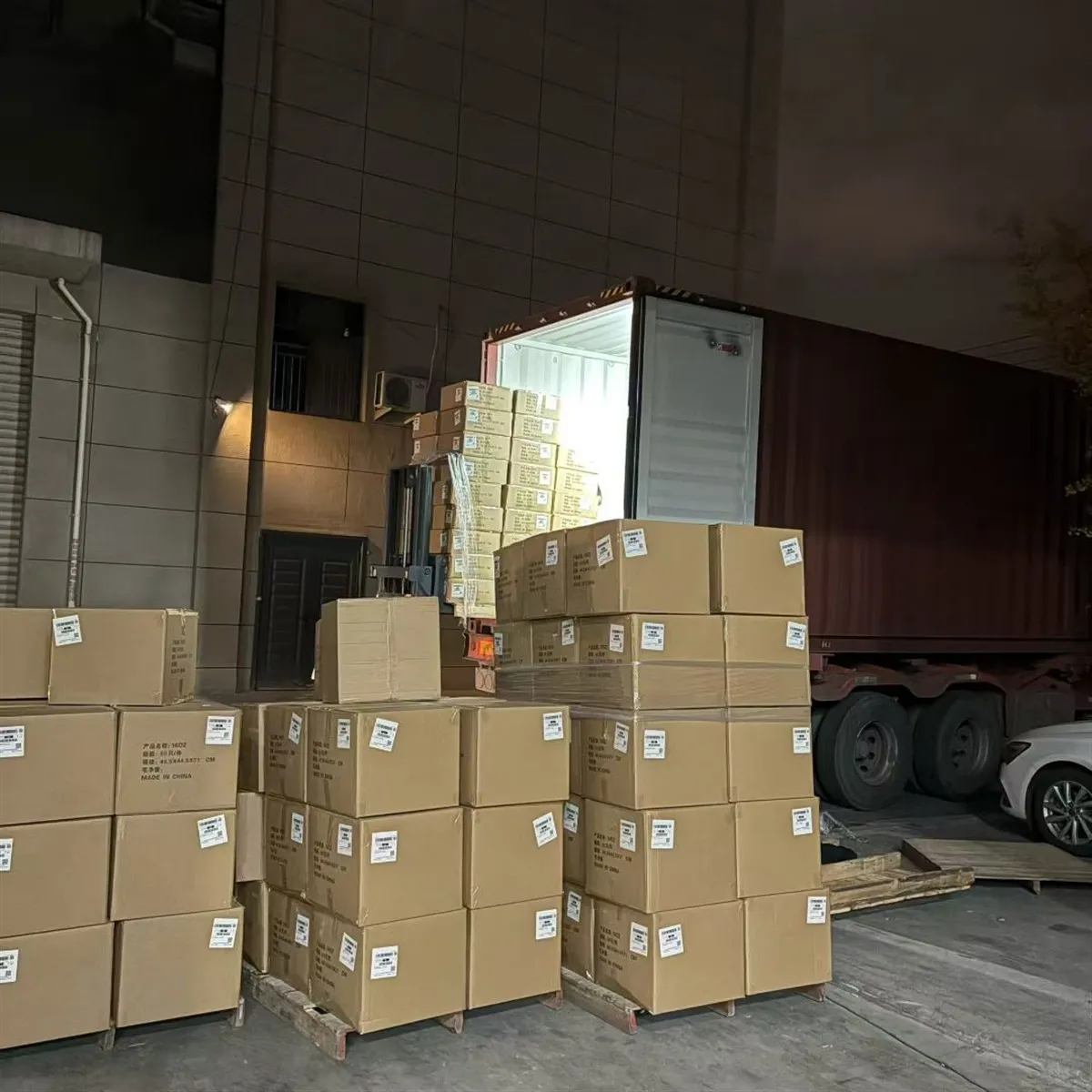
Custom drinkware packaging should be specified from the sales channel backward. Define the sellable unit, included parts, protection method, artwork and barcode, inner pack, master carton, pallet or parcel route, validation method, approval sample and records before bulk production.
Retail packaging must present and identify the product at the shelf or checkout. E-commerce packaging must also survive the chosen fulfillment and delivery route. One pack can serve both channels, but only after the buyer confirms that its labels, protection and dimensions work in both environments.
Start with the sales channel and delivery route
Packaging decisions should begin with where the finished unit will be scanned, stored, handled and opened. A bottle sold from a retail shelf, shipped as an individual parcel, delivered in a marketplace overbox or distributed in full master cartons faces different presentation and handling conditions.
Shelf presentation, product visibility, hanging or standing orientation, price or GTIN scan, tamper expectations and local label content.
Individual parcel handling, unboxing, address-label area, privacy, returns and whether an overbox is used.
Unit barcode, prep category, case-pack rules, receiving labels and the platform's current packaging instructions.
Inner packs, master-carton quantity, carton identification, pallet pattern, warehouse scanning and delivery-unit rules.
Write these conditions into the project brief before asking the factory to design a box. Otherwise, a visually attractive retail pack may still be hard to scan, expensive to ship, unstable in a master carton or unsuitable for a fulfillment program.
Specify every level of the packaging system
A packaging specification should identify each level separately. The sellable unit, inner pack, master carton and logistics unit have different jobs, and the buyer should not use “standard export packing” as a substitute for these decisions.
| Packaging level | What to define | Primary purpose |
|---|---|---|
| Product contact and protection | Protective bag, sleeve, tissue, surface film, lid or accessory restraint and separation materials | Prevent scratching, dust, loose parts and movement |
| Individual retail unit | Color box, kraft box, window, insert, instruction, barcode, warnings, language and closure | Present and identify one sellable SKU |
| Inner pack | Units per inner, orientation, divider, label and mixed-SKU rule | Organize handling and replenish retail or warehouse stock |
| Master carton | Units, arrangement, dimensions, net and gross weight, board specification, closure and carton marks | Protect and identify the shipping case |
| Pallet or container unit | Pallet type, pattern, maximum height, corner protection, stretch wrap, labels and loading plan | Control warehouse and international transport handling |
The specification should also say who supplies each artwork file, barcode number, translation, instruction sheet and warning statement. Manufacturing a printed pack does not transfer responsibility for the buyer's product claims or market-specific label content.
Control movement without damaging the cup or its finish
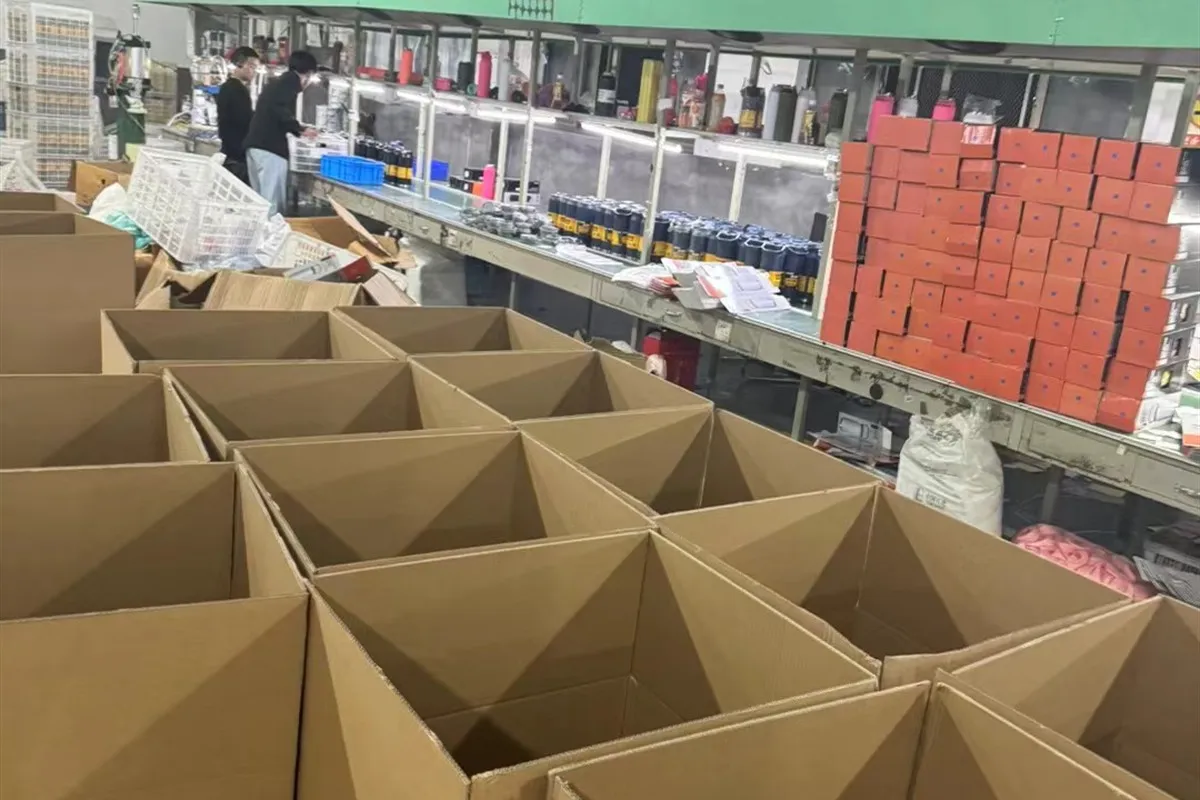
The pack should restrain the actual product configuration without putting harmful pressure on the lid, handle, straw, spout, coating or decoration. Confirm the exact body, lid and accessory set before designing an insert; do not reuse an insert simply because two products share a nominal capacity.
- Keep coated or printed surfaces from rubbing against carton edges, accessories or neighboring units.
- Prevent a removable lid, straw, brush, gasket, boot or gift component from moving freely inside the box.
- Check that an insert supports stable areas rather than deformable buttons, hinges, transparent parts or projecting handles.
- Define whether the cup is packed upright, inverted or on its side and keep that orientation consistent through the inner and master carton.
- Confirm cleanliness and odor expectations for bags, inserts, printed boxes and recycled-content packaging before approval.
A divider or insert should be evaluated with the finished, decorated SKU and all included parts. A blank bottle can fit while the retail-ready product fails because a handle, boot, gift box or accessory changes the occupied space.
Lock artwork, labels and barcodes as production-controlled files
Barcode type, size, placement and print quality depend on the scanning environment. GS1 barcode implementation guidance recommends identifying where the code will be scanned and keeping it away from package edges, folds, flaps or other areas where it can be obscured or damaged.
| Field | Buyer should confirm |
|---|---|
| SKU identity | Model, capacity, color, lid, bundle and language version tied to the correct artwork revision |
| Barcode | Owner-supplied number, barcode type, magnification or size, quiet zone, contrast, position and scan verification |
| Visible text | Product name, material or care statements, warnings, importer or responsible-party information and required languages |
| Carton marks | Purchase order, SKU, quantity, net and gross weight, dimensions, destination marks and handling symbols |
| File control | Editable source file, outlined fonts, color reference, dieline revision, approval date and superseded-file withdrawal |
Use a printed packaging sample when color, barcode performance, fine text, coatings or dieline alignment matter. A PDF proof can confirm content and position, but it cannot by itself confirm print contrast, material stiffness, folding accuracy, scuff resistance or scanning on the finished pack.
Retail and e-commerce packs solve different risks
Retail and e-commerce requirements overlap, but they are not interchangeable. Retail usually gives more weight to presentation and point-of-sale scanning; parcel fulfillment adds repeated handling, impacts, vibration and the possibility that the retail box becomes the shipping container.
| Decision | Retail emphasis | E-commerce emphasis |
|---|---|---|
| Outer appearance | Shelf presentation, color, product information and display orientation | Resistance to scuffing, labels, handling and possible overboxing |
| Identification | GTIN or point-of-sale barcode and local retail information | Marketplace unit label, fulfillment barcode and shipment label workflow |
| Protection | Shelf handling and transport within cases | Individual parcel drops, vibration, compression and returns |
| Pack size | Shelf plan and merchandising | Dimensional weight, storage tier and fulfillment fee implications |
| Opening | Presentation, tamper indication and customer access | Secure transit closure with a controlled unboxing experience |
For Amazon FBA, use the seller account's current market-specific instructions rather than a copied generic checklist. Amazon's 2026 FBA packaging, prep and labeling guide explains that units need the correct scannable identification and that labels should remain accessible on the finished prepared unit. Its Ships in Product Packaging program has separate eligibility, packaging and test requirements; participation should not be assumed from an ordinary retail box.
Define master cartons, pallets and loading assumptions
Master-carton specifications affect product protection, freight cube, warehouse handling and receiving accuracy. Record units per carton, product orientation, divider arrangement, internal clearance, carton dimensions, net weight, gross weight, closure method and external markings on the approved packing specification.
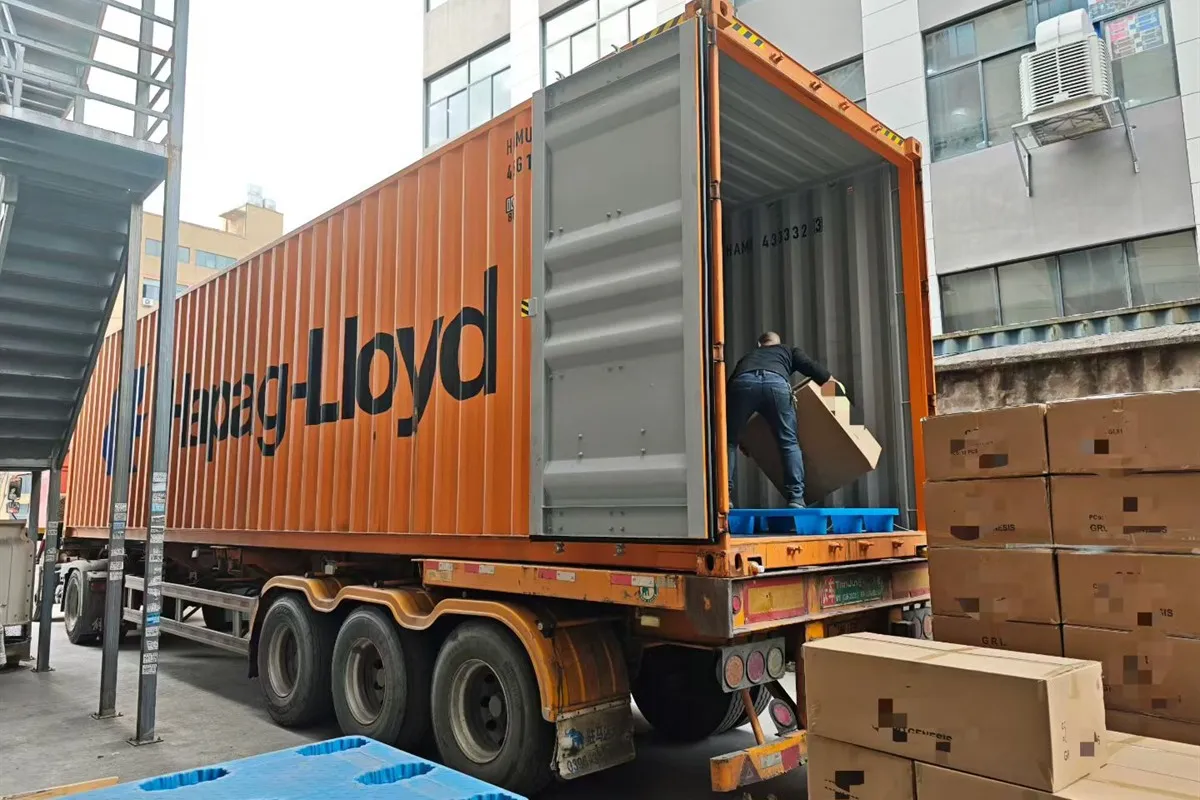
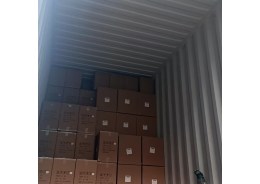
For palletized orders, specify pallet material and dimensions, units and cartons per layer, maximum height and weight, overhang rule, corner protection, stretch wrap or strapping, and label position. For floor-loaded containers, confirm loading orientation, mixed-SKU sequence, unloading constraints, moisture-control plan where applicable and whether loading photos or a final loading list are required.
Choose a validation plan that matches the distribution route
Packaging validation should reproduce the relevant risks of the intended route and use clear acceptance criteria. It may include visual inspection, dimension and weight checks, barcode scanning, closure checks, vibration, impact or drop sequences, compression or stacking, climatic conditioning and post-test product inspection. Not every project needs every test.
ISTA describes its 3-Series procedures as general simulation tests for transport environments. ISTA Procedure 3A, for example, is intended for individual packaged products up to 70 kg moving through parcel delivery systems. That makes it a possible reference for some e-commerce shipments, not an automatic specification for every drinkware order.
- Define the route: retail case, parcel, marketplace fulfillment, palletized LTL, container or a combination.
- Select the sample: use the finished SKU, production-equivalent packaging and complete accessory set.
- Write the method: name the applicable protocol or buyer procedure, conditioning, sequence, sample count and laboratory requirement.
- Set acceptance criteria: leakage, breakage, deformation, coating damage, box failure, barcode readability, part movement and saleable appearance.
- Control changes: state which changes to the product, insert, board, carton, pack count or supplier require re-evaluation.
Keep the approved sample, dieline, artwork revision, packing specification, test report when required, inspection photos and exception approval together. The pre-shipment quality-control guide shows how packaging checks can be incorporated into the final inspection scope.
Put the packaging specification into the RFQ and purchase order
The packaging section of an RFQ should make every quotation comparable. Ask suppliers to identify assumptions and price alternatives separately when the box, insert, print finish, barcode label, test plan or pallet route is undecided.
Exact model, lid, accessories, finish, decoration and quantity per SKU.
Bag or protection, insert, box style, material, dieline, artwork, instruction and closure.
GTIN or marketplace label, language, warnings, carton marks and approval responsibility.
Sales channel, parcel or case route, pallet or container method, destination and handling constraints.
Samples, test method, acceptance criteria, records, inspection and change-control triggers.
Packaging MOQ, setup and tooling, unit cost, sample cost, lead time, waste allowance and replacement responsibility.
The broader custom drinkware RFQ checklist can be used to align packaging with product structure, materials, artwork, quality and delivery terms.
Balance protection, presentation, cost and market obligations
More packaging is not automatically safer or commercially better. Extra inserts, coatings, windows and overboxes add material, labor, cube, tooling and approval time. Reducing material without checking restraint, closure and the distribution route can increase damage or returns. Compare alternatives on total delivered risk rather than box price alone.
For products placed on the EU market, packaging design also has regulatory implications. Regulation (EU) 2025/40 covers packaging throughout its life cycle and includes sustainability, labeling and waste-prevention obligations. Use the separate PPWR guide for drinkware importers as a starting point, then confirm the exact obligations and implementation details with qualified advisers.
Bluegreen can review the selected drinkware model, included components, individual pack, master-carton quantity, labels, destination and proposed loading route as one project. MOQ remains model- and packaging-specific. Typical production lead time is approximately 7–35 days depending on the product, order quantity, customization, approvals and confirmed production plan; printed packaging and testing can add their own approval steps.
To request a packaging feasibility review, send the bottle or cup model, complete accessory set, target markets, sales channels, quantity by SKU, artwork status, barcode system, individual pack, master-carton requirements, fulfillment route and target delivery date through the Bluegreen customization form.
Frequently asked questions
What should a custom drinkware packaging specification include?
It should define the finished SKU and accessories, product protection, individual box or bag, insert, artwork, barcode and labels, inner pack, master carton, pallet or loading method, validation plan, approval records and change-control rules.
Can the same packaging be used for retail and e-commerce orders?
Yes, but only if it satisfies both routes. Confirm point-of-sale or warehouse scanning, shelf presentation, individual parcel protection, closure, dimensions, marketplace preparation and whether the retail box will receive an additional shipping overbox.
Does every e-commerce drinkware package need ISTA 3A testing?
No. ISTA 3A is designed for certain individual parcel-delivery packages up to 70 kg, but the appropriate method depends on the distribution route, platform, product, package and buyer requirements. State the applicable procedure instead of writing only “drop test required.”
Who should provide the barcode for a private-label drinkware order?
The brand owner or buyer should control the valid product identifier and confirm the barcode system, scanning environment and SKU mapping. The supplier can place or print the approved code, but should not invent the number or decide market ownership.
When should buyers approve packaging for bulk production?
Approve it after the finished product structure, accessories, dieline, artwork, printed sample, barcode scan, pack arrangement, carton data and required validation are confirmed. Define which later changes require reapproval.
What packaging details affect a drinkware quotation?
Box and insert material, print colors and finishes, dieline, packaging quantity, barcode labels, instructions, protective parts, carton arrangement, palletization, tests and approval samples can all affect setup cost, unit cost, MOQ and lead time.
References and further reading
- GS1 General Specifications, Release 26.0 — Official GS1 rules covering data carriers, barcode quality and placement.
- GS1: Ten steps to barcode implementation — Official guidance on scanning environment, barcode selection, size and placement.
- ISTA test procedures — Official overview of parcel, LTL and other packaged-product procedures.
- Amazon: FBA prep, packaging, and labeling guide — Official Amazon overview; sellers should verify current country- and account-specific instructions.
- Amazon Ships in Product Packaging — Official program overview for eligibility, packaging and testing.
- Regulation (EU) 2025/40 on packaging and packaging waste — Official EUR-Lex text of the PPWR.
Send the packaging details that determine feasibility
Share the drinkware model, included parts, target market, sales channel, quantity by SKU, artwork and barcode status, unit pack, carton requirements, fulfillment route and target date.
This guide provides general B2B sourcing information, not legal or laboratory advice. Confirm market-specific requirements, test methods, and acceptance criteria with qualified professionals before production.



 English
 German
 French
 Russian
 Spanish
 Japanese
 Korean
 Portuguese
 Ukrainian
 Arabic
 Italian

Leave A Comment