
PPWR Readiness for EU Drinkware Imports
EU Packaging Regulation 2026: A PPWR Compliance Guide for Drinkware Importers
Regulation (EU) 2025/40 generally applies from 12 August 2026, but not every requirement begins on the same date. Importers need a packaging-component map and a role-specific implementation plan.
Short answer
The EU Packaging and Packaging Waste Regulation—Regulation (EU) 2025/40—entered into force on 11 February 2025 and generally applies from 12 August 2026. It covers packaging and packaging waste across materials and uses, but individual obligations, delegated acts, and transition dates must be checked separately.
Drinkware importers should map every packaging component, assign manufacturer/importer/distributor/producer roles, collect technical information, review conformity and labeling, plan recyclability and minimization data, and confirm Member State extended producer responsibility obligations.
What counts as packaging in a drinkware program
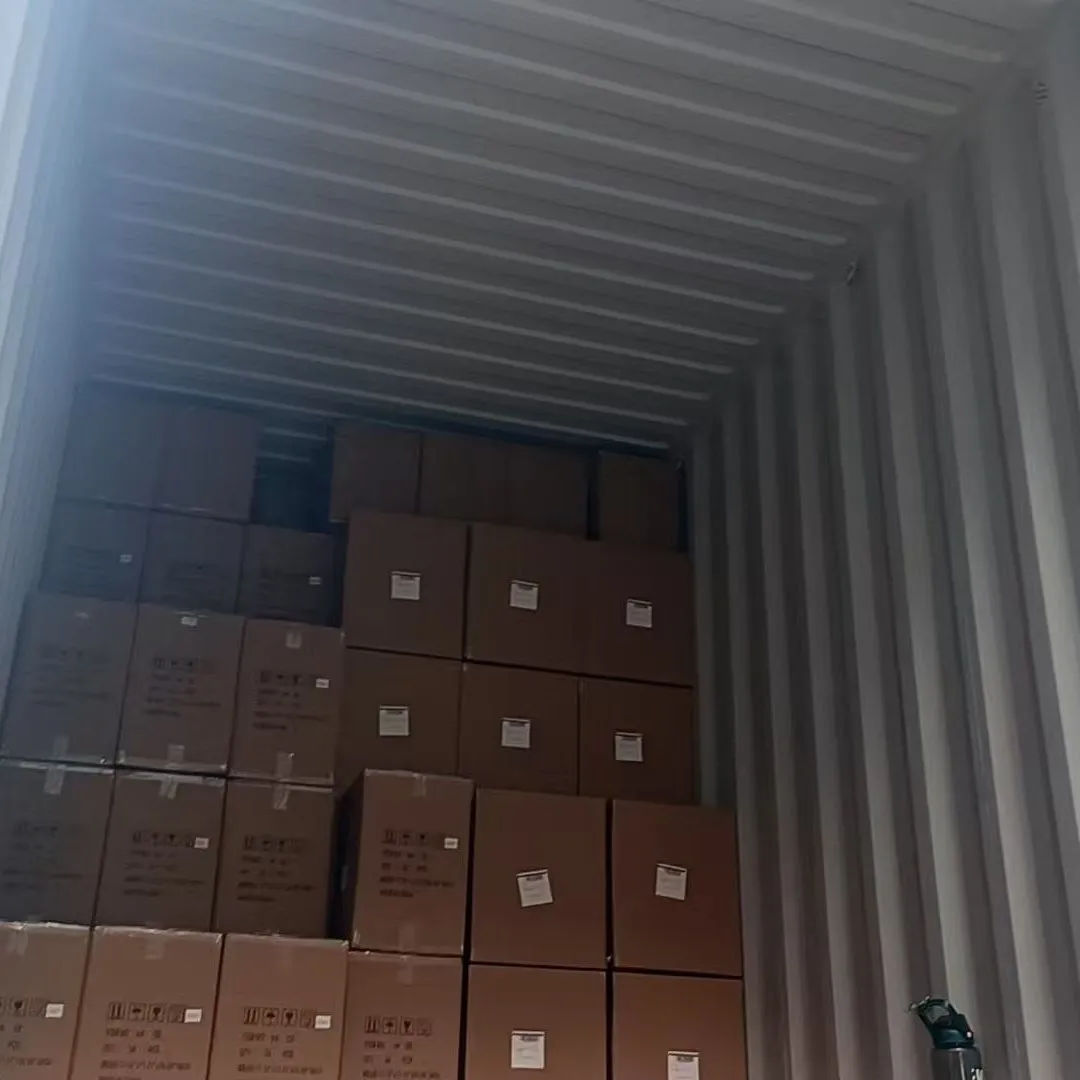
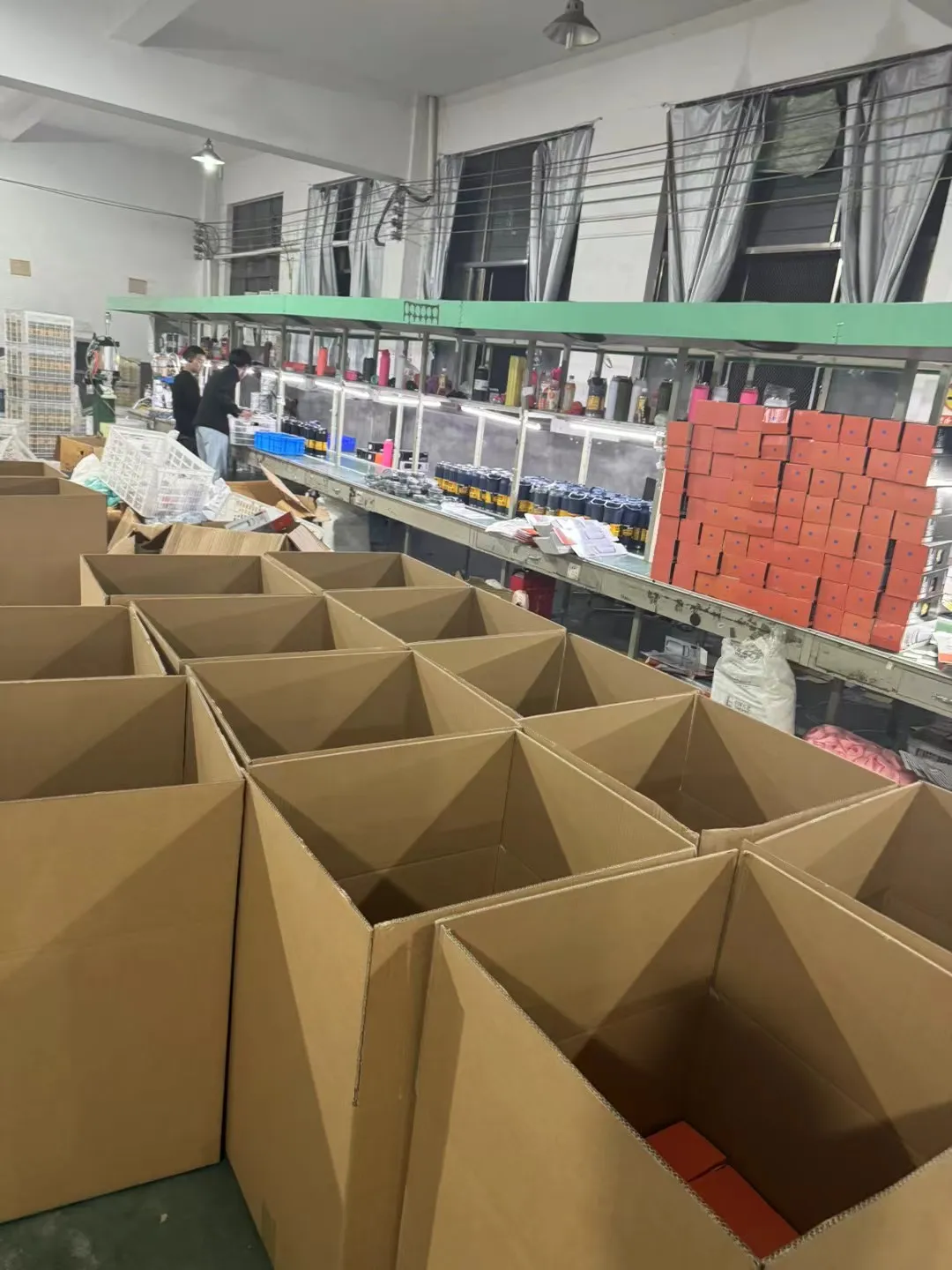
Do not review only the retail box. Map packaging from the individual unit through transport and e-commerce fulfillment. Classify each component by material, weight, function, supplier, reuse status, and market destination.
| Level | Examples to include | Data to collect |
|---|---|---|
| Primary or sales packaging | Retail box, sleeve, pouch, insert, protective bag, label, seal | Material, weight, supplier, dimensions, print, function, recyclability information |
| Grouped packaging | Inner carton, divider, assortment tray, bundle wrap | Units grouped, material, weight, empty-space role, separation |
| Transport packaging | Master carton, tape, corner board, stretch wrap, pallet, straps | Load configuration, protection function, material, weight, reuse or recovery route |
| E-commerce packaging | Mailer, void fill, return packaging, shipping label | Sales-channel owner, size selection, empty space, destination system |
Assign economic-operator roles before collecting documents
The PPWR assigns obligations by role. A party that has packaging designed or manufactured under its own name or trademark can be treated as a manufacturer under the Regulation’s definitions and Article 15 framework. An importer brings packaging from a third country to the Union market; distributors and producers subject to EPR have additional responsibilities.
| Role question | Why the answer matters |
|---|---|
| Whose name or trademark is on the packaging? | Private-label activity can place manufacturer obligations on the brand or importer. |
| Who first places the packaged product on an EU market? | This helps identify importer and producer/EPR responsibilities. |
| Who designs or changes the packaging? | A modification affecting compliance can shift responsibility. |
| Which Member States receive the goods? | Producer registration, reporting, fees, and local administration are country-specific. |
| Who holds the technical file and declaration? | Records must be available to authorities for the required period. |
Manufacturer and importer controls under the PPWR
Article 15 requires manufacturers to place only conforming packaging on the market, carry out the conformity assessment, prepare technical documentation and an EU declaration of conformity, maintain series-production conformity, identify packaging, and provide contact information. Record-retention periods differ for single-use and reusable packaging.
Article 18 requires importers to check that the conformity assessment and technical documentation exist, labeling and required documents are present, and manufacturer identification duties are met. Importers must add their contact details, protect compliance during storage and transport, act on suspected nonconformity, keep the declaration, and provide documents to authorities on request.
The detailed requirement dates and harmonized methods are not all identical. Use the current legal text, delegated or implementing acts, standards, and competent guidance rather than treating 12 August 2026 as one universal completion date.
Build the packaging technical file by component
Packaging drawing, type, component list, material, weight, supplier, SKU, and batch.
Applicable Articles 5–12, design claims, reuse status, labeling, and assessment route.
Supplier declarations, test or calculation records, design evidence, and material data.
Series-production checks, change control, nonconformance, traceability, and retention.
Article 16 requires suppliers of packaging or packaging materials to give manufacturers the information and documentation needed to demonstrate conformity. Put this duty into supplier purchase specifications and change-notification agreements; a material name and recycling symbol are not a complete file.
Review Bluegreen’s custom packaging options, then lock component drawings, material information, print files, weights, and protection requirements. Add order-specific checks to the quality-control plan.
Plan design, labeling, recyclability, and EPR as separate workstreams
Packaging minimization, substances, recyclability, recycled content where applicable, compostability for specified packaging, reuse, labeling, and extended producer responsibility sit in different parts of the Regulation and do not share one simple checklist or date.
- Minimization: document why material, dimensions, void, and components are necessary for product protection and function.
- Recyclability: collect material and component design data and follow the applicable methodology and timetable.
- Labels: monitor Article 12 implementation, format, data-carrier, language, and national collection information.
- EPR: identify the producer, register in each required Member State, appoint representatives where needed, report quantities, and fund obligations.
- Claims: avoid unqualified “eco-friendly,” “recyclable,” or “PPWR compliant” wording without scope and substantiation.
What to request from a drinkware and packaging supplier
| Request | Details |
|---|---|
| Packaging schedule | Every component, material, weight, dimensions, function, supplier, and drawing revision |
| Source documents | Material declarations, specifications, test or calculation support, and contact details |
| Print and labels | Approved artwork, inks, data carriers, identifiers, warnings, and language versions |
| Production control | Incoming checks, weight or material verification, traceability, change control, and nonconformance |
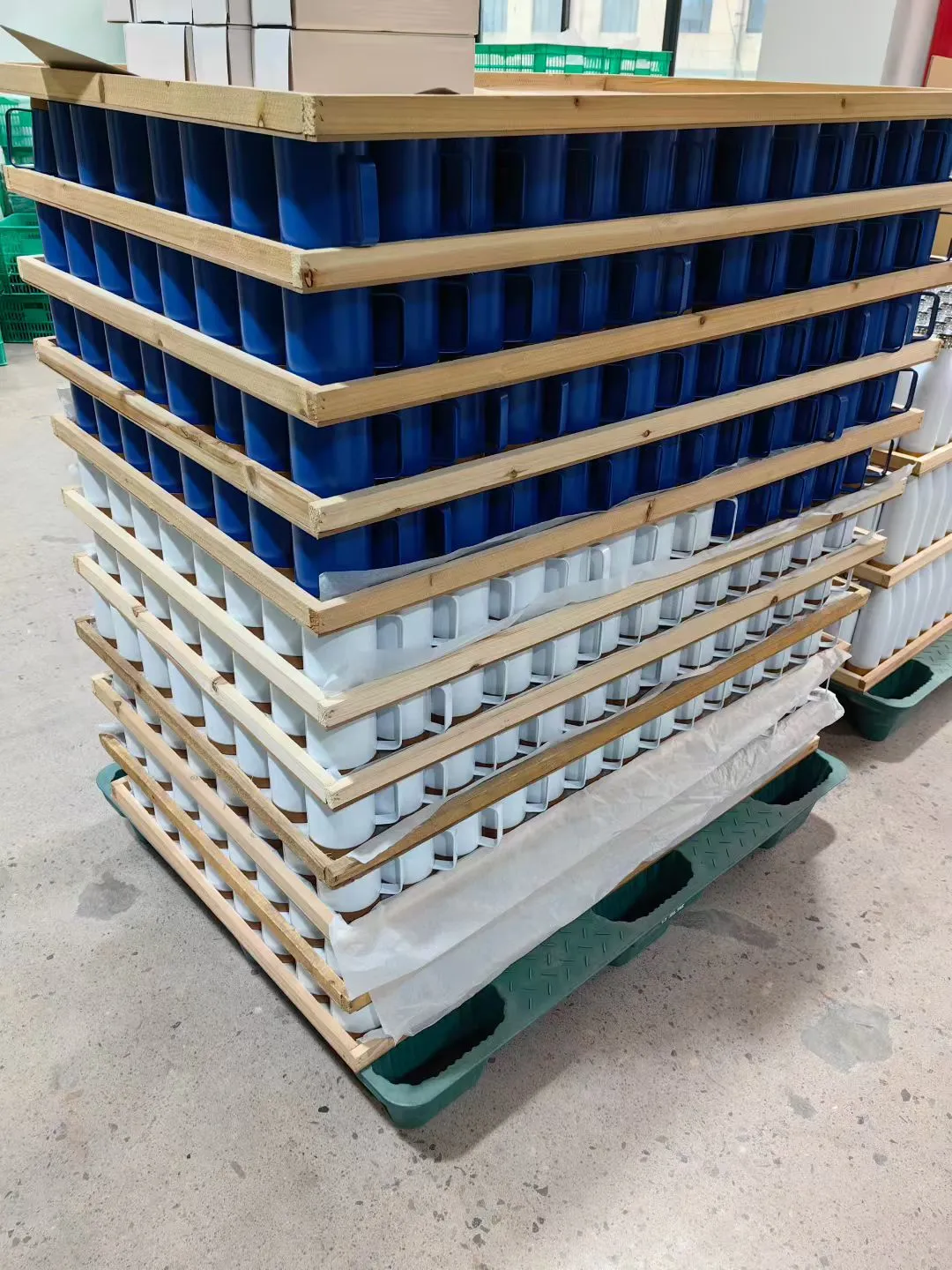
| Logistics | Pack-out, carton and pallet configuration, protection basis, damage data, and destination variants |
Send the product SKU, destination Member States, packaging map, retail and e-commerce channels, protection needs, labeling file, quantity, pallet rules, and delivery target through Bluegreen’s customization form. The EU economic operator should provide the final compliance and labeling instructions.
A practical PPWR implementation timeline
- Now: identify legal roles, markets, SKUs, packaging components, suppliers, materials, weights, and missing data.
- Next: map applicable obligations and dates with EU counsel or a qualified compliance adviser; update supplier agreements and technical files.
- Before artwork freeze: confirm identifiers, economic-operator details, labels, symbols, languages, and any digital carrier.
- Before production: approve packaging drawings, materials, weights, samples, conformity support, and change controls.
- Before placing on market: complete declarations, role-specific checks, EPR registration and reporting setup, and record retention.
- Ongoing: monitor delegated acts, implementing rules, harmonized specifications, national systems, and product or packaging changes.
Frequently asked questions
When does the EU PPWR apply?
Regulation (EU) 2025/40 entered into force on 11 February 2025 and generally applies from 12 August 2026. Individual provisions, transition periods, delegated acts, and implementation deadlines must be checked separately.
Does PPWR apply to drinkware retail boxes and shipping cartons?
The Regulation covers packaging across materials and packaging levels. A drinkware program should map retail, grouped, transport, and e-commerce components, then confirm classification and obligations for each.
Who prepares the EU declaration of conformity for packaging?
The manufacturer under the PPWR must carry out the conformity assessment and draw up the declaration. Private-label and modification scenarios can affect who is considered the manufacturer, so assign roles using the exact business arrangement.
Is a recycling symbol enough for PPWR compliance?
No. The PPWR also addresses design, substances, minimization, recyclability, labeling, conformity documentation, economic-operator identification, traceability, EPR, and other obligations with different implementation details.
Can Bluegreen certify that an importer is PPWR compliant?
Bluegreen can provide order-specific packaging specifications and supplier information within its scope. The EU economic operator must determine its legal role, complete conformity and EPR duties, and verify current market-specific requirements with qualified advisers.
References and further reading
- Regulation (EU) 2025/40 on packaging and packaging waste — Official PPWR legal text.
- EUR-Lex summary of Regulation (EU) 2025/40 — Official plain-language summary.
Build the packaging map before approving the carton
Send the product, EU markets, packaging components, materials, weights, retail and e-commerce needs, labels, quantities, pallet rules, and delivery target.
This guide provides general B2B sourcing information, not legal or laboratory advice. Confirm market-specific requirements, test methods, and acceptance criteria with qualified professionals before production.



 English
 German
 French
 Russian
 Spanish
 Japanese
 Korean
 Portuguese
 Ukrainian
 Arabic
 Italian

Leave A Comment