
EU Marketplace Listing Readiness
AliExpress DSA Fine 2026: What Drinkware Sellers Need Before Listing Custom Bottles in the EU
The Commission’s €550 million AliExpress decision focused on platform DSA failures. Sellers still need their own trader, product, safety, traceability, and market-compliance file before a custom bottle goes live.
Short answer
On 20 July 2026, the European Commission announced a €550 million fine against AliExpress for Digital Services Act failures involving systemic risks from illegal, unsafe, and counterfeit products. The decision addresses the platform; it does not create a €550 million liability for each seller.
Drinkware sellers should use the event as a readiness check: verify the trader account, EU economic-operator setup, product identity, materials and claims, warnings and instructions, test and declaration scope, listing fields, traceability, complaint handling, and recall records before publishing.
What the Commission’s AliExpress decision actually says
The Commission’s announcement states that AliExpress breached the DSA by failing to adequately assess and mitigate systemic risks related to illegal products, including unsafe and counterfeit goods, and imposed a €550 million fine. Use the official decision announcement for the event facts; do not rely on social-media summaries.
The enforcement target is the very large online platform’s DSA duties. Seller obligations arise from the DSA trader-traceability system, EU product and consumer law, the General Product Safety Regulation, food-contact rules, intellectual-property law, tax and customs rules, and platform terms as applicable.
Prepare the trader information marketplaces must collect
DSA Article 30 requires marketplaces that enable consumer distance contracts to obtain specified trader information before the trader offers products to EU consumers. This includes contact details, identification, payment information, trade-register information where applicable, and a self-certification commitment to offer compliant products.
| Trader field | Preparation check |
|---|---|
| Legal identity | Exact legal name, address, telephone, email, and consistent account ownership |
| Identity document | Valid document or electronic identification accepted for the account type |
| Payment account | Account details aligned with the verified trader and platform requirements |
| Trade register | Register name, number, jurisdiction, and current extract where applicable |
| Self-certification | Internal process that supports the commitment to sell products compliant with EU law |
| Change control | Prompt update after company, address, representative, or payment changes |
The platform makes best efforts to assess reliability and completeness using official databases or supporting documents. Sellers should resolve spelling, entity, address, and account mismatches before uploading products.
Build the product listing fields required for EU distance sales
GPSR Article 19 requires online offers to clearly and visibly show at least manufacturer contact information; the EU responsible person’s information when the manufacturer is outside the Union; product identification including a picture and type or identifier; and warnings or safety information in a language consumers can understand as determined by the Member State.
Legal name or trademark plus postal and electronic contact details.
Name, postal address, and electronic address where required.
Accurate image, type, model, SKU, capacity, color, lid, accessories, and identifier.
Warnings, temperature or beverage limits, assembly, use, cleaning, and language versions.
DSA Article 31 requires marketplace interfaces to enable traders to provide pre-contractual, compliance, and product-safety information, including economic-operator details. Platform fields help transmit information; they do not decide whether the underlying product is compliant.
Create the product file before writing sales claims
Lock the exact bottle body, lid, handle, straw only when present, gasket, metal and plastic components, accessories, materials, finish, artwork, packaging, warnings, and intended use. Use production-representative images and do not show functions or parts absent from the shipped SKU.
| Listing claim | Internal source |
|---|---|
| Material | BOM, component scope, supplier records, and agreed verification |
| Capacity and dimensions | Controlled drawing and defined measurement or fill method |
| Leak or thermal claim | Exact product revision and defined functional test |
| Food-contact or BPA statement | Current product-specific declarations, support, intended use, and market scope |
| Finish and logo | Approved sample, artwork, process, color and durability limits |
| Included items | Pack-out list, packaging sample, SKU and barcode records |
Use the food-contact materials guide and pre-shipment QC framework to align the listing with the manufactured and inspected product.
Connect marketplace SKU to factory and shipment records
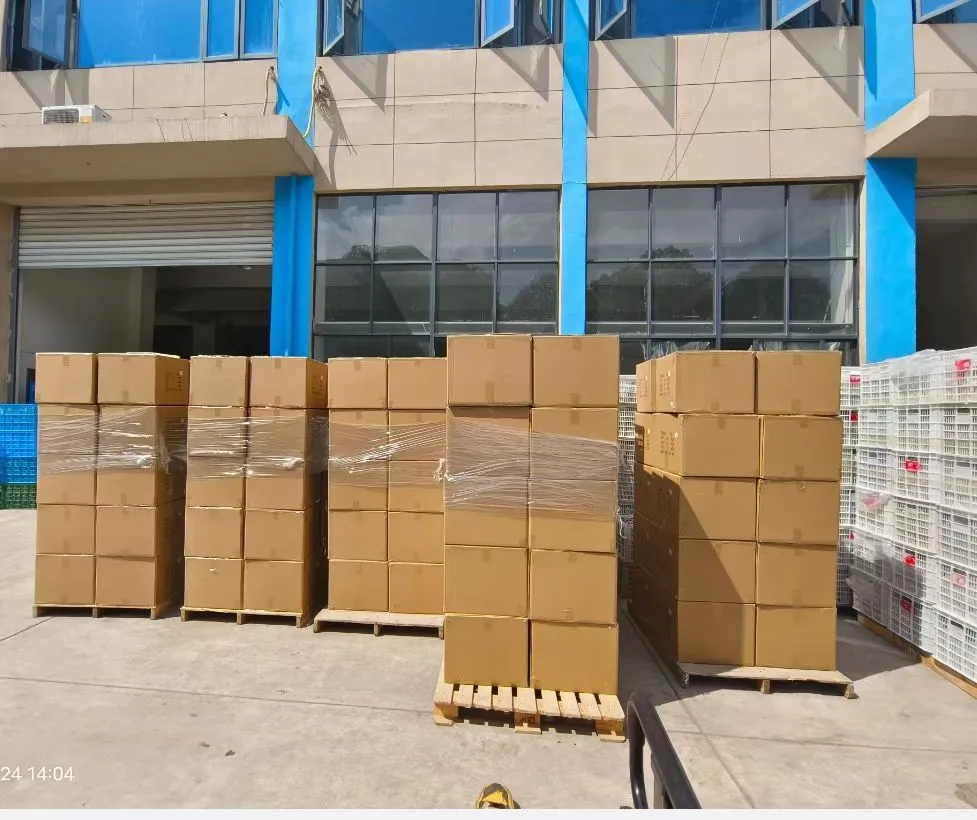
A listing identifier is useful only when it leads to the production lot and affected consumers. Keep marketplace SKU, product revision, order, component lots, production date and site, inspection, carton code, shipment, warehouse receipts, and sales period connected.
- Assign product and lot identifiers before packaging artwork and labels are frozen.
- Do not reuse one SKU for materially different lids, materials, warnings, or compliance files.
- Record which cartons and shipments contain each production lot and market version.
- Keep customer-order and fulfillment data accessible for safety notice or recall action.
- Control replacements, spare lids, and bundles because they can change product scope.
Prepare complaint, takedown, and recall workflows
Define who monitors platform notices and reviews, evaluates product-safety signals, contacts the manufacturer and EU responsible person, stops sales, isolates stock, informs authorities, notifies consumers, and records corrective action. A marketplace takedown should not be the first time the team looks for the product file.
- Triage complaints by safety, compliance, counterfeit, quality, fulfillment, listing mismatch, and misuse.
- Identify affected model, revision, lot, market, seller account, warehouse, and sales period.
- Preserve listing copies, orders, reports, customer evidence, retained samples, and communications.
- Consult the responsible economic operator and qualified legal or safety adviser on notifications and remedies.
- Prevent relisting until root cause, product scope, corrective action, documents, and platform requirements are resolved.
What EU marketplace sellers should request from the factory
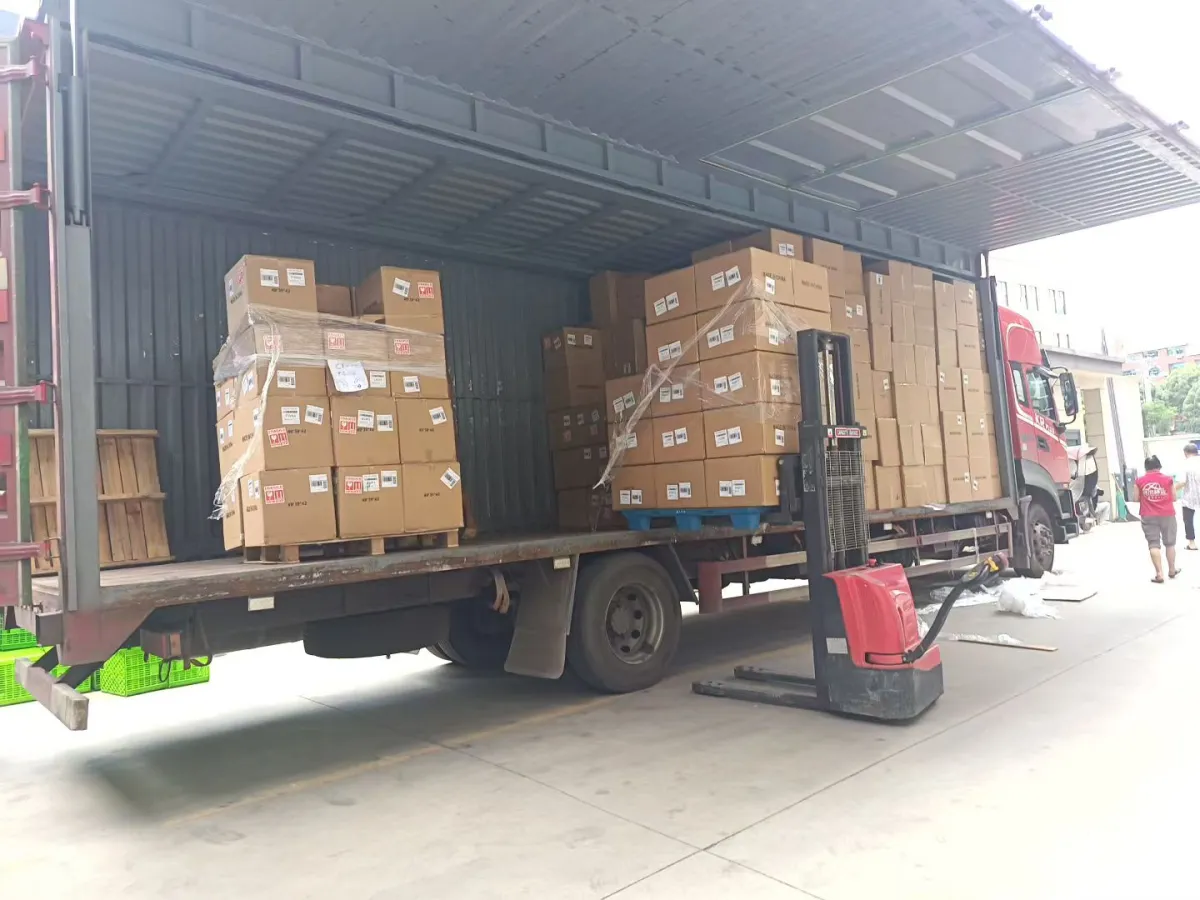
Send the target EU Member States and platform, exact product structure, materials and claims, economic-operator and label fields, warnings and languages, documents and test scope, product and lot identifiers, packaging, quantity by SKU, inspection, retained samples, change notification, and delivery date through Bluegreen’s customization form. The EU seller remains responsible for its role and listing.
Frequently asked questions
Was AliExpress fined €550 million under the DSA in 2026?
Yes. The European Commission announced the fine on 20 July 2026 for DSA failures involving assessment and mitigation of systemic risks related to illegal products, including unsafe and counterfeit goods.
Does the AliExpress fine directly apply to individual drinkware sellers?
The Commission decision concerns AliExpress as a platform. Individual sellers still have their own obligations under applicable EU product, safety, food-contact, consumer, IP, tax, customs, platform, and trader-verification rules.
What information must an EU online drinkware offer show under GPSR?
Article 19 requires manufacturer contact details, the EU responsible person’s details when applicable, product identification including a picture and type or identifier, and required warnings or safety information in appropriate consumer languages.
Can a platform listing use the factory’s test report for every bottle?
No. Confirm that the report covers the exact model, materials, colors, components, intended use, methods, market, production revision, and claim. One report may not cover another lid, gasket, coating, or SKU.
What should sellers do before relisting a removed product?
Identify the removal basis, stop affected sales, verify the exact product and lot, correct documents or product issues, complete required safety or authority actions, update the listing, and obtain platform clearance where required.
References and further reading
- European Commission — €550 million AliExpress DSA fine — Official Commission announcement dated 20 July 2026.
- Regulation (EU) 2022/2065 — Digital Services Act — Official DSA text, including Articles 30 and 31.
- Regulation (EU) 2023/988 — General Product Safety Regulation — Official GPSR text, including distance-sale information.
Build the listing file before the shipment leaves
Send the EU markets and platform, exact product, materials, claims, responsible-party fields, warnings, documents, identifiers, packaging, quantity by SKU, inspection, and target date.
This guide provides general B2B sourcing information, not legal or laboratory advice. Confirm market-specific requirements, test methods, and acceptance criteria with qualified professionals before production.




 English
 German
 French
 Russian
 Spanish
 Japanese
 Korean
 Portuguese
 Ukrainian
 Arabic
 Italian

Leave A Comment