
Carton-Efficiency Guide for B2B Buyers
Why Tumblers With the Same Capacity Can Have Different Shipping Costs: A Carton-Efficiency Breakdown for B2B Buyers
Compare equal-capacity tumblers by packed dimensions, carton cube, gross weight and route-specific chargeable weight—not unit price alone.
Short answer
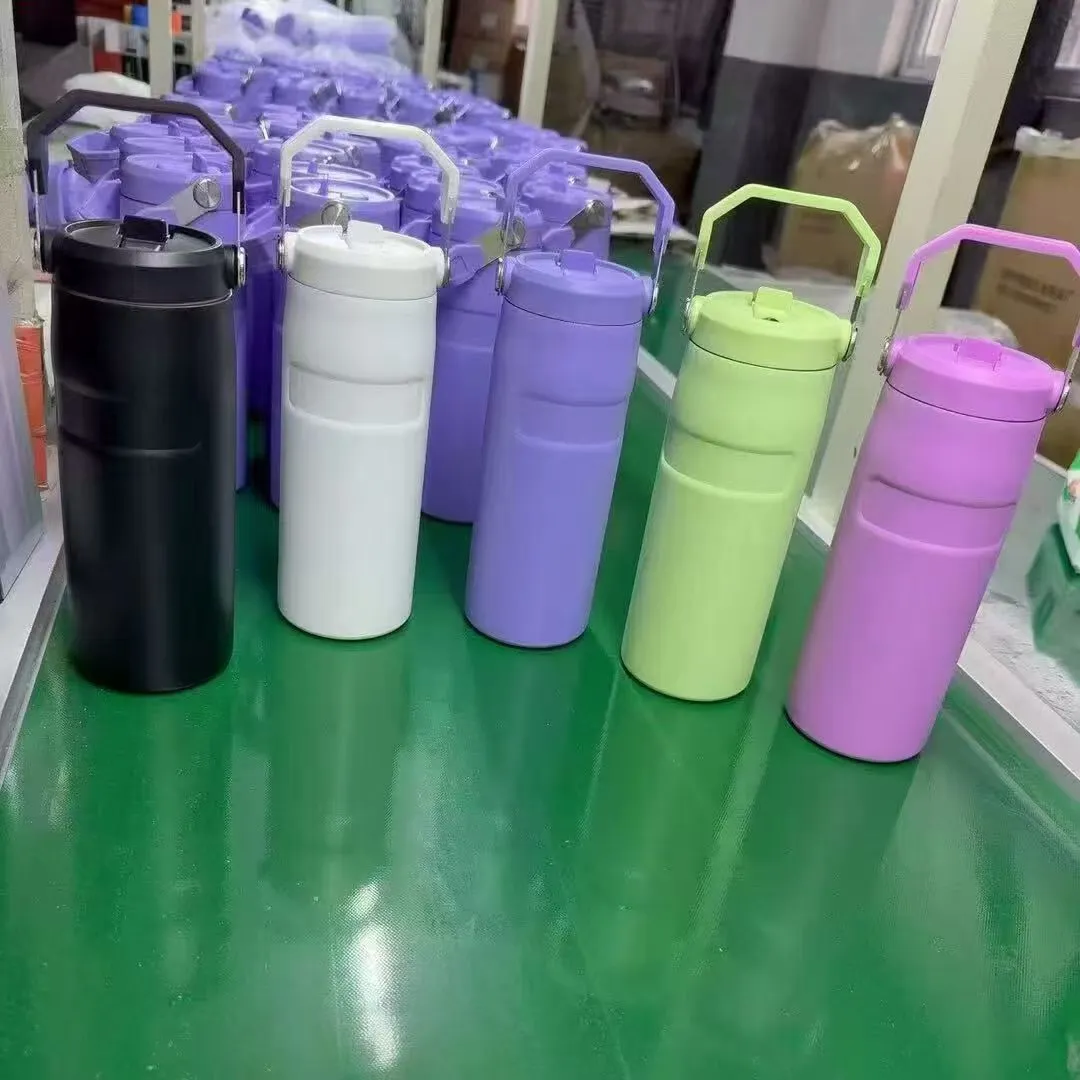
Capacity measures the liquid inside—not the space the packed tumbler occupies. Two 600 ml tumblers can use different handles, lids, bases, gift boxes, dividers and packing orientations. Those choices change the outer-carton dimensions, units per carton and gross weight.
In three Bluegreen 600 ml carton-specification samples, carton cube per 1,000 units ranges from 2.132 m³ to 2.832 m³—a 32.9% difference—although every sample is packed 50 units per carton. Buyers should therefore compare the finished product configuration and carton specification, not capacity and unit price alone.
Why the same capacity is not the same shipping size
Nominal capacity answers one product question: how much liquid the vessel is designed to hold. Freight calculations use a different set of measurements—the packed external dimensions, actual weight and shipment configuration.
A side handle can make a tumbler much wider than its body diameter. A carry handle may raise the lid profile. A straw, spare seal, instruction card or individual color box adds another packing constraint. Even when two cup bodies hold the same volume, the complete retail-ready products may not nest or orient in a carton the same way.
Capacity is a product attribute. Carton cube and gross weight are logistics attributes. Both belong in a B2B quotation, but one cannot be reliably inferred from the other.
This is also why a lower factory unit price does not always produce a lower landed cost. For a fuller cost model beyond cartons, see our custom tumbler price breakdown for bulk orders.
A 600 ml carton-efficiency comparison using factory specification samples
The table below normalizes three 600 ml / 20 oz tumbler configurations to the same pack count: 50 units per master carton. The difference is product structure. One uses a standard lid, one uses a carry-handle lid, and one has a large side handle.
| 600 ml configuration | Outer carton (cm) | Units / carton | Gross weight | Carton cube | Cube / 1,000 units | Cube vs baseline |
|---|---|---|---|---|---|---|
| Standard lid | 49.5 × 49.5 × 43.5 | 50 | 14.0 kg | 0.1066 m³ | 2.132 m³ | Baseline |
| Carry-handle lid | 56 × 53 × 43 | 50 | 19.8 kg | 0.1276 m³ | 2.552 m³ | +19.7% |
| Side handle | 68 × 49 × 42.5 | 50 | 19.3 kg | 0.1416 m³ | 2.832 m³ | +32.9% |
Carton cube (m³) = length × width × height in cm ÷ 1,000,000
Cube per unit = carton cube ÷ units per carton
At an order quantity of 10,000 units, every configuration requires 200 cartons at the recorded pack count. The calculated carton cube is approximately 21.317 m³ for the standard-lid version, 25.525 m³ for the carry-handle-lid version and 28.322 m³ for the side-handle version. The widest gap is about 7.005 m³ before pallet allowance, loading voids or route-specific constraints are considered.
These are carton-specification samples, not guaranteed loading quantities or freight quotes. Always approve the final packing configuration and obtain a route-specific quotation before placing the order.
Six design and packing choices that change the carton envelope
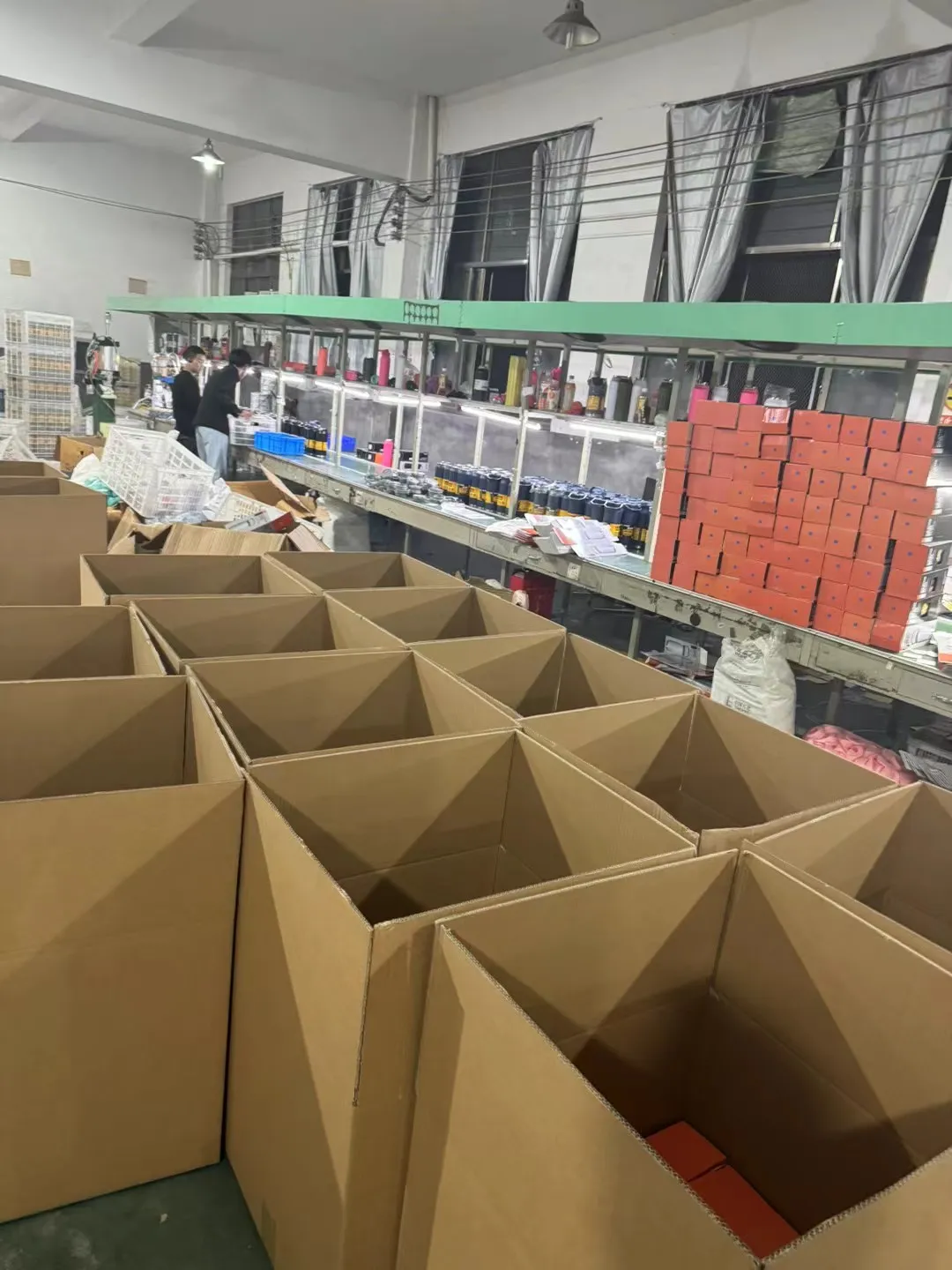
The carton is the result of a product-and-packaging system. A buyer can only compare quotes accurately when suppliers price the same system.
- Handle geometry: a fixed side handle usually creates a wider packed envelope than a straight bottle body. A folding or lid-mounted handle may use space differently.
- Lid height and diameter: tall flip mechanisms, straw housings and carry handles can increase overall height or prevent efficient alternating orientation.
- Accessories: reusable straws, brushes, spare seals and instruction leaflets may require a bag, cavity or separate compartment.
- Individual packaging: a retail color box, sleeve or protective bag adds dimensions that a bulk polybag pack may not have.
- Divider and protection design: partitions, top-and-bottom pads and clearance reduce contact damage but consume carton space.
- Units per carton and orientation: changing the row layout or pack count can improve cube per unit, but only if the carton remains safe to handle and protects the finish.
For custom projects, confirm these choices during sampling rather than after the purchase order. Bluegreen's customized drinkware services can align the product configuration, decoration and packaging specification before bulk production.
How dimensional weight can change parcel and air-freight comparisons
Parcel and air services may compare actual weight with dimensional—also called volumetric—weight and charge whichever is greater under the applicable service rules. DHL and FedEx publish examples using carton dimensions divided by 5,000 when measurements are in centimeters, while UPS notes that the conversion ratio varies by mode and market.
Using a 5,000 cm³/kg divisor only as an illustration, the three sample cartons produce the following dimensional weights:
| Configuration | Actual gross weight | Illustrative dimensional weight | Higher value in this example |
|---|---|---|---|
| Standard lid | 14.0 kg | 21.32 kg | 21.32 kg dimensional |
| Carry-handle lid | 19.8 kg | 25.52 kg | 25.52 kg dimensional |
| Side handle | 19.3 kg | 28.32 kg | 28.32 kg dimensional |
This does not mean every shipment will be billed at those values. The carrier, origin, destination, service, measurement rules, rounding method and negotiated contract determine the real chargeable weight. Use the final packed-carton dimensions in the carrier or forwarder's current calculator instead of estimating from tumbler capacity.
Why carton cube still matters for ocean LCL and container planning
Ocean logistics uses different commercial rules from express freight, but carton cube remains important. For less-than-container-load shipments, the forwarder evaluates shipment volume and weight under the applicable tariff. For full-container planning, the carton footprints, orientations and voids determine whether the theoretical internal volume can be used efficiently.
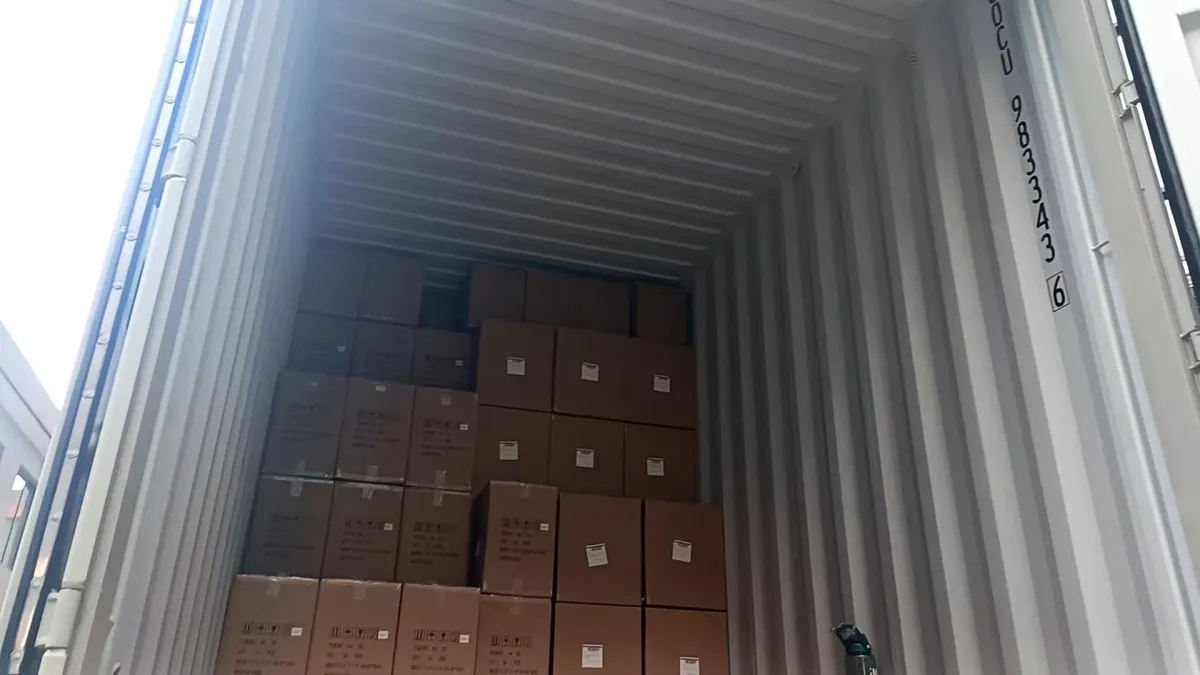
As size context, Maersk lists cargo capacities of 33.2 m³ for a 20-foot standard container, 67.7 m³ for a 40-foot standard container and 76.4 m³ for a 40-foot high-cube container. Those figures are not a promise of usable carton volume. Door dimensions, weight limits, carton orientation, mixed SKUs, pallets, dunnage and loading practice reduce or reshape the available space.
Do not estimate cartons per container by dividing container capacity by one carton cube and rounding down. Ask for a loading plan based on actual carton dimensions and orientation.Practical sourcing rule
In the 10,000-unit comparison above, the 7.005 m³ gap between the standard-lid and side-handle configurations is commercially meaningful, but it still cannot be translated into a freight saving without a real route, packing plan and quotation.
How to normalize two tumbler quotations before comparing landed cost
Start by ensuring both suppliers are pricing the same finished configuration. Then separate the product price from the logistics inputs so that a hidden packaging difference does not look like a factory-price advantage.
Once those fields match, calculate total carton cube and total gross weight. Send both to the same forwarder for the same route and validity period. Our custom drinkware RFQ checklist covers the broader product, packaging and verification details that should accompany this logistics comparison.
When carton-efficiency redesign helps—and when it creates false savings
Carton optimization is useful when it removes avoidable air without weakening product protection. Possible changes include folding handles, revising accessory placement, alternating product orientation, adjusting divider geometry or changing pack count within safe handling limits.
However, the smallest carton is not automatically the best carton. Compressing protective clearance can increase abrasion, denting or retail-box damage. Increasing units per carton may create an overweight box for warehouse handling. Removing a divider may reduce cube but create a higher claim or rework risk.
Minimize landed cost per saleable unit—not carton volume in isolation. The approved solution should balance cube, weight, protection, handling, retail presentation and the actual transport route.
For a structural or packaging change, approve a packed sample and record the final outer-carton dimensions before relying on the revised calculation.
The carton-efficiency fields to add to your next RFQ
Ask suppliers to return the following fields in a consistent table. This makes the quotation easier for procurement, logistics and finance teams to review together.
- Product model, capacity and finished external dimensions
- Lid and handle configuration, including whether components fold or detach
- Included accessories and where each item is packed
- Individual packaging type and dimensions
- Master-carton material, divider and protective-pad specification
- Units per carton and packing orientation
- Outer-carton length × width × height in centimeters
- Net weight and gross weight per carton
- Total cartons, calculated total cube and total gross weight
- Pallet dimensions and pallet count, if palletized
- A packed-carton photo or diagram and the date of the specification
Treat preliminary carton data as an estimate when the product, lid, accessories or retail packaging are still changing. Mark the specification as final only after the approved sample and production packaging are aligned.
How Bluegreen supports a product-and-carton review
Bluegreen manufactures stainless steel, plastic and titanium drinkware and can review the product structure together with the intended packing method. For a meaningful comparison, send the target market, order quantity, model, lid and handle, accessory list, decoration, individual packaging, destination and expected transport mode.
MOQ is model-specific. Typical production lead time is approximately 7–35 days depending on product, quantity, customization and the confirmed production plan. Packaging development and logistics estimates should be confirmed in the quotation rather than treated as universal promises.
If the product is still at the concept or sample stage, review Bluegreen's custom drinkware process before requesting a final carton calculation.
Frequently asked questions
Why can two tumblers with the same capacity have different shipping costs?
Capacity measures internal liquid volume, while freight depends on the packed product's outer dimensions, weight, carton quantity and route. Handles, lids, accessories, gift boxes, dividers and packing orientation can make equal-capacity tumblers occupy different carton volumes.
How do I calculate carton volume per tumbler?
Multiply the outer-carton length, width and height in centimeters, divide by 1,000,000 to obtain cubic meters, and then divide by units per carton. Use the final packed-carton dimensions rather than a product drawing or an unassembled box size.
What is the difference between actual weight and dimensional weight?
Actual weight is the measured gross weight. Dimensional weight converts the carton's occupied space into a weight using a carrier's divisor. Some parcel and air services charge the greater value, but the formula, rounding and rules vary by carrier, service and contract.
Should I always choose the tumbler design with the smallest carton?
No. The correct target is landed cost per saleable unit. A smaller carton can be a false saving if reduced protection causes scratches, dents, retail-box damage, handling problems or higher claims.
Can a supplier guarantee how many tumbler cartons fit in a container?
A supplier can prepare a loading plan from confirmed carton dimensions, but the result depends on container type, carton orientation, weight limits, door clearance, pallets, dunnage and mixed-SKU requirements. Treat preliminary counts as estimates until the final packing plan is approved.
What should I request before comparing two bulk tumbler quotes?
Request the same finished product and packaging basis, units per carton, exact outer-carton dimensions, net and gross weights, total cartons, pallet basis, Incoterm, origin, destination and freight mode. Then quote both options through the same logistics basis and validity period.
References and further reading
- Chargeable and Volumetric Weight Calculator — Explains chargeable-weight concepts and mode-dependent volumetric conversion ratios.
- Parcel Weight and Dimensions — Provides a published dimensional-weight example and compares actual with volumetric weight.
- How Do I Calculate Dimensional Weight? — Describes dimensional-weight calculation and measurement rounding for its service context.
- What Is My Cargo Weight and/or Capacity? — Lists cargo-capacity context for standard and high-cube dry containers and notes local variation.
Send the product configuration—not capacity alone.
Share your model, lid and handle, accessories, retail pack, order quantity, destination and freight mode. Bluegreen can review the drinkware specification and carton inputs before bulk production.
This guide provides general B2B sourcing information, not legal or laboratory advice. Confirm market-specific requirements, test methods, and acceptance criteria with qualified professionals before production.




 English
 German
 French
 Russian
 Spanish
 Japanese
 Korean
 Portuguese
 Ukrainian
 Arabic
 Italian

Leave A Comment