
Titanium Color-Laser Guide for B2B Drinkware Buyers
Why Laser Marking Creates Color on Titanium Cups—and Why the Equipment Matters
Titanium can display gold, purple, blue, and other laser-induced colours without printed ink. The mechanism begins with an oxide layer, but the usable colour range and repeatability depend heavily on the actual equipment and production setup.
Short answer
Titanium cup laser marking can create color without printed ink because controlled laser heating changes the thin oxide layer on the metal surface. Light reflected at the air–oxide and oxide–metal boundaries interferes, so different oxide thicknesses and compositions can appear gold, purple, blue, or other colors without printed pigment.
The physical mechanism does not mean every machine can reproduce every colour. Equipment capability, laser source and control range, lens and focus, scanning strategy, fixture, atmosphere, titanium grade and finish, surface cleanliness, artwork, and viewing conditions all affect the result. Approve a physical sample made on the intended production route rather than specifying a colour name alone.
Why can a laser create colour on titanium without ink?
A laser can create colour on titanium by changing the metal's surface oxide rather than depositing coloured ink. Peer-reviewed studies describe a transparent or semitransparent laser-induced oxide film whose thickness, composition, and refractive behaviour change how visible light is reflected. The perceived colour is therefore a structural optical effect.
The equipment delivers a controlled heat input along the programmed path.
Titanium reacts strongly with oxygen, and the processed surface changes.
Light reflects at the air–oxide and oxide–metal boundaries.
Some wavelengths are reinforced while others are reduced.
Research on commercially pure titanium reports that increasing accumulated laser fluence and changing the processing atmosphere can alter oxide thickness and the resulting colour sequence. These findings explain the mechanism; they are not a parameter table for a curved drinkware product.
The visible effect comes from the processed titanium surface. Do not evaluate it as if it were screen printing, paint, powder coating, or a Pantone-matched ink layer.
Why does the equipment matter more than a colour name?
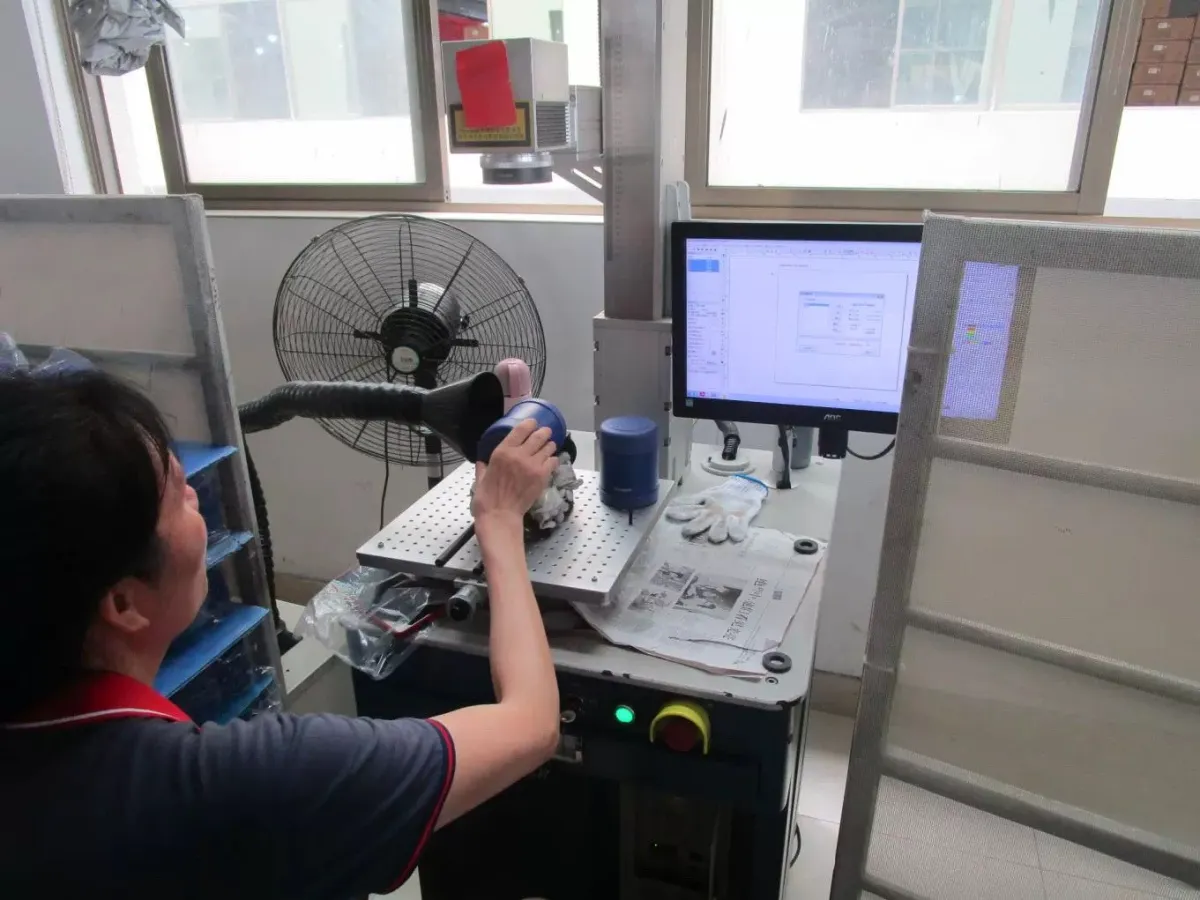
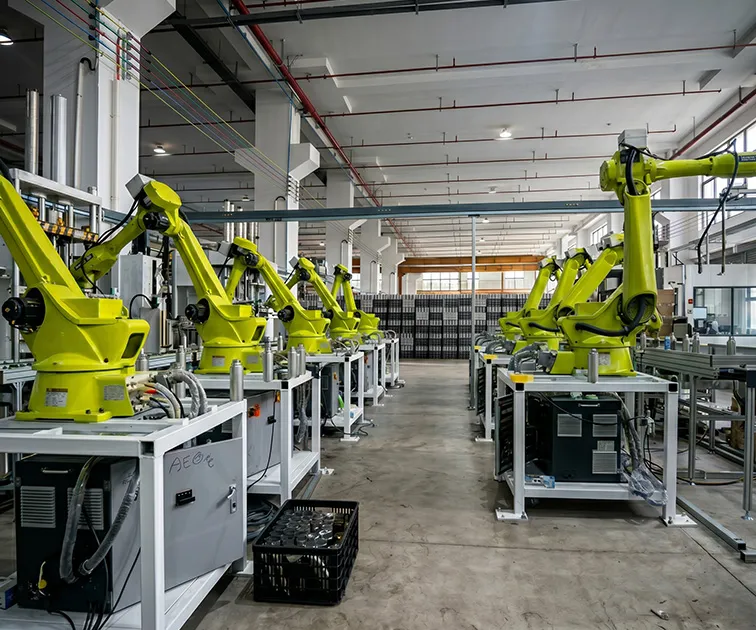
The equipment defines the controllable processing window. A colour achieved on one laser system cannot be assumed to transfer to another machine by copying a colour label or one headline power value. Pulse behaviour, frequency range, beam quality, spot size, scanner control, lens, focal range, calibration, software strategy, fixture, rotation, and atmosphere can all change the energy delivered to the surface.
Source and control range
The machine must support the pulse and scanning control needed for the intended colour and detail.
Lens, spot and focus
Focus position and beam behaviour must remain suitable across the marked area.
Scanner or rotary path
The cup and beam must follow a repeatable path without slippage or geometry error.
Recipe and calibration
Power, speed, frequency, spacing, passes and calibration work as a system, not isolated numbers.
Bluegreen's practical position is therefore equipment-first: determine what the available production system can reproduce on the actual cup, then approve a physical result. Do not promise a broad colour chart before sampling on that route.
For Bluegreen projects, this equipment-first conclusion comes from physical marked-sample comparison on the intended machine, lens, fixture, and titanium surface. It is not a universal recipe or a claim that one machine specification fits every cup.
Why can similar settings still produce a different colour?
Similar nominal settings can produce a different result when the machine, titanium surface, geometry, environment, or viewing conditions change. Published research identifies laser power or fluence, scanning speed, marked area, temperature, sample position, atmosphere, and observation angle as relevant to reproducibility and perceived colour.
- Machine, laser source, lens, calibration, focus position, and maintenance condition.
- Titanium grade, supplier batch, surface roughness, polishing or brushing direction, and existing oxide condition.
- Oil, fingerprints, dust, cleaning residue, or protective coating on the surface.
- Cup diameter, taper, curvature, fixture repeatability, and rotary alignment.
- Artwork line width, spacing, fill strategy, negative gaps, scale, and file quality.
- Inspection lighting, camera exposure, viewing angle, and background.
This is why a photograph sent through messaging software is not a sufficient colour standard. It can support discussion, but bulk inspection needs an agreed physical sample and controlled viewing method.
What do the finished titanium examples actually demonstrate?
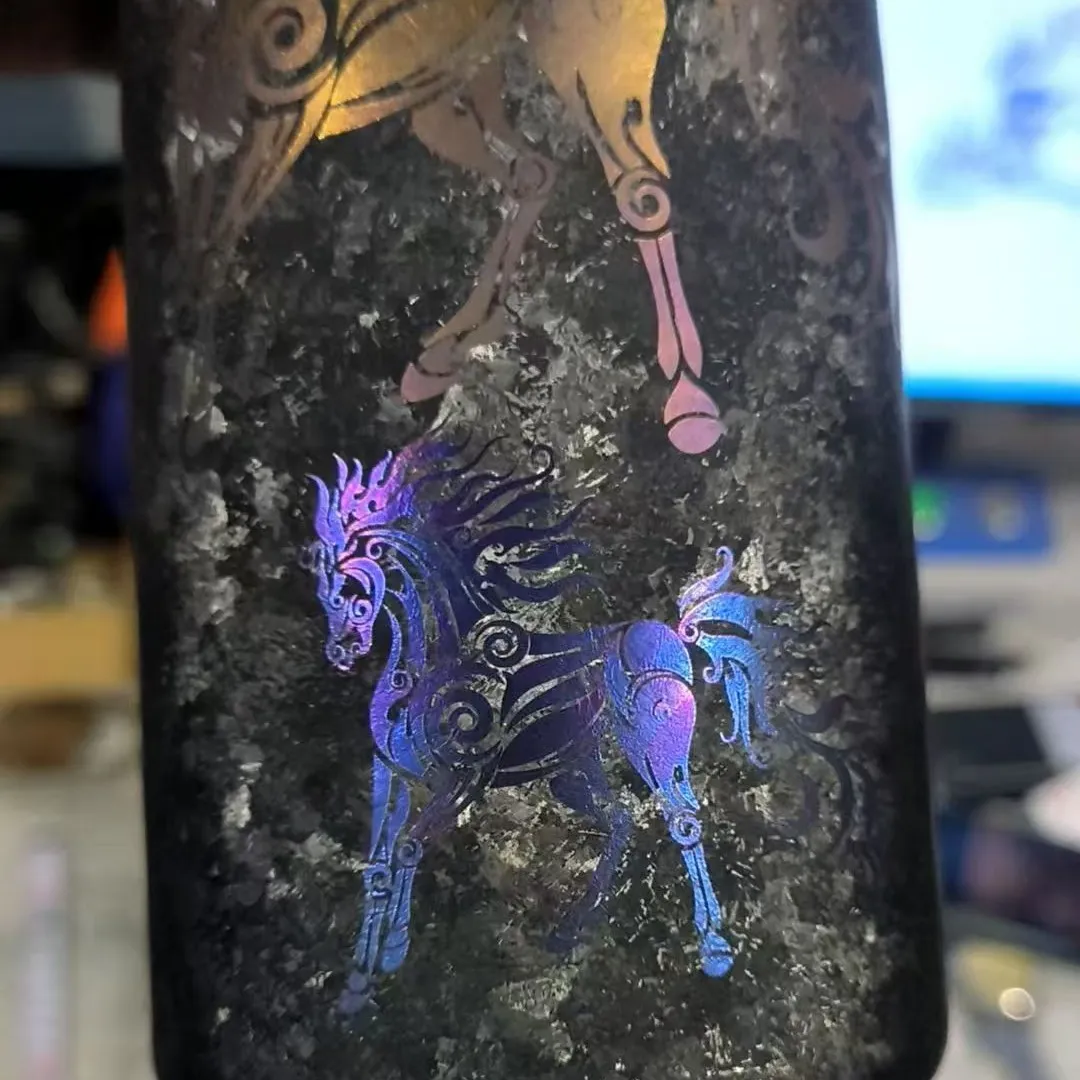
The Bluegreen-provided photographs demonstrate that gold, purple, blue, and fine coloured detail can be visible on titanium drinkware. They show feasible appearances, not a universal palette, durability claim, numerical tolerance, or transferable machine recipe.
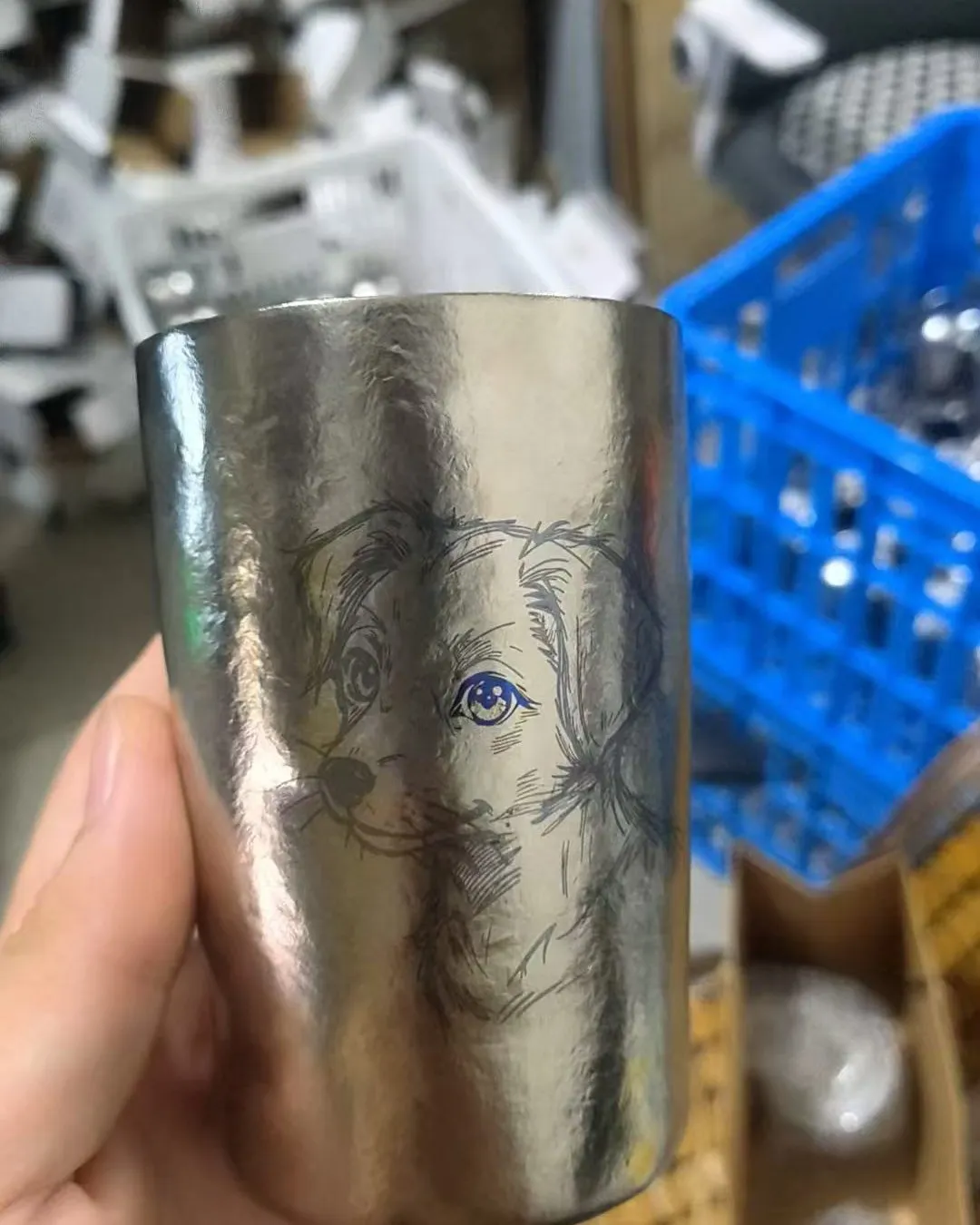
The fine-line example also shows why artwork construction matters. Narrow positive lines, small negative gaps, and tonal details may respond differently from broad filled areas. Approve representative fine detail and solid areas at final production size rather than judging only a reduced screen proof.
The approved colour belongs to a complete production condition: titanium surface, machine, optics, recipe, fixture, artwork, position, and physical sample.Bluegreen production-control principle
Can buyers specify a Pantone colour for titanium laser marking?
A Pantone reference may communicate a general visual direction, but it should not be treated as a guaranteed one-to-one laser colour target. Pantone systems describe standardized printed or coated colour appearances, while titanium laser colour is an optical surface effect that can shift with oxide condition, illumination, viewing angle, and equipment.
Use an actual titanium sample, define the acceptable appearance under agreed lighting and viewing conditions, and retain an approved master plus limit samples when colour variation is commercially important.
Buyers should distinguish deliberate multi-colour artwork from unintended within-colour variation. Define whether the requirement is an exact pattern, a general colour family, a centre-to-edge consistency limit, or an artistic colour-shift effect.
For projects that also include painted or powder-coated components, use the separate custom drinkware colour-sample approval guide; those finishes follow a different colour-control route.
When does a curved titanium cup need rotary laser marking?
Rotary marking is worth evaluating when the coloured design extends far enough around a cylindrical or tapered cup that a fixed setup cannot keep the required focus, geometry, colour, and line quality across the full area. The fixture rotates the workpiece, but adds alignment, diameter, start-position, taper, clearance, and repeatable-loading controls.
A rotary attachment does not automatically create more colours. It addresses motion and geometry. The laser system still needs the capability and process window required for the target titanium colour.
Large or highly curved designs should be evaluated with Bluegreen's guide to large laser logos on curved tumblers. That article covers the fixed-versus-rotary decision; this page focuses on titanium colour formation and repeatability.
What must be locked after the coloured sample is approved?
Lock the complete production condition, not only the artwork file. A sample made on a different machine, titanium finish, lens, fixture, or viewing setup may not represent the approved bulk result.
Cup model, titanium grade or approved source, finish, cleaning condition, logo position and dimensions.
Machine identity, laser source, lens, fixture, fixed or rotary route, recipe revision and calibration status.
Approved master, acceptable limits, lighting, viewing angle, inspection zones, sampling plan and change triggers.
Any change to the machine, lens, titanium batch, surface treatment, logo scale, fixture, recipe, or production route should trigger review. Follow the approved tumbler sample change-control guide rather than relying on an old photograph.
If production shows a systematic shift, stop and compare against the recorded condition before adjusting only power. A single-variable reaction can hide a focus, surface, calibration, or material problem.
What should buyers send for a titanium colour-laser quotation?
A reliable quotation needs the actual titanium product, artwork, appearance target, quantity, and approval method. The words ‘colour laser logo’ are not enough to determine feasibility, sampling time, cycle time, or cost.
MOQ is model-specific. Typical production lead time is approximately 7–35 days depending on product, quantity, customization, validation, artwork, equipment route, and the confirmed production plan; colour-laser sampling must be included before fixing a delivery date.
Use Bluegreen's custom drinkware RFQ checklist, then send the confirmed details through the custom drinkware development process.
Frequently asked questions
Why does laser marking create colour on titanium?
Laser heating changes the thin oxide layer on titanium. Light reflected at the oxide surface and the oxide–metal boundary interferes, so changes in oxide thickness and composition produce different visible colours without printed pigment.
Does the laser machine determine which titanium colours are possible?
The equipment defines the controllable colour and detail range. Laser source, pulse control, frequency range, beam and lens behaviour, focus, scanner, calibration, software, fixture, rotation, and atmosphere all influence what can be reproduced on the actual cup.
Can a factory copy one titanium colour by using the same power setting?
Do not rely on power alone. Speed, frequency, spacing, passes, focus, machine, lens, titanium grade, surface finish, cleaning, curvature, artwork, and atmosphere interact. Copying one displayed number across machines may not reproduce the approved colour. Buyers should approve a physical sample made on the intended production machine and record the complete process condition.
Can coloured titanium laser marking match a Pantone colour exactly?
A Pantone reference can communicate direction, but it should not be treated as a guaranteed one-to-one match. Titanium laser colour is an optical surface effect and can vary with equipment, oxide condition, illumination, viewing angle, and material surface. Use an approved titanium master and define acceptable appearance limits under agreed lighting instead of accepting by Pantone number alone.
Why can the same titanium laser colour look different in photos?
Camera exposure, white balance, screen calibration, lighting, viewing angle, fingerprints, and background can change the recorded or perceived colour. Use a physical approved sample and agreed inspection lighting for bulk acceptance.
When should a titanium cup use rotary laser marking?
Evaluate rotary marking when the design wraps far enough around a curved or tapered cup that a fixed setup cannot maintain the approved focus, geometry, colour, and detail. Rotary motion helps geometry but does not replace colour-capable laser equipment. Ask the supplier to test the final artwork at production size on the actual cup before approving the added setup and processing cost.
References and further reading
- Laser-Induced Color Marking of Titanium: A Modeling Study of the Interference Effect and the Impact of Protective Coating — Peer-reviewed explanation of titanium oxide-film interference and process factors affecting colour reproducibility and perception.
- Optical characterization of laser coloured titanium under different processing atmospheres — Peer-reviewed study linking process atmosphere, oxide thickness, fluence, reflectance and perceived colour on commercially pure titanium.
- Nanosecond pulsed laser irradiation of titanium: Oxide growth and effects on underlying metal — Peer-reviewed study relating laser-grown titanium oxide thickness to interference colours.
- Influence of Laser Colour Marking on the Corrosion Properties of Low Alloyed Ti — Peer-reviewed discussion of laser oxidation, titanium oxide phases and process parameters affecting colour formation.
Send the titanium cup, artwork, and colour range for a sample review
Share the cup model, titanium surface, diameter or taper, logo file and size, target colour family, quantity, viewing standard, and acceptable variation. Bluegreen can review equipment feasibility, fixed or rotary marking, and the physical sample plan.
This guide provides general B2B sourcing information, not legal or laboratory advice. Confirm market-specific requirements, test methods, and acceptance criteria with qualified professionals before production.


 English
 German
 French
 Russian
 Spanish
 Japanese
 Korean
 Portuguese
 Ukrainian
 Arabic
 Italian

Leave A Comment