
A Reproducible Insulation-Test Guide for B2B Tumbler Buyers
Why Insulated Tumbler Heat-Retention Results Differ: Forming Process, Vacuum Quality, and Test Conditions
A lower final temperature does not identify the cause. Buyers need to separate product construction, vacuum integrity, lid heat loss, sample variation, and the test method before comparing suppliers.
Short answer
Insulated-tumbler heat-retention results differ for two broad reasons: the tested products are not identical, or the test conditions are not identical. Body construction, vacuum integrity, thermal bridges, lid design, sample variation, starting temperature, fill volume, ambient conditions, probe placement, timing, and instrument accuracy can all move the reported result.
A fair supplier comparison therefore needs one written test contract and traceable samples. Record the product configuration and raw readings rather than comparing isolated claims such as ‘keeps hot for 12 hours.’
First separate product variation from test-method variation
A temperature result is an observation, not a root-cause diagnosis. If one tumbler finishes colder than another, the difference may come from the cup, the closure, the method, the measurement, or a combination of them.
Geometry, wall distribution, joining, vacuum integrity, thermal bridges, and sample variation.
Lid material, insulation, gasket, opening, straw path, fit, and assembly state.
Preconditioning, fill volume, starting temperature, ambient, duration, and handling.
Probe, placement, calibration status, resolution, reading schedule, and reporting.
BSI lists BS EN 12546-1:2000 as a current specification for domestic vacuum ware, including insulated flasks and jugs. A recognised standard can provide a common framework, but commercial supplier claims are not automatically comparable unless they use the same method, configuration, and reporting basis.
Do not rank suppliers from headline hours alone. Ask what product, lid, fill, starting temperature, ambient condition, duration, instrument, and pass rule produced the claim.
Where genuine product-performance differences enter the process
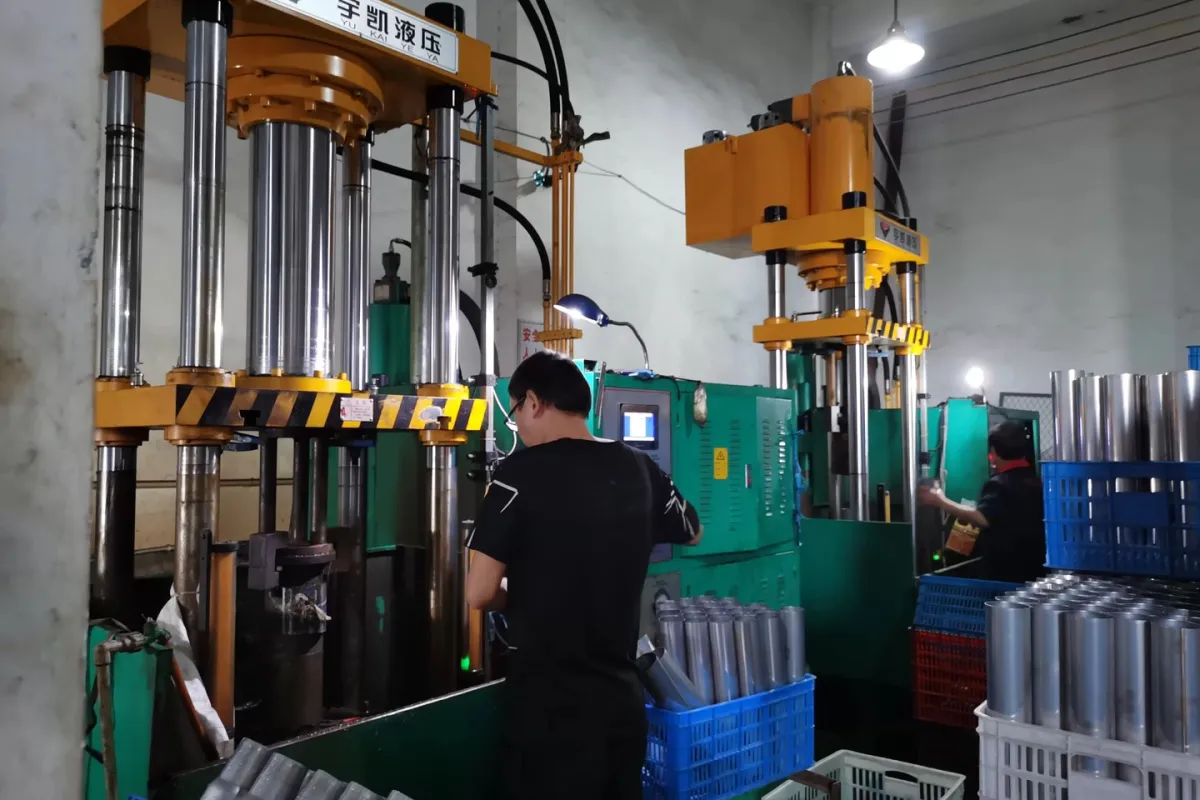
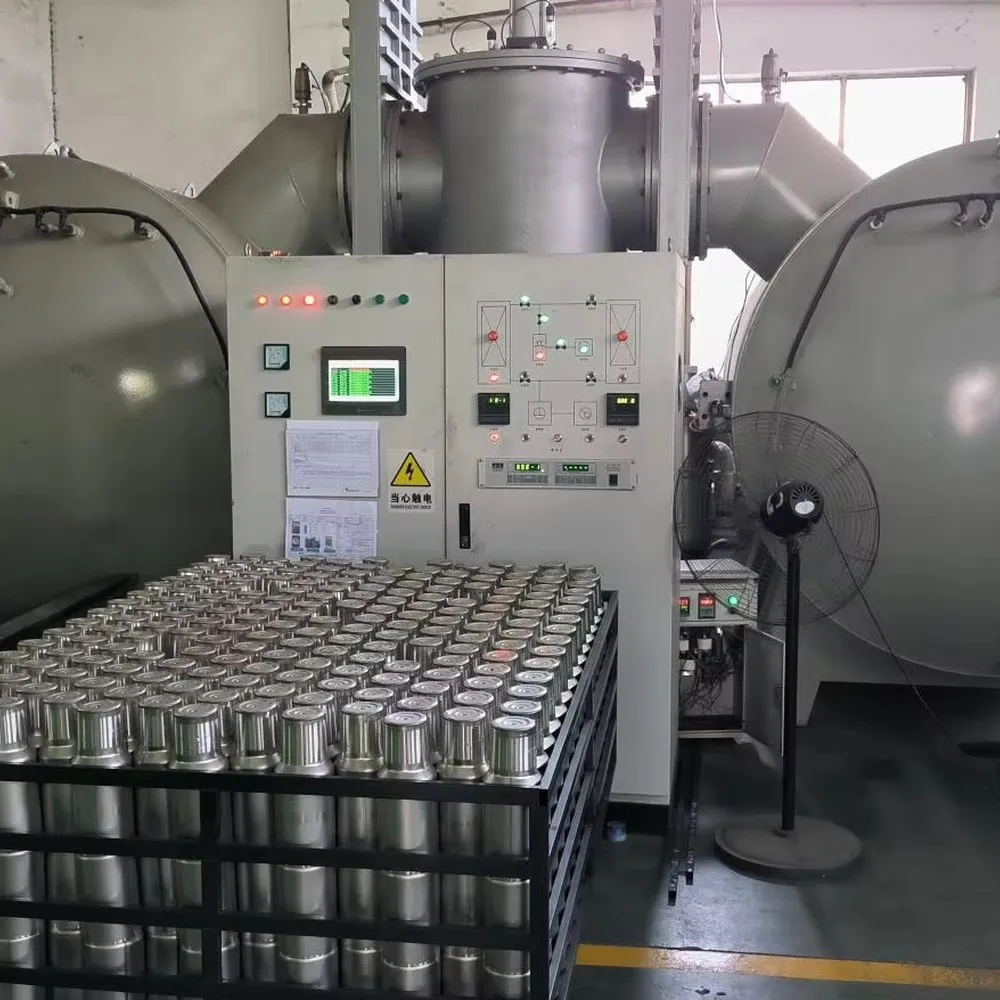
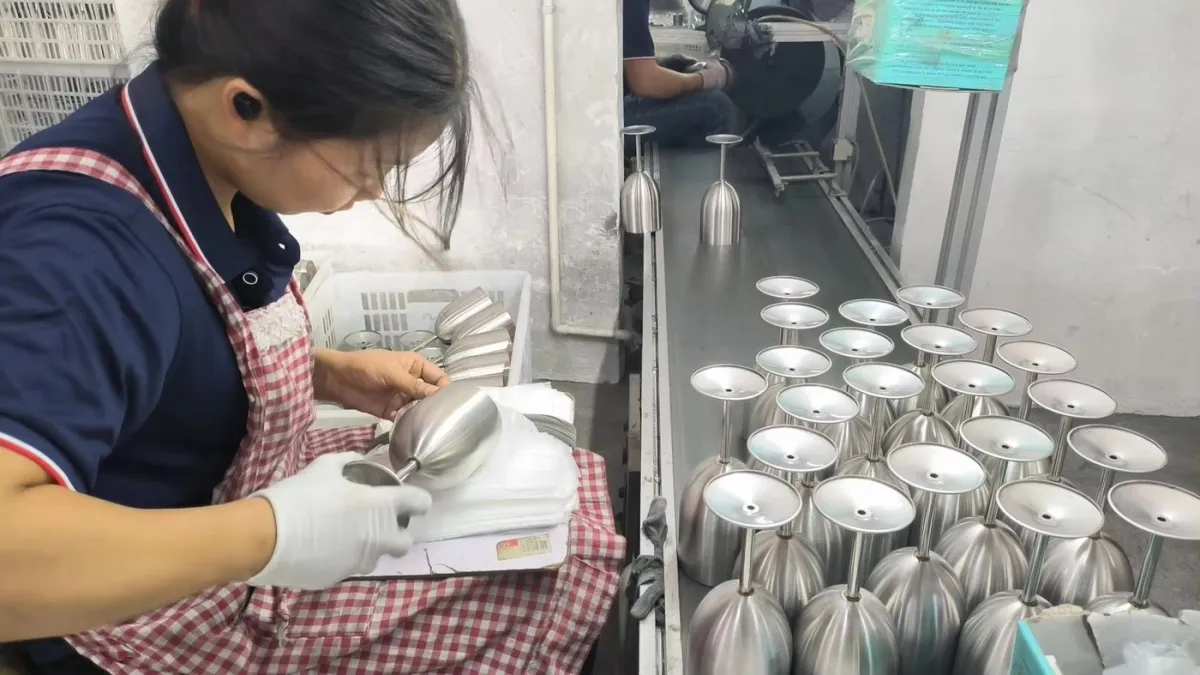
The finished vacuum vessel is the output of a chain: starting material, body geometry, forming, wall distribution, joining and base construction, cleaning, evacuation, sealing, heating, handling, and final assembly. A weakness at more than one point can appear as poorer insulation.
Product-side factors
- Body route, geometry, wall distribution, and weight
- Weld, base, evacuation port, joining, and sealing integrity
- Vacuum-process stability and post-process handling
- Lid, gasket, opening, straw, and metal thermal bridges
- Unit-to-unit variation within the production lot
Test-side factors
- Sample preconditioning and starting state
- Fill volume and actual starting liquid temperature
- Ambient temperature, air movement, and test location
- Lid state, probe path, opening frequency, and placement
- Instrument status, reading time, rounding, and acceptance logic
Stainless steel grade selection is important for corrosion resistance and intended use, but the grade label alone does not predict insulation. See the 304 versus 316 stainless steel guide for that separate sourcing decision.
How forming route can influence weight and vacuum consistency
In Bluegreen's production experience, under comparable product and process conditions, stretch-formed tumbler bodies usually achieve a better vacuum yield and more consistent insulation performance than hydroformed bodies. Hydroformed bodies are generally heavier. This is useful factory evidence, but it should not be converted into a universal claim that every stretch-formed cup outperforms every hydroformed cup.
Tooling condition, geometry, material, wall distribution, joining, evacuation, sealing, heating, handling, lid design, and test conditions can override a simple forming-route comparison. Buyers should therefore verify the selected model and lot, not approve a performance claim from the process name alone.
| Buyer question | Useful record | Weak shortcut |
|---|---|---|
| Which body route was used? | Model-specific production route and revision | A generic factory capability list |
| Did weight or wall distribution change? | Approved sample and bulk measurement plan | One sample weight without tolerance |
| Was vacuum performance stable? | Lot-linked yield, outlier, and disposition records | A best-case unit only |
| Were the test conditions identical? | One controlled protocol and raw readings | Two marketing claims from different methods |
For the manufacturing trade-offs themselves, read hydroforming versus stretch forming for stainless steel tumblers. The present guide focuses on measurement, comparison, and acceptance.
Use one ten-field test contract before comparing suppliers
The test definition should be agreed before sampling or quotation approval. It converts a vague performance claim into a repeatable comparison and helps the factory investigate outliers without guessing.
Model, revision, nominal capacity, body route, lid and gasket configuration.
Quantity, lot, selection method, sample IDs, controls, and retest rule.
Storage state, component assembly, cleaning, and equilibration before filling.
Water source, fill mass or volume, headspace, and spill or top-up rule.
Target, tolerance, when and where the first reading is taken.
Room temperature, tolerance, air movement, surface, and test location.
Closed, vented or open state, probe path, placement, sealing, and disturbance.
Duration, checkpoints, opening rules, timing tolerance, and raw-data capture.
ID, range, resolution, verification or calibration status, and uncertainty context.
Metric, limit, rounding, outliers, retest, disposition, approval, and attachments.
NIST explains that metrological traceability applies to a measurement result through a documented, unbroken chain of calibrations, each contributing to measurement uncertainty. For a buyer, the practical lesson is simple: name the instrument and preserve its verification or calibration record rather than writing only ‘tested with a thermometer.’
Keep every scheduled reading for every identified sample. A curve makes timing errors, outliers, lid effects, and a systematic method shift easier to recognise.
Treat the lid and probe arrangement as part of the tested product
Heat can leave through the mouth and closure even when the vacuum body is sound. A sealed lid, open mouth, straw opening, sliding closure, vent, and probe hole create different heat-loss paths. Results from these configurations should not be pooled without qualification.
The measurement setup can also change what it measures. A probe may hold a closure open, contact the wall, sit at a different depth, or require repeated lid opening. Record its path, depth, sealing arrangement, and whether each reading disturbs the product.
Read result patterns before naming a root cause
The pattern across samples is usually more informative than one pass or fail. Preserve raw data, sample identity, method records, and retained units before changing the process.
First check starting temperature, fill, ambient, timing, instrument, and lid configuration. A systematic method change can move the whole group.
Investigate sample identity, vacuum integrity, joining, sealing, damage, closure assembly, and lot position.
Review gasket fit, lid structure, openings, assembly, probe route, and component revision before blaming the vessel body.
The original gap may have come from incompatible test definitions rather than a meaningful product-performance difference.
Retain failed and passed samples until product records, method records, and any retest decision have been reviewed.
What evidence should accompany a supplier heat-retention result?
| Evidence layer | Minimum useful content |
|---|---|
| Product baseline | Model, revision, capacity basis, materials, body route, weight range, lid, gasket, straw, finish, and approved sample |
| Manufacturing traceability | Production lot, relevant forming, joining, vacuum-process and closure-component records, checks, and deviations |
| Test protocol | Preconditioning, fill, start, ambient, lid and probe, duration, schedule, instrument, acceptance, and retest rules |
| Raw results | Identified samples, every scheduled reading, calculations, photos, anomalies, and retained controls |
| Disposition | Pass or fail logic, outlier review, retest basis, corrective action, approval authority, and release decision |
The Hong Kong Consumer Council reported that its physical tests on tumblers and travel mugs referred to BS EN 12546-1 and assessed areas including capacity, insulation, leakage, and stability. That illustrates why product performance should be evaluated through defined attributes and methods rather than one broad label.
Connect insulation evidence with the broader custom drinkware pre-shipment quality-control plan. The inspection plan should state which records are reviewed, which units are tested, and how a failed or marginal result is handled.
How Bluegreen supports a model-specific insulation decision
Bluegreen manufactures stainless steel, plastic, and titanium drinkware through its own production processes. For an insulated stainless steel programme, the technical review starts with intended use, model, capacity, body construction, lid system, target market, performance claim, sample plan, packaging, quantity, and deadline.
Bluegreen can discuss stretch-formed and hydroformed options for applicable models and help define a comparable heat-retention test. The recommendation remains model-specific: forming experience is combined with the actual structure, vacuum process, closure, production controls, and buyer-approved method.
Browse the vacuum flask range or send the test definition through Bluegreen's custom drinkware development process. MOQ is model-specific, and typical production lead time is approximately 7–35 days depending on product, quantity, customization, validation, packaging, and the confirmed production plan.
Frequently asked questions
Why do insulated tumblers with the same capacity show different heat-retention results?
They may differ in body geometry, forming route, wall distribution, joining, vacuum integrity, thermal bridges, lid construction, gasket fit, or sample variation. Results also change when fill volume, starting temperature, ambient conditions, probe placement, timing, or instruments differ.
Does a stretch-formed tumbler always insulate better than a hydroformed tumbler?
No universal rule should be made. In Bluegreen's production experience, stretch-formed bodies usually show better vacuum yield and insulation consistency under comparable conditions, while hydroformed bodies are generally heavier. Tooling, design, joining, vacuum processing, closure, and testing can change the outcome.
Does a heavier tumbler automatically retain heat longer?
No. Weight may reflect geometry, wall distribution, base construction, or process route, but it does not prove vacuum integrity or closure performance. Compare the approved structure and controlled test results rather than using weight as a stand-alone insulation score.
Should a tumbler heat-retention test be run with the lid installed?
Use the configuration defined by the intended claim and protocol. A sealed production lid, an open mouth, a straw opening, and a probe hole create different heat-loss paths. The report must identify the lid, gasket, opening state, and probe arrangement.
What should a supplier heat-retention report include?
Include product and lot identity, body and closure configuration, sample plan, preconditioning, fill, starting temperature, ambient conditions, lid and probe setup, measurement schedule, instrument status, raw readings, calculations, acceptance criteria, anomalies, disposition, and approval.
Can one approved sample prove bulk-order insulation performance?
No. It establishes a useful reference, but bulk assurance also needs lot-linked sampling, controlled testing, raw data, outlier rules, retained samples, traceability, and a defined response when results fall outside the agreed acceptance limit.
References and further reading
- BS EN 12546-1:2000 — Materials and articles in contact with foodstuffs: insulated containers for domestic use; specification for vacuum ware — Current BSI listing and scope for vacuum ware, insulated flasks, and jugs.
- DIN EN 12546-1:2000-09 — Official German standards record for EN 12546-1.
- Metrological Traceability: Frequently Asked Questions and NIST Policy — Primary guidance on traceability, calibration chains, documentation, and measurement uncertainty.
- Thermometer Calibration and Metrological Traceability — Primary guidance on thermometer measurement traceability and calibration context.
- Tumblers and Travel Mugs Test — 2024 consumer test summary referring to BS EN 12546-1 for physical performance assessment.
Send one test definition before comparing supplier results
Share the model, capacity method, body structure, lid and gasket, target market, intended beverage, performance claim, protocol, sample plan, acceptance criteria, quantity, packaging, and deadline. Bluegreen can review the product and test variables as one sourcing decision.
This guide provides general B2B sourcing information, not legal or laboratory advice. Confirm market-specific requirements, test methods, and acceptance criteria with qualified professionals before production.


 English
 German
 French
 Russian
 Spanish
 Japanese
 Korean
 Portuguese
 Ukrainian
 Arabic
 Italian

Leave A Comment