
Factory Airflow-Diagnosis Guide for B2B Drinkware Buyers
Why Custom Straw Lids Become Hard to Drink From in Bulk Production: Mold Problems Behind Poor Airflow
When a straw lid whistles, requires excessive suction, or performs differently across one bulk lot, the restriction may start in the molded airflow path—not in the straw itself.
Short answer
Custom straw lids usually become hard to drink from when the air entering the cup or the liquid moving through the straw is restricted. In bulk production, mold wear, flash, incomplete vent formation, distorted valve seats, narrowed connector bores, warpage, mold-half mismatch, and cavity variation can change those small passages even when the lid looks normal.
Do not approve airflow by appearance or by one golden sample alone. Define the complete flow path, preserve mold and cavity traceability, test identified production assemblies with one repeatable method, and diagnose the restricted feature before changing the straw or ordering a blanket rework.
The symptom happens at the mouth, but the cause can begin in the mold
Drinking through a sealed straw lid requires two coordinated routes. Liquid must travel upward through the straw while replacement air enters the cup through a vent or valve path. Restrict either route and the user may feel excessive resistance, intermittent flow, or a whistle.
A vent opening and any valve feature admit replacement air.
The molded seat and flexible valve must align and open as designed.
The straw connector and straw provide an unobstructed liquid route.
The assembled lid maintains both paths under the agreed use condition.
Air-side restriction
Inspect the vent opening, flash, valve slit or membrane, valve seat, alignment, and any molded channel connected to the air inlet.
Liquid-side restriction
Inspect the straw connector bore, molded transition, straw fit, kinks, assembly depth, and blockage along the liquid route.
Patent documents for straw-equipped drinking vessels illustrate the underlying pressure-balance principle: a secondary opening or vent admits air while liquid leaves through the straw. They demonstrate a design principle, not a universal Bluegreen specification or an acceptance dimension for every lid.
A hard-to-drink lid is not automatically a defective straw. Check the air path and liquid path separately before changing components.
Seven mold-related failures behind poor airflow
In Bluegreen's factory experience, mold condition and molding consistency are the main starting points when an approved straw lid becomes difficult to drink from in bulk. Several small deviations can also combine in one assembly.
Mold wear
Wear at a pin, core, shutoff, seat, or thread-related feature can change a small functional passage.
Flash or molding residue
Thin excess plastic or residue can partially block a vent, valve movement, or connector opening.
Incomplete or undersized vent
A vent feature may not reproduce fully or consistently across the production run.
Valve-seat distortion
A deformed or mismatched seat can pinch, misalign, or preload a silicone valve incorrectly.
Reduced connector bore
Dimensional drift inside the straw connector can narrow the liquid path without an obvious exterior defect.
Lid warpage or mold-half mismatch
Warped geometry or poor matching between mold halves can shift connected flow features out of alignment.
Cavity-to-cavity variation
One cavity can produce a different functional result from another while mixed parts appear visually alike.
ISO 20457 explains why molded-plastic dimensional control must account for material, part and tool design, molding conditions, shrinkage, and warpage. For a straw lid, the buyer and factory should identify which small features are functionally tied to airflow and define product-specific controls around them.
Do not diagnose mold wear from suction feel alone. Confirm the symptom, compare identified parts, inspect and measure the relevant feature, review the tool and process record, then retest after correction.
Why a straw lid may whistle as well as feel restrictive
A whistle can be a useful clue that air is passing through a narrow or irregular route. Flash, an incompletely formed opening, a misaligned valve, or deformation around the vent may reduce the effective passage and create unstable airflow.
Record whether the lid is hard to drink from immediately or only at certain fill levels, orientations, or assembly positions. Compare the same lid on a controlled cup and the same cup with a known-good lid. That simple separation helps show whether the problem travels with the lid assembly.
Why an approved sample can pass while bulk lids feel different
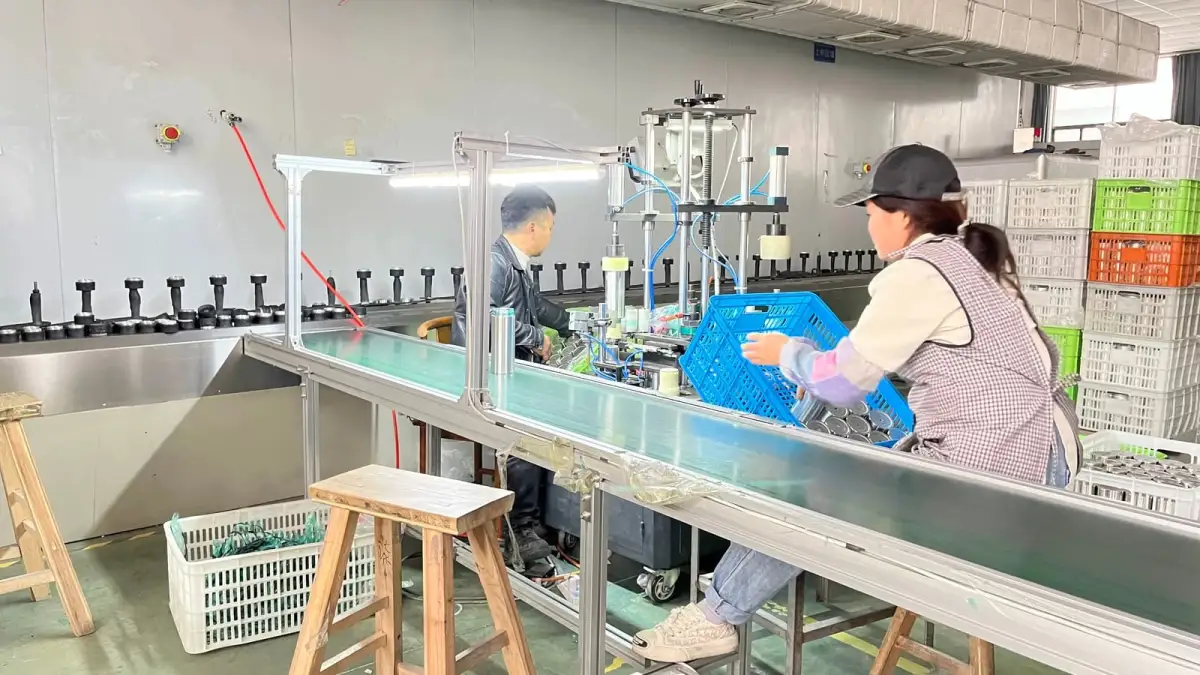
A passed sample proves that one identified assembly worked under one test condition. It does not automatically lock the production mold, cavity, molding settings, material lot, silicone-valve revision, straw connector, assembly method, or cup-lid combination used later.
The risk is highest when the approved sample has no traceable connection to the production inputs. Preserve an approved functional sample and link it to drawings, component revisions, mold identity, cavity information where available, material, test method, and result.
Bluegreen's approved tumbler sample change-control guide explains which changes should trigger review or revalidation before bulk production.
One approved lid is a reference point. A controlled production system is what keeps the next thousands of lids drinking the same way.Bluegreen factory-control principle
Give each production result a mold-and-cavity fingerprint
When passing and restrictive lids are mixed together, visual inspection may not reveal the pattern. Lot, mold, and cavity traceability can turn an intermittent complaint into a testable production hypothesis.
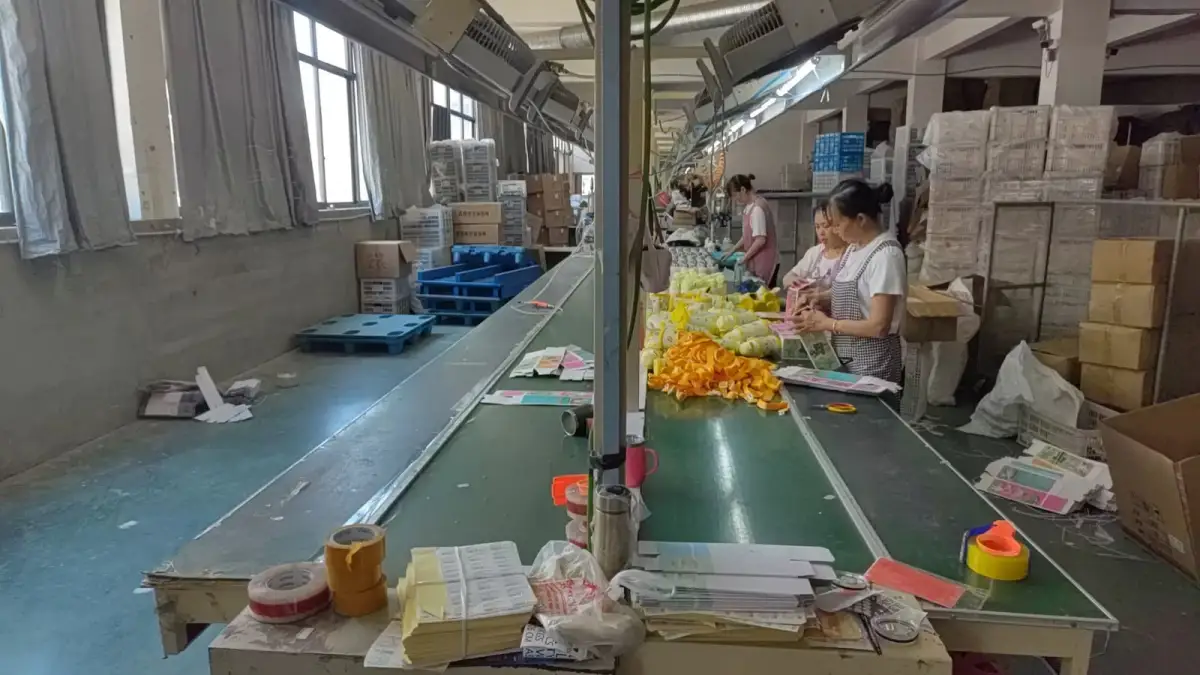
Traceability does not require every article to carry visible consumer-facing data. The factory needs an internal method proportionate to risk so suspect components can be separated and compared instead of treated as one anonymous bulk lot.
Use a controlled flow test instead of a subjective sip
“Easy to drink from” is useful customer language but incomplete as a factory acceptance rule. The buyer and supplier should agree on a repeatable method that represents the intended product without inventing universal values for every straw lid.
| Test field | What to define | Why it matters |
|---|---|---|
| Test assembly | Cup, lid, valve, connector, straw, component revisions, and assembly condition | Prevents mixed or substituted components from obscuring the result |
| Liquid condition | Liquid type, fill level, and temperature appropriate to the intended use | Changes the pressure and flow condition being compared |
| Product position | Lid orientation, straw placement, and cup position | Keeps vent and liquid routes consistent between samples |
| Flow method | Agreed instrumented or controlled-use method, duration, repetitions, and observation | Replaces an unrepeatable personal impression |
| Sampling | Stage, lot or cavity coverage where justified, sample size, and acceptance rule | Connects the test to bulk-production risk |
| Failure record | Resistance, intermittent flow, whistle, blockage location, and sample identity | Creates evidence for tool and component diagnosis |
Do not publish or copy a universal suction force, flow rate, vent diameter, or test duration without a validated product-specific basis. The correct threshold depends on the lid architecture, intended user, straw and valve design, beverage, and agreed market requirement.
Include the final method in the pre-shipment custom drinkware quality plan so samples and bulk units are judged under the same conditions.
Diagnose the molded feature before changing the straw
A replacement straw may change the symptom while leaving the real restriction inside the lid. Preserve known-good and failed assemblies, then work from the complete product toward the smallest verified feature.
- Reproduce the complaint with the agreed assembly and flow-test method; label every sample.
- Separate the air path from the liquid path and record whether resistance or whistling follows the lid.
- Cross-match known-good and production lids, valves, straws, and cups while changing one identified component at a time.
- Inspect vent openings, flash, valve seats, connector bores, warpage, and mold-parting features under appropriate magnification.
- Compare critical dimensions and review mold, cavity, material, and molding records.
- Correct the verified input, isolate the affected population, and repeat the same test on traceable production assemblies.
Tool maintenance, process adjustment, sorting, component replacement, or remake may each be appropriate in a different case. Select the action only after the cause and affected population are supported by evidence.
If the issue is liquid leakage rather than poor drinking flow, use the separate bulk tumbler-lid leakage guide; the sealing path and the drinking-flow path are related but not the same diagnosis.
What B2B buyers should add to the RFQ and quality plan
A useful RFQ should describe the intended drinking experience and the production controls that keep it repeatable. “Straw lid with good flow” is not enough for engineering, inspection, or dispute resolution.
MOQ is model-specific. Typical production lead time is approximately 7–35 days depending on the product, quantity, customization, tooling or validation needs, and the confirmed production plan. A mold correction or revalidation step can change this range and should be agreed before shipment commitments are made.
How Bluegreen reviews a difficult-to-drink straw lid
Bluegreen manufactures stainless steel, plastic, and titanium drinkware through its own production processes. For a straw-lid airflow review, the team starts with the exact symptom and complete production assembly, then separates the air and liquid routes before reviewing the mold and component records.
Send the cup and lid model, intended beverage and user, target market, component revisions, approved reference, production lot, mold or cavity information where available, quantity, videos of the symptom, failed and passed samples, and any existing test method. That evidence allows the factory to investigate the relevant feature instead of guessing from appearance.
Use Bluegreen's custom drinkware development process to review a straw-lid design, sample plan, tooling change, or bulk-flow requirement before the purchase order is finalized.
Frequently asked questions
Why is my custom straw lid hard to drink from?
The air-inlet path or liquid path may be restricted. In bulk production, investigate mold wear, flash, incomplete vent formation, valve-seat distortion, a narrowed straw-connector bore, warpage, mold-half mismatch, and cavity variation, while also checking assembly, straw, contamination, and the test condition.
Can a vent hole that is too small make a straw lid difficult to use?
Yes. An undersized, partially formed, blocked, or misaligned air path may not admit replacement air as intended. The required feature and acceptance value are product-specific and should be verified against the approved design and controlled flow test.
Why do only some lids in the same bulk lot whistle?
Intermittent whistling can be associated with a narrow or irregular airflow path. Compare the affected lids by lot, mold, and cavity; inspect flash, vent formation, valve alignment, and warpage; and confirm the cause with the same controlled test.
How can mold wear affect straw-lid airflow?
Wear at a small core, pin, seat, shutoff, or related mold feature can change a vent, valve interface, or connector passage. Hard suction alone does not prove wear, so compare parts, dimensions, cavity results, and tool records before correction.
Why did the approved straw-lid sample pass but bulk production fail?
The bulk lids may differ in mold condition, cavity, process, material, valve or connector revision, assembly, or test condition. Link the approved functional sample to controlled production inputs and define which changes require revalidation.
Should the factory replace the straw when airflow is poor?
Not automatically. First identify whether the restriction is in the air path or liquid path and whether the symptom follows the lid, straw, valve, or cup. Replacing the straw will not correct a blocked vent or distorted molded seat.
References and further reading
- ISO 20457:2026 — Plastics moulded parts — Tolerances and acceptance conditions — Official scope and guidance on geometrical and dimensional tolerances for molded plastic parts.
- Drinking vessel with straw and air vent — Primary patent document illustrating an air-vent opening used to equalize pressure in a straw-equipped drinking vessel; cited as a design principle, not a universal specification.
- Drink container closure with venting arrangement — Primary patent document discussing the pressure-balancing role of a vent and the functional tradeoff created by vent size; not a Bluegreen validation standard.
Send the complete straw-lid assembly for an airflow review
Share the cup and lid model, component revisions, intended beverage and user, quantity, approved sample, production lot, mold or cavity information, failed and passed samples, symptom videos, and agreed flow-test method. Bluegreen can review the air and liquid paths before bulk production or corrective action.
This guide provides general B2B sourcing information, not legal or laboratory advice. Confirm market-specific requirements, test methods, and acceptance criteria with qualified professionals before production.


 English
 German
 French
 Russian
 Spanish
 Japanese
 Korean
 Portuguese
 Ukrainian
 Arabic
 Italian

Leave A Comment