
Ocean-Shipping Moisture Guide for Drinkware Importers
Why Stainless Steel Tumblers Develop Rust Spots After Ocean Shipping: Container Condensation, Packaging Moisture, and Surface Contamination
When tumblers look acceptable before loading but show isolated rust spots after arrival, the useful question is not simply whether stainless steel can rust. It is where moisture entered the shipment, what held it near the product, and which surface condition reacted first.
Short answer
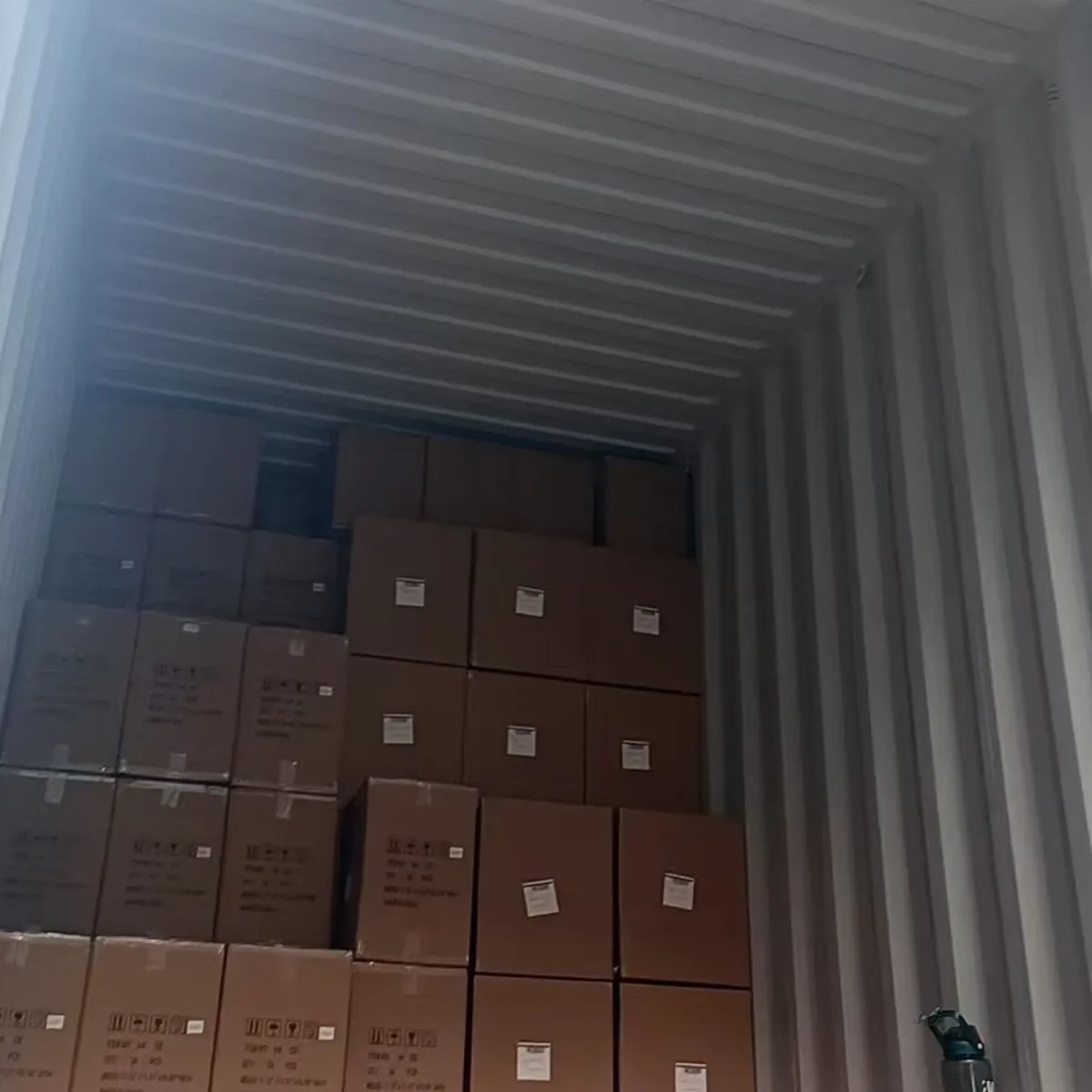
In Bluegreen's export experience, ocean-shipping moisture is the main trigger to investigate when new stainless steel tumblers arrive with rust spots. Humid loading conditions, moisture in cartons or pallets, residual water, container ingress, and temperature-driven condensation can keep water close to the product during a long voyage.
Moisture is only one layer of the diagnosis. Embedded free iron, fabrication debris, cleaning residue, damaged surfaces, salts, or an unsuitable material–environment combination can determine which cups stain first. Preserve arrival evidence before cleaning or sorting, then trace both the moisture path and the affected surface condition.
Why rust spots may appear only after the ocean voyage
Rust spots can emerge after arrival because a closed container creates a long exposure period between factory inspection and warehouse opening. Moisture introduced before or during loading can remain inside packaging, while changing temperatures alter the relative humidity and can produce condensation on colder surfaces.
Product, bags, cartons, pallets, and air each carry a moisture condition.
Moisture and humid air become part of the sealed cargo environment.
Route, weather, day–night changes, and stowage alter container temperatures.
Vapour may be absorbed, released, or condensed on packaging and surfaces.
Moisture exposes susceptible contamination or a less resistant local surface.
The IMO/ILO/UNECE CTU Code is a non-mandatory global code of practice for packing cargo transport units. Its informative material describes condensation damage as damage associated with internal humidity, especially during long container voyages, and identifies cargo, timber, pallets, porous packaging, rain exposure, and hot humid packing conditions as possible moisture sources.
Bluegreen treats ocean-shipping moisture as the leading trigger to investigate in this scenario. That does not mean every post-shipment rust spot has the same mechanism or that seawater entered the container.
Separate the moisture trigger from the surface that reacts
A useful root-cause analysis separates two layers. The shipment must provide an exposure condition, while the product surface determines how it responds. If the investigation looks at only one layer, it may incorrectly blame the steel grade or the container.
Where did the moisture come from?
Humid loading air, incompletely dried products, damp cartons or pallets, rain, container leakage, or condensation can place water near the cup.
What reacted first?
Free-iron contamination, salts, residues, scratches, heat-affected areas, surface finish, or the material–environment combination can change local behaviour.
This explains why only part of a shipment may show spots. Different carton positions experience different microclimates, packaging may trap moisture unevenly, and individual surfaces may not carry the same contamination or damage. A mixed pattern is evidence to map—not proof that one factor is irrelevant.
Where moisture inside a closed container can come from
Moisture inside an ocean container does not have to come from visible seawater. It may enter with the cargo system before the doors close or appear as temperature and humidity change during transport.
Residual water
Water left after washing, rinsing, leak checks, or cleaning can remain in threads, seams, lids, accessories, or packaging if drying is incomplete.
Damp cartons, pallets, or dunnage
Paper, board, timber, and other porous materials can introduce and exchange moisture inside the closed unit.
Humid air or weather exposure
Hot humid loading conditions or packing during rain can add moisture before the container is sealed.
Condensation or water ingress
Temperature changes can produce condensation; damaged seals, doors, roof, or walls can create a separate ingress path.
Do not use the word “condensation” as a substitute for evidence. Arrival inspection should distinguish droplets or staining on the roof and walls, damp cartons or pallets, wet product bags, tide marks, localized ingress, and moisture found only inside a product assembly.
The CTU Code's loss-prevention material also cautions that desiccants cannot compensate for a hygroscopic cargo system that is not sufficiently dry. For drinkware, the practical lesson is to control product and packaging moisture first, then design any desiccant plan around the actual route, container, materials, duration, loading conditions, and verification method—not a universal bag count.
Why stainless steel can show rust-coloured spots after moisture exposure
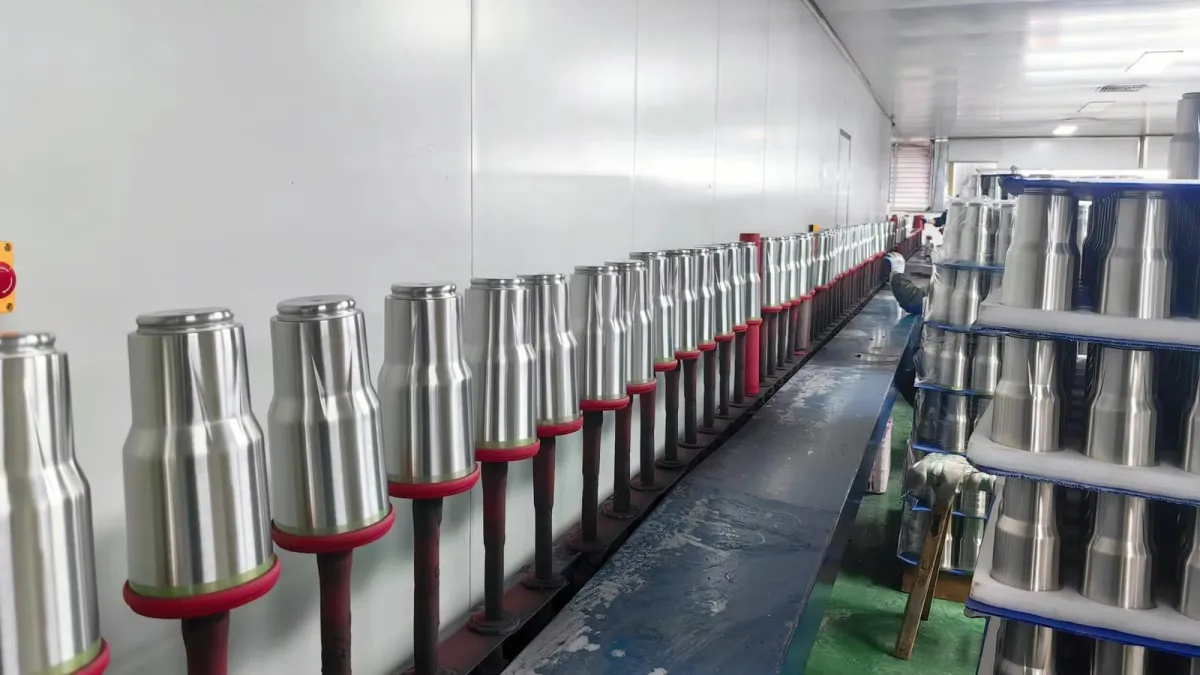
Stainless steel is corrosion-resistant, not immune to every stain or environment. One important manufacturing mechanism is free iron transferred to the stainless surface by carbon-steel dust, tools, brushes, fixtures, transport hardware, or contaminated abrasive media. The deposited iron can corrode when exposed to moist air or water and leave a rust-coloured mark.
The Nickel Institute's fabrication and post-fabrication cleanup guide specifically notes that embedded iron can rust in moist air or when wetted. World Stainless guidance likewise emphasizes clean storage, separation from carbon-steel contamination, and removal of fabrication residues to preserve corrosion resistance.
Other possibilities include salts or cleaning residue retained on the surface, mechanically damaged areas, heat tint or fabrication effects, and an unsuitable alloy or finish for the actual exposure. Their probability depends on where the spot appears—interior, exterior, weld, rim, base, scratch, contact point, or beneath packaging—and on what the laboratory or controlled cleaning reveals.
Do not identify 201, 304, or 316 stainless steel from a photograph of a brown spot. Material verification requires appropriate records or testing, while the location and behaviour of the spot guide which test is worth performing. The separate 304 vs 316 stainless steel water bottle guide explains why grade selection and component-level records should be handled separately from visual assumptions.
Why only some cartons or tumblers in the shipment may be affected
A partial pattern is common enough to deserve structured mapping. Cargo near a wall, roof, door, floor, damp pallet, or airflow path may experience a different moisture condition from cargo in the centre. Inside one carton, bags, dividers, orientation, and contact points can also create different local environments.
| Observed pattern | Useful next check | Do not conclude yet |
|---|---|---|
| Mostly top-layer cartons | Container roof, overhead droplets, fleece or cover condition, carton-top staining, and loading map | That all damage is automatically container rain |
| Mostly door-side or wall-side cartons | Door seals, wall condition, localized water marks, ventilation or temperature exposure, and carton faces | That the product material is proven defective |
| Mostly pallet-bottom cartons | Floor, pallet moisture, ground contact, wrapping, and upward moisture pattern | That the water came from the product |
| Random cups across cartons | Shared process, cleaning, tooling, packaging contact, component lot, and surface-location pattern | That transport position is irrelevant |
| Spots repeat at one cup feature | Tooling, weld, scratch, contact point, trapped water, residue, and component material | That the whole cup uses the wrong grade |
Record both affected and unaffected controls from the same shipment. A clean cup from the neighboring carton can be as informative as the failed sample because it helps separate a shipment-wide input from a position, component, or surface-specific factor.
What importers should document before cleaning, sorting, or filing a claim
The first hours after opening can determine whether the investigation remains evidence-based. Photograph the shipment before moving cartons, and preserve representative passed and failed samples before wiping or chemical cleaning changes the surface.
If the claim is commercially significant, agree on sampling and analytical steps before destructive cleaning. Depending on the question, these may include controlled cleaning, microscopy, surface contamination checks, material verification, or corrosion evaluation by a qualified laboratory. Not every brown mark requires every test.
Use Bluegreen's pre-shipment quality-control guide to connect arrival evidence with the records captured before dispatch.
Prevent post-shipment rust with three control barriers
The practical objective is not to promise that one dry bag or one visual inspection eliminates every risk. It is to reduce moisture entering the system, reduce the surface's susceptibility, and preserve enough traceability to detect a failed barrier.
For the packaging specification itself, use the custom drinkware packaging guide. That article covers unit packs, cartons and route validation; this article adds the moisture-and-surface failure chain specific to rust spots discovered after ocean shipment.
What to add to the RFQ, purchase order, and shipment quality plan
“Standard export packaging” does not define moisture control. Buyers should state the route and the records required, while the factory should identify assumptions that affect cost, loading, testing, and lead time.
| Control area | Fields to confirm |
|---|---|
| Product and surface | Model, component material, finish, decoration, exposed stainless areas, surface standard, and approved reference |
| Final process | Cleaning, rinsing, drying, cooling, inspection stage, handling protection, and packaging delay |
| Packaging | Bag, insert, carton, pallet, dunnage, wrapping, liner or cover, storage condition, and material acceptance |
| Container and route | Loading mode, container inspection, season and route, transshipment, expected storage, moisture-control plan, and loading records |
| Inspection | Sampling, visible surface criteria, packaging condition, product dryness checks where applicable, and evidence format |
| Claim protocol | Notification timing, quarantine, photographs, location map, sample retention, cleaning restrictions, laboratory authority, and disposition |
MOQ remains model-specific. Typical production lead time is approximately 7–35 days depending on product, quantity, customization, packaging, validation, and the confirmed production plan. Additional drying verification, specialized packaging, testing, or claim investigation can affect the schedule and should be reviewed for the individual order.
How Bluegreen reviews rust spots found after ocean shipping
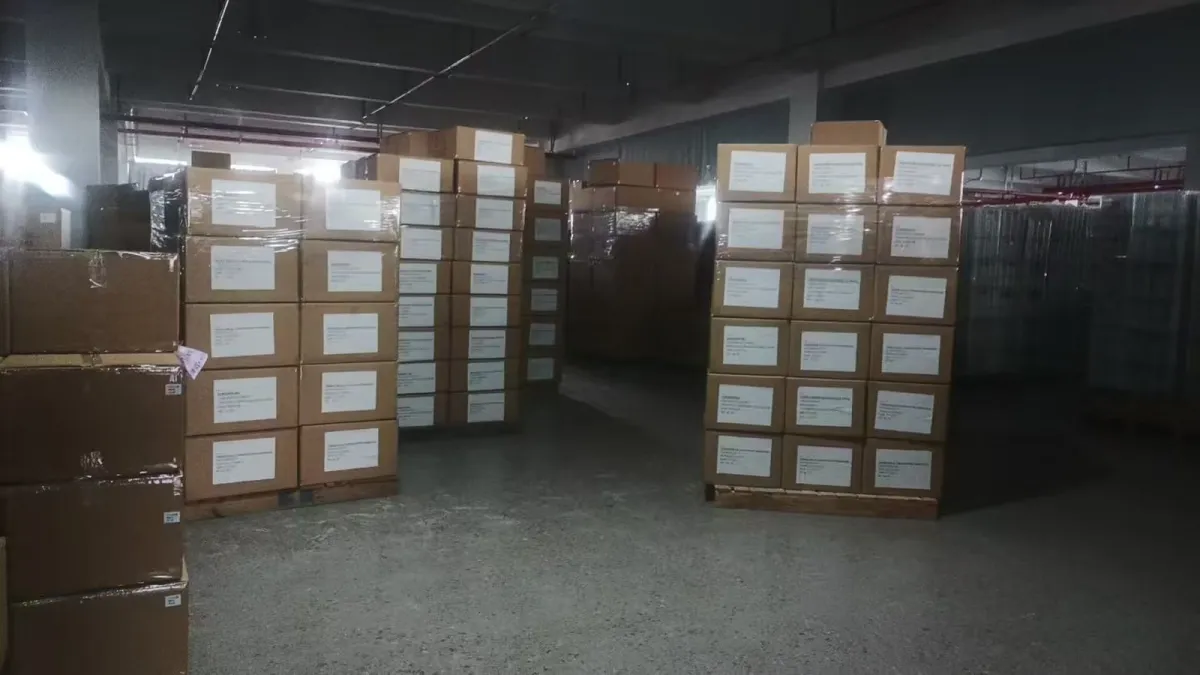
Bluegreen manufactures stainless steel, plastic, and titanium drinkware through its own production processes and has identified ocean-shipping moisture as the main trigger to investigate in this post-arrival scenario. The review starts with evidence from both ends of the voyage rather than a photograph of one cleaned cup.
Send the product and component specification, finish, quantity, destination and route, packing and loading records, container and seal number, carton-position map, arrival photos, affected and unaffected samples, discovery timeline, and any cleaning already performed. That information helps separate moisture exposure, packaging position, surface contamination, material questions, and post-arrival storage.
Use Bluegreen's custom drinkware development process to review a surface, packaging, container-loading, or shipment-quality requirement before the purchase order is finalized.
Frequently asked questions
Why did new stainless steel tumblers rust during ocean shipping?
In Bluegreen's export experience, moisture exposure during ocean shipping is the main trigger to investigate. Humid loading air, residual water, damp packaging, container condensation, or water ingress can keep moisture near the product, while surface contamination, salts, damage, finish, or material conditions determine where spots appear.
Does a rust spot prove that the tumbler is not 304 stainless steel?
No. A photograph of a rust-coloured spot cannot establish the alloy grade. Embedded free iron and other surface contamination can rust when wetted, including on stainless steel. Use traceable material records or appropriate testing when grade verification is required.
What is container condensation or container rain?
Temperature changes can cause water vapour inside a closed cargo unit to condense on colder container, packaging, or cargo surfaces. The term describes a possible moisture mechanism; arrival evidence is still needed to distinguish condensation from leakage, rain exposure, damp materials, or residual product water.
Why are only some cartons affected by rust spots?
Carton position, roof or wall proximity, pallet moisture, wrapping, air movement, packaging contact, product orientation, process lot, and surface contamination can create different microclimates or susceptibilities. Map both affected and unaffected cartons before sorting.
Will adding more desiccant prevent drinkware rust during shipping?
Not by itself. Desiccants have limited capacity and cannot replace sufficiently dry products, cartons, pallets, and dunnage. The type and amount must be designed for the actual container, route, materials, duration, loading conditions, and verification method.
What evidence should an importer collect when rust is found?
Before cleaning or moving the cargo, record the container and seal, roof, walls and floor, carton and pallet condition, loading positions, wet or dry packaging, product lot and spot locations, timeline, and affected and unaffected samples. Preserve pre-shipment and loading records for comparison.
References and further reading
- IMO/ILO/UNECE Code of Practice for Packing of Cargo Transport Units (CTU Code) — Official page for the non-mandatory global code of practice and its language versions.
- CTU Code informative material — Introduction to condensation damage — Official informative material on internal humidity, long voyages, corrosion and common sources of moisture in cargo transport units.
- CTU Code informative material — Loss prevention measures — Official guidance on dry cargo conditions, condensation risk and the limitations of desiccants when cargo or associated materials are not sufficiently dry.
- Fabrication and Post-Fabrication Cleanup of Stainless Steels — Primary technical guidance on embedded iron contamination and rust staining when contaminated stainless surfaces are exposed to moist air or water.
- Cleaning and Descaling Stainless Steels — Technical guidance on free-iron contamination, fabrication residues, clean storage and appropriate cleaning practices.
Send the shipment evidence before the rust pattern is disturbed
Share the product and surface specification, destination and route, packing and loading records, container and seal, arrival photos, carton-position map, affected and unaffected samples, and discovery timeline. Bluegreen can help review the moisture path and the surface evidence before corrective action is selected.
This guide provides general B2B sourcing information, not legal or laboratory advice. Confirm market-specific requirements, test methods, and acceptance criteria with qualified professionals before production.



 English
 German
 French
 Russian
 Spanish
 Japanese
 Korean
 Portuguese
 Ukrainian
 Arabic
 Italian

Leave A Comment