
Internal-Rattle Diagnosis for Insulated Tumbler Buyers
Why Insulated Tumblers Rattle When Shaken: Loose Getter Pellets and Bulk Quality Risk
A rattle is not automatically a vacuum failure, but a confirmed loose getter pellet is an uncontrolled internal component. Bluegreen classifies the affected tumbler as nonconforming rather than releasing it because one insulation check still passes.
Short answer
When an insulated tumbler still rattles after its lid, straw, handle accessories, and removable base parts have been eliminated as sound sources, a loose getter pellet inside the sealed vacuum space is an important manufacturing cause to investigate.
Bluegreen rejects a unit once getter-pellet detachment is confirmed—even if a separate heat-retention check appears acceptable at that moment. The defect is an uncontrolled loose internal component and a deviation from the approved construction, not evidence that can be cancelled by one passing endpoint.
Is every insulated-tumbler rattle caused by a loose getter pellet?
No. A rattle is a symptom, not a component diagnosis. The sound may come from removable lid parts, an external base component, or something inside the sealed double wall. Diagnose the location before assigning the cause.
Slider, straw, valve, gasket, handle hardware, loose packaging, or another removable component.
Base cap, foot pad, decorative disc, adhesive interface, or another part outside the sealed cavity.
Getter pellet, weld debris, or another internal particle that remains after external sources are removed.
In Bluegreen's production experience, a detached getter pellet is the main cause to investigate when the sound persists inside a lidless insulated body and follows the body as its orientation changes. Confirmation still requires controlled elimination of other sources.
A passing appearance or one acceptable heat-retention result does not reverse this disposition.
What does a getter pellet do inside a vacuum-insulated tumbler?
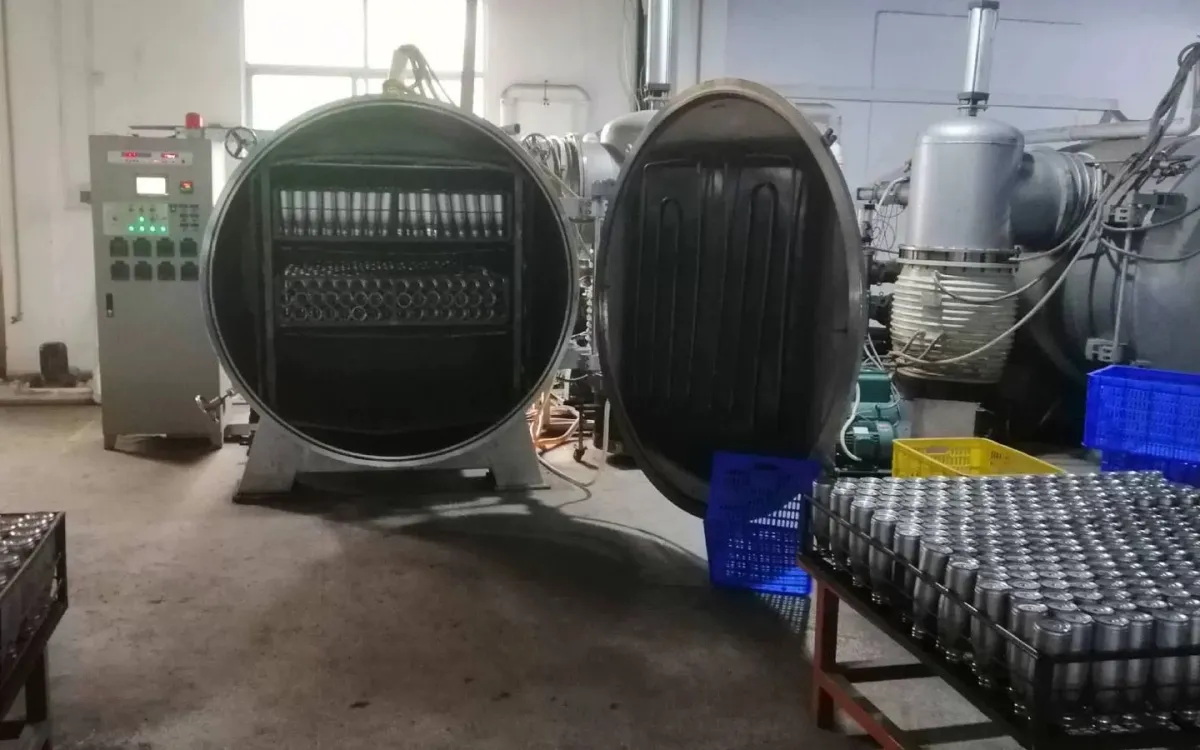
A getter is material placed in the evacuated space between the inner and outer vessels. Its role is to capture residual gas molecules after evacuation and sealing, helping the enclosed space reach or maintain the intended vacuum condition.
A published vacuum-flask patent describes getter material in the enclosed vacuum space, explains that it can react with or adsorb residual gases, and notes that a getter pellet may be activated by heating under vacuum. A separate stainless steel vacuum-bottle patent describes non-evaporable getter material arranged between the inner and outer bottles.
The first patent also describes mechanical retention by a clip or partial enclosure as one possible construction. Actual retention designs vary. Buyers should therefore confirm the approved product construction and process records rather than assuming every factory attaches the pellet in the same way.
The appropriate English technical term is getter pellet or getter tablet. ‘Getter bead’ may be understood informally, but ‘suction bead’ is not the recommended translation.
Why reject the tumbler if its heat-retention test still passes?
Because the insulation result and the loose-component defect answer different questions. A heat-retention test reports performance under one product configuration and one set of conditions. It does not prove that an internal component is secured or that the unit matches the approved construction.
A retained part has moved from its intended position inside a permanently sealed cavity.
A buyer or end user can hear the loose part whenever the tumbler is moved or shaken.
An acceptable endpoint today does not prove correct retention or remove uncertainty about the unit.
The sealed double-wall construction prevents a simple non-destructive production repair.
Bluegreen therefore treats confirmed getter-pellet detachment as a product nonconformity in its own right. The unit is rejected rather than released on the argument that it currently keeps water hot.
This position should not be misread as a claim that every loose pellet causes immediate vacuum failure. It is a conservative manufacturing and customer-acceptance decision based on the confirmed loose internal part.
How can a factory distinguish a getter rattle from lid or base noise?
Use an elimination sequence that preserves the evidence. Avoid cutting open the first sample before its identity, sound pattern, product configuration, and lot connection have been recorded.
Identify model, sample, lot, orientation, sound character, frequency, handling history, and who detected it.
Take off the lid, straw, loose accessories, removable handle parts, packaging, base pad, or cap where the design allows.
Use the same gentle movement and orientations on the suspect unit and a known-good reference; do not create new impact damage.
Check whether the sound follows the lid, external base, or sealed body. Record audio or video if it helps preserve the evidence.
Quarantine the unit, connect it to production records, retain comparison samples, and decide whether expanded screening or controlled teardown is required.
Do not confuse an internal rattle with a liquid leak. The insulated water-bottle leakage guide covers lid, gasket, thread, and sealing failures that require different evidence.
Where should the factory investigate after getter-pellet detachment is confirmed?
Start with the approved retention design and the affected production route. The investigation should follow evidence from installation through vacuum processing, downstream handling, inspection, packing, and transport—not jump directly to one assumed operator error.
| Investigation point | Records or evidence to review | Question to answer |
|---|---|---|
| Pellet and retention feature | Approved drawing, component lot, holder or attachment specification, incoming check | Was the correct component installed and retained as designed? |
| Installation process | Fixture, setting, work instruction, maintenance, operator record, in-process check | Could the retention operation vary across stations or time? |
| Vacuum and thermal cycle | Product route, chamber load, cycle record, deviations, equipment status | Did the confirmed process remain within its approved window? |
| Downstream handling | Transfer, impact points, base assembly, coating, packing, rework, movement | Could later handling dislodge a marginally retained component? |
| Lot containment | Sample IDs, station, shift, time window, adjacent lots, retained samples | How far should isolation and additional screening extend? |
These are investigation branches, not pre-declared causes. The actual root cause should be supported by retained samples, process records, comparison units, and—when justified—a controlled destructive analysis.
If the pellet, holder, attachment method, tooling, fixture, thermal cycle, or vacuum route changes, reassess the rattle risk before approving bulk production.
How should internal rattling be controlled before bulk shipment?
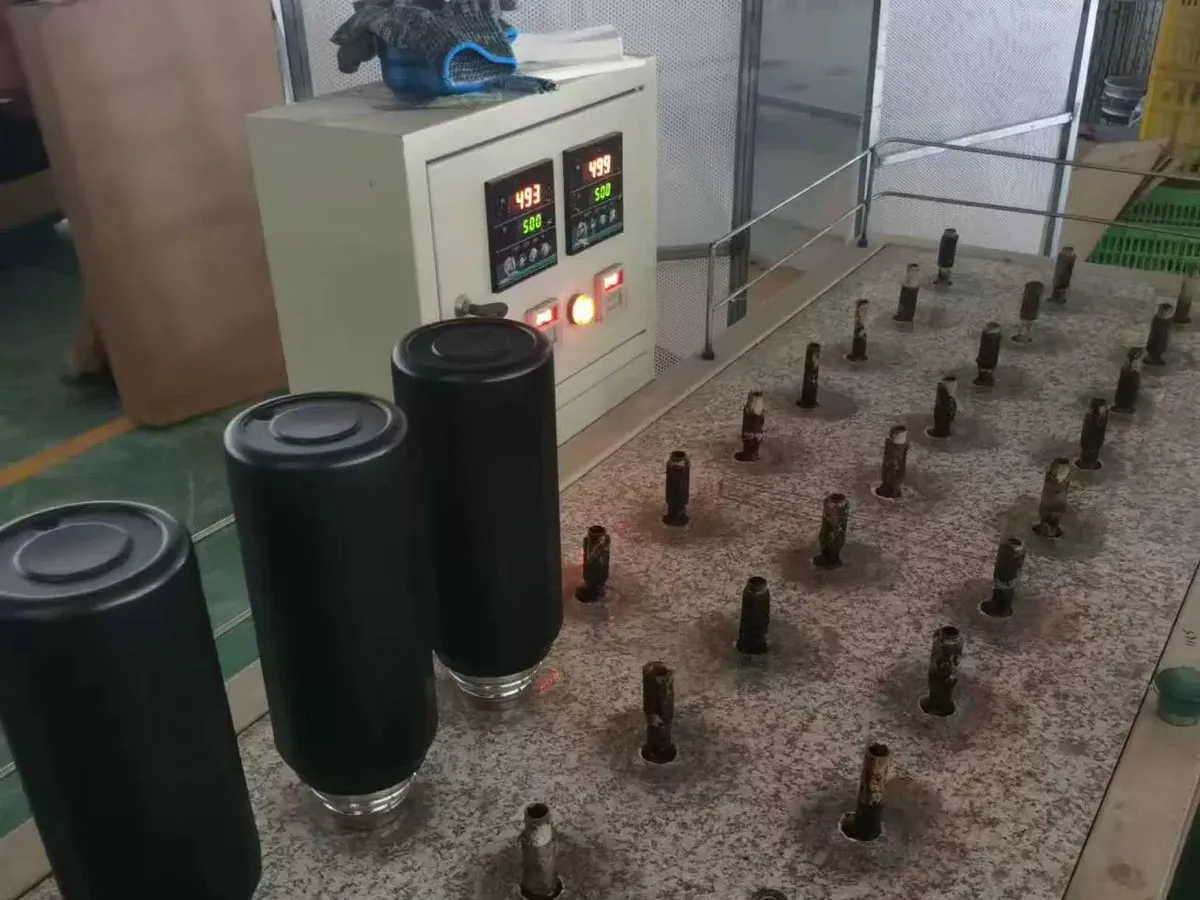
Define the check before inspection begins. The specification should state which product configuration is checked, which removable parts are excluded, how the body is moved, what counts as an abnormal internal sound, how suspect units are confirmed, and what disposition follows.
| Control field | What to define |
|---|---|
| Reference condition | Approved sample, product revision, assembled and disassembled configurations, acceptable normal component sounds |
| Check method | Orientation, movement, handling force, environment, operator guidance, comparison unit, and repeat rule |
| Screening scope | Sampling plan, escalation trigger, expanded check, or 100% screening when justified by lot risk and agreement |
| Confirmation | External-part elimination, sound localisation, retained sample, audio/video record, and teardown authority |
| Disposition | Isolate suspect units; reject confirmed getter-pellet detachment; document lot containment and corrective action |
A buyer should not assume that a generic pre-shipment inspection automatically includes an internal-rattle check. Add it to the product-specific control plan and define the response when one suspect unit is found.
Coordinate it with the broader custom drinkware pre-shipment quality-control plan, including sample identity, lot traceability, retained evidence, escalation, and release authority.
What wording can buyers add to an RFQ or purchase order?
Use a measurable construction and sound requirement instead of writing only ‘no defects.’ The exact screening scope remains model- and order-specific, but the disposition for confirmed getter detachment should be explicit.
When checked under the agreed orientation and handling method with removable lid and accessory sound sources excluded, the sealed insulated body shall not exhibit an abnormal internal loose-particle rattle. Units with confirmed getter-pellet detachment shall be classified as nonconforming, isolated, and excluded from shipment. Lot containment and additional screening shall follow the agreed control plan.
Also define the product revision, reference sample, check configuration, method, sampling or screening rule, escalation trigger, reporting, retained samples, and approval authority. Translate the clause into the factory's working language where necessary so inspection and purchasing use the same definition.
Do not combine this clause with an unqualified promise that every rattle equals vacuum failure. Keep sound acceptance and insulation acceptance as related but separate controls.
How Bluegreen handles a suspected getter-pellet rattle
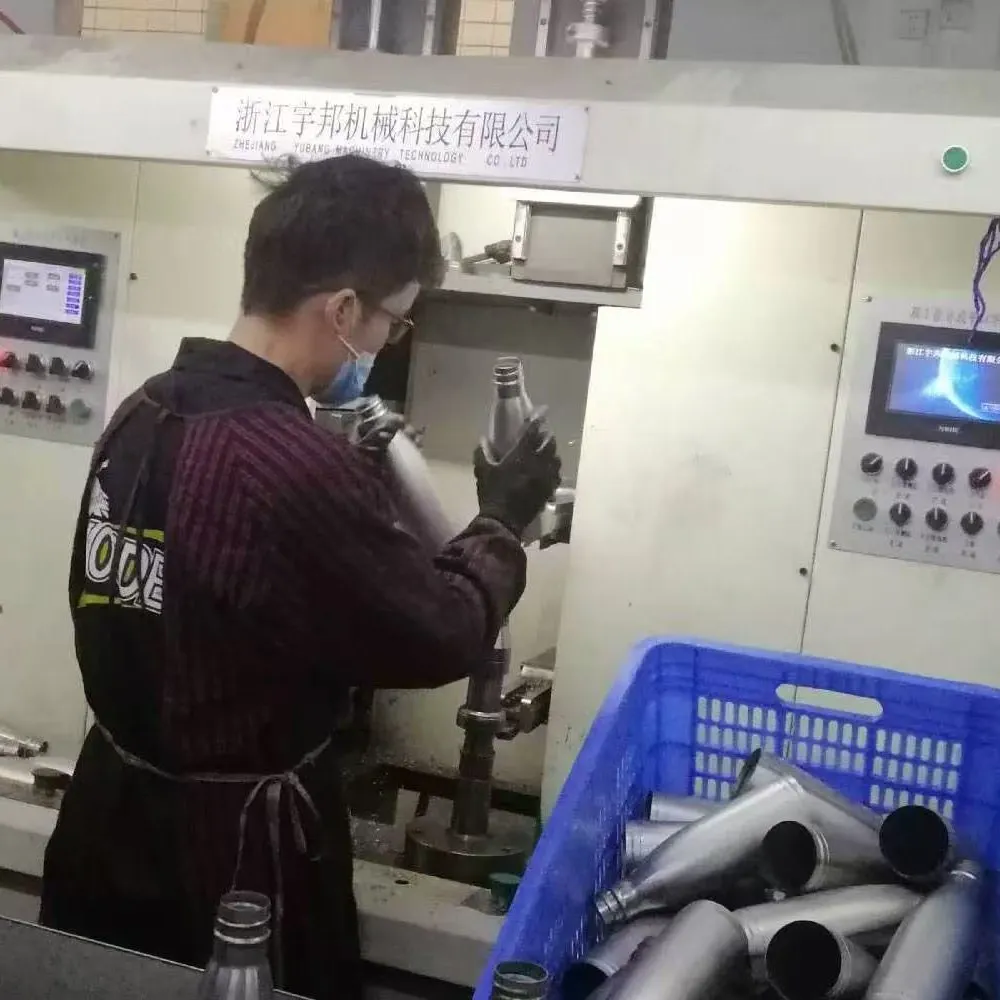
Bluegreen manufactures stainless steel, plastic, and titanium drinkware through its own production processes. For an insulated stainless steel order, the review connects the body construction, getter retention, vacuum route, downstream handling, sample identity, sound check, insulation evidence, and lot disposition.
When a getter pellet is confirmed loose, Bluegreen rejects the affected unit. The investigation then determines the containment scope and whether adjacent production requires additional checking; the scope is not presented as one universal rule for every model and order.
Buyers can review applicable models in the vacuum flask range or submit the model, capacity, structure, quantity, target market, complaint video, affected proportion, lot information, packaging, and deadline through the custom drinkware development process. MOQ is model-specific, and typical production lead time is approximately 7–35 days depending on product, quantity, customization, validation, packaging, and the confirmed production plan.
Frequently asked questions
What is the loose object rattling inside my insulated tumbler?
After lid, straw, handle accessories, packaging, and removable base parts are eliminated, one important manufacturing cause is a detached getter pellet inside the sealed vacuum space. Weld debris or another internal particle may sound similar, so the component should not be named from sound alone.
What does a getter pellet do in a vacuum flask?
Getter material captures residual gas molecules inside the evacuated space between the inner and outer vessels. Depending on the design, it may be activated by heat and mechanically retained by a holder, clip, or partial enclosure.
Does a rattling getter pellet mean the vacuum has already failed?
Not necessarily. A loose pellet does not by itself prove immediate vacuum loss, and the tumbler may still pass one heat-retention test. Bluegreen nevertheless rejects the unit because it contains a confirmed loose internal component and no longer matches the controlled construction.
Can a loose getter pellet be repaired without opening the tumbler?
Normally it cannot simply be resecured because it is inside the sealed double-wall cavity. Any proposed recovery route would need technical validation and must not be assumed equivalent to normal production.
How can inspectors distinguish lid noise from an internal rattle?
Label and remove the lid, straw, loose accessories, and removable external base parts, then compare the suspect body with a known-good unit using the same gentle movement and orientations. Record the sound and preserve the sample before teardown.
Should every tumbler receive a shake or rattle check?
The inspection scope should be agreed by model, order risk, process history, and buyer requirement. If a defect is found, expanded or 100% screening may be appropriate, but this article does not invent one universal sampling plan for every order.
References and further reading
- Vacuum Flask with Tin Phosphorus Oxide Sealing Glass — Primary patent source describing getter material, getter pellets, residual-gas removal, activation under vacuum, and possible mechanical retention.
- Method of Making a Stainless Steel Vacuum Bottle with a Silver Mirrored Surface — Primary patent source describing non-evaporable getter material arranged in the evacuated space between inner and outer stainless steel bottles.
- Device for Maintaining a Vacuum in a Thermally Insulating Jacket — Primary patent source describing getter pellets and their role in maintaining a vacuum-insulated space.
- BS EN 12546-1:2000 — Specification for Vacuum Ware — Current BSI listing for domestic vacuum ware, insulated flasks, and jugs.
Send the rattle evidence before deciding the lot disposition
Share the tumbler model, capacity, body construction, lot, affected quantity, video, sound location, removable components already checked, insulation result, packaging, and deadline. Bluegreen can review the evidence and define a model-specific confirmation and containment plan.
This guide provides general B2B sourcing information, not legal or laboratory advice. Confirm market-specific requirements, test methods, and acceptance criteria with qualified professionals before production.


 English
 German
 French
 Russian
 Spanish
 Japanese
 Korean
 Portuguese
 Ukrainian
 Arabic
 Italian

Leave A Comment